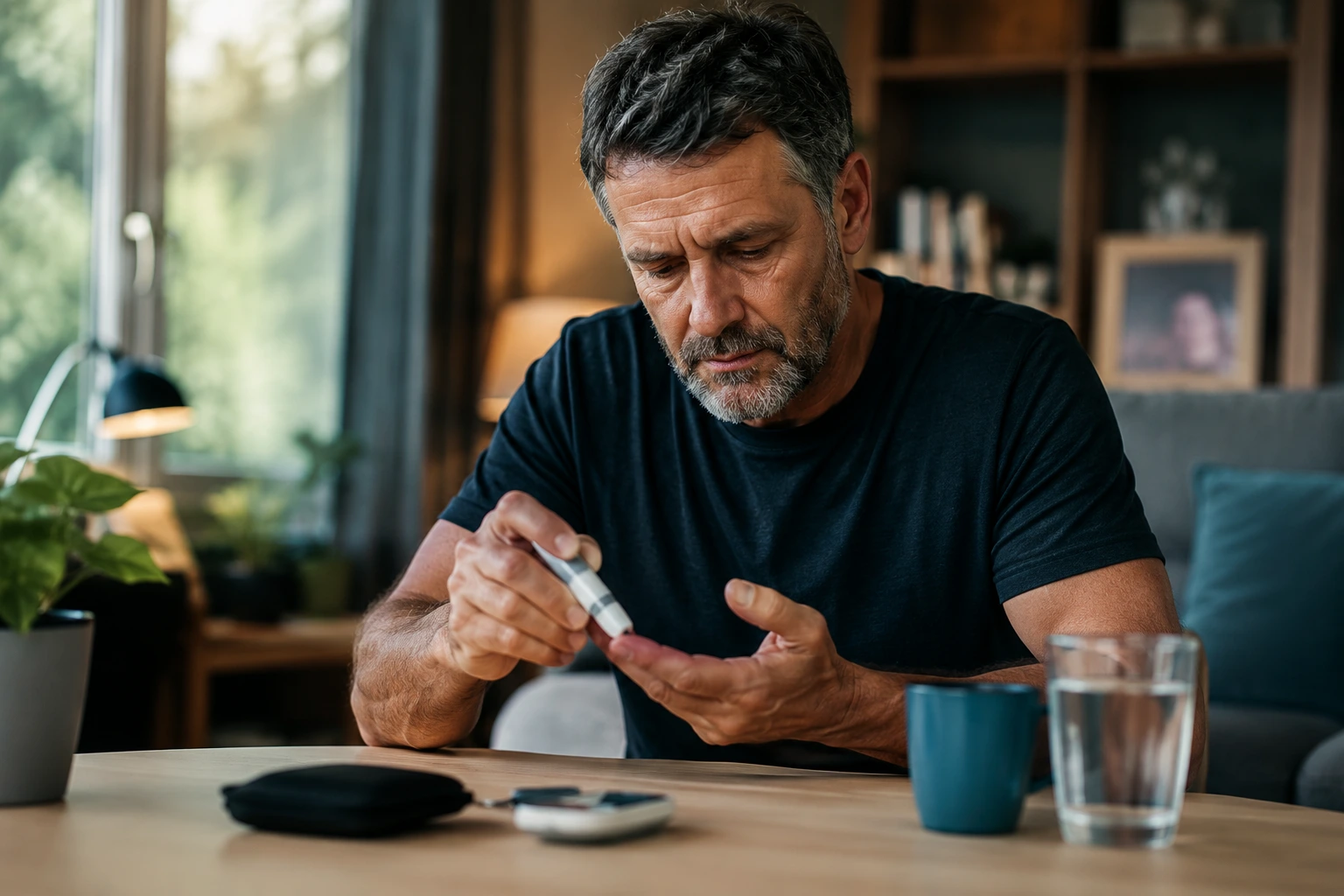
You’re staring at your biological age test results and they don’t match how you feel, or worse, they’re telling you you’re aging faster than you should be, and now you’re wondering if anything you do actually matters.
Understanding the biological age test
Before you can improve your biological age, you need to understand what you’re actually measuring. Think of it this way: your chronological age is just a number, the years that have passed since you were born. But your biological age is the real story your body is telling. It’s determined by how your cells are functioning, how efficiently your organs are working, and how well your body is maintaining itself at a cellular level. Consider Sarah, a 45-year-old woman who exercises regularly, sleeps well, and manages stress effectively. Her biological age might test at 38. Meanwhile, her colleague who is also 45 but works long hours, sleeps poorly, and relies on processed foods might have a biological age of 52. The difference isn’t luck or genetics alone. It’s the cumulative effect of daily choices. Your biological age reflects lifestyle behaviors like diet quality, exercise frequency, stress management practices, and sleep patterns. Smoking, excessive alcohol, poor nutrition, and sedentary habits accelerate aging at the cellular level. On the flip side, consistent exercise, whole foods, stress reduction, and quality sleep can actually slow down how fast your body is aging from the inside out.
- Biological age is affected by lifestyle behaviors, such as diet, exercise, stress management, and sleep quality.
- Factors like smoking, excessive alcohol consumption, poor diet, and sedentary lifestyle can accelerate biological aging.
- Regular exercise, a balanced diet rich in nutrients, stress reduction techniques, and good sleep hygiene can help slow down biological aging.
Healthy eating habits for improving biological age
What you eat directly influences how your cells age. Nutrition isn’t just about calories or weight, it’s about feeding your cells the raw materials they need to repair and regenerate. Start by building meals around whole foods: colorful vegetables like spinach, bell peppers, and broccoli, fruits rich in antioxidants like berries and oranges, whole grains such as quinoa and oats, lean proteins like chicken and fish, and healthy fats from avocados, nuts, and olive oil. These foods contain vitamins, minerals, and phytonutrients that protect your cells from damage. Avoid the aging accelerators: processed foods, sugary drinks, excessive salt, and refined carbohydrates. A practical approach is the plate method. Fill half your plate with vegetables, one quarter with lean protein, and one quarter with whole grains. Hydration matters too. Drinking adequate water supports cellular function, helps flush toxins, and keeps your skin and organs functioning optimally. Many women find that simply swapping sugary beverages for water or herbal tea and choosing whole grain bread over white bread creates noticeable shifts in how they feel and how their body responds over time.
📘 Fix your day in under 2 minuteschoose where to begin:
Physical activity and its impact on biological age
Exercise is one of the most powerful tools you have to slow biological aging. Aim for at least 150 minutes of moderate-intensity activity each week. This could be brisk walking, jogging, cycling, swimming, or dancing. The key is consistency and intensity that elevates your heart rate. Beyond cardio, strength training is crucial. When you lift weights or do resistance exercises twice a week, you preserve muscle mass and bone density, both of which decline with age. Muscle is metabolically active tissue, meaning it burns calories and helps regulate blood sugar. A woman in her 50s who does regular strength training can have the muscle tone and metabolic rate of someone 10 years younger. Start with bodyweight exercises like squats, push-ups, and planks, or use dumbbells if available. The barrier most women face isn’t knowing what to do, it’s consistency. Start small. A 20-minute walk three times a week is better than planning a perfect routine you never start. As that becomes a habit, add strength training. Movement becomes easier when it’s woven into your life, not treated as a separate chore.
Stress management techniques for ageless wellness
Chronic stress is like a slow poison for your cells. When you’re stressed, your body releases cortisol, a hormone that, in excess, accelerates aging, weakens immunity, disrupts sleep, and promotes inflammation. The good news is that stress management directly reverses this damage. Mindfulness and meditation are powerful. Even 10 minutes daily of sitting quietly and focusing on your breath can lower cortisol levels. Yoga combines movement with breathing and mindfulness, making it especially effective. Deep breathing exercises, where you breathe in for four counts and out for six, activate your parasympathetic nervous system, which is your body’s relaxation response. Beyond formal practices, prioritize activities that genuinely bring you joy and calm. For some women, this is reading, gardening, time with friends, creative hobbies, or time in nature. The point is consistency. A woman who practices yoga three times a week and takes 10-minute breathing breaks during stressful workdays will notice lower anxiety, better sleep, and improved mood within weeks. Stress management isn’t selfish, it’s a biological investment in slowing your aging.
Quality sleep for optimal biological age
Sleep is when your body repairs itself. During deep sleep, your cells regenerate, hormones regulate, and your brain consolidates memories and clears toxins. Poor sleep accelerates aging faster than almost any other factor. Aim for 7 to 9 hours nightly. Start by establishing a bedtime routine: go to bed and wake at the same time daily, even on weekends. This trains your body’s internal clock. Two hours before bed, reduce screen time because blue light suppresses melatonin, the hormone that makes you sleepy. Create a sleep environment that’s cool, dark, and quiet. A bedroom temperature around 65 to 68 degrees Fahrenheit is ideal. If noise is an issue, use earplugs or white noise. Avoid caffeine after 2 p.m. and large meals close to bedtime. Many women find that a warm bath, herbal tea like chamomile, or gentle stretching signals their body that sleep is coming. If you’ve struggled with sleep for years, these changes might feel small, but they compound. A woman who improves her sleep from 5 hours to 7 hours nightly will feel the difference in energy, mood, and skin clarity within two weeks, and her biological age markers will shift within months.
Your biological age isn’t fixed. It responds to what you do today, tomorrow, and the day after. Understanding how the biological age test works helps you see that you’re not fighting genetics alone. You’re managing lifestyle factors that are entirely within your control. Nutrition, movement, stress management, and sleep are the four pillars. Start with one. Maybe it’s adding a vegetable to each meal, or taking a 20-minute walk three times a week, or committing to 10 minutes of breathing exercises daily. As one habit strengthens, add another. This isn’t about perfection. It’s about consistency. Women who adopt these practices report feeling more energized, sleeping better, managing stress more easily, and seeing improvements in their biological age tests within three to six months. The investment you make in your health today directly determines how your body functions tomorrow.
How does lifestyle affect biological age?
Lifestyle factors like diet, exercise, stress management, and sleep quality play a significant role in determining biological age. Healthy habits, such as consuming nutritious foods, engaging in regular physical activity, practicing stress reduction techniques, and getting enough quality sleep, can help slow down biological aging. Your daily choices accumulate at the cellular level, either accelerating or slowing how fast your body ages.
Can biological age be reversed?
While biological age cannot be reversed completely, adopting healthy lifestyle practices can slow down the aging process at a cellular level and improve overall well-being. By making positive changes in areas like diet, exercise, stress management, and sleep habits, individuals can positively impact their biological age. Many women see measurable improvements in their biological age markers within three to six months of consistent lifestyle changes.
Others also read:
Disclaimer: This article is for informational purposes only and is not a substitute for professional medical advice. Always consult a healthcare professional for personal guidance.
This guide has been prepared and reviewed by the GlobalHealthBeacon editorial team and reflects current medical research as of 2026. It provides structured, evidence-based information to support informed health decisions.
