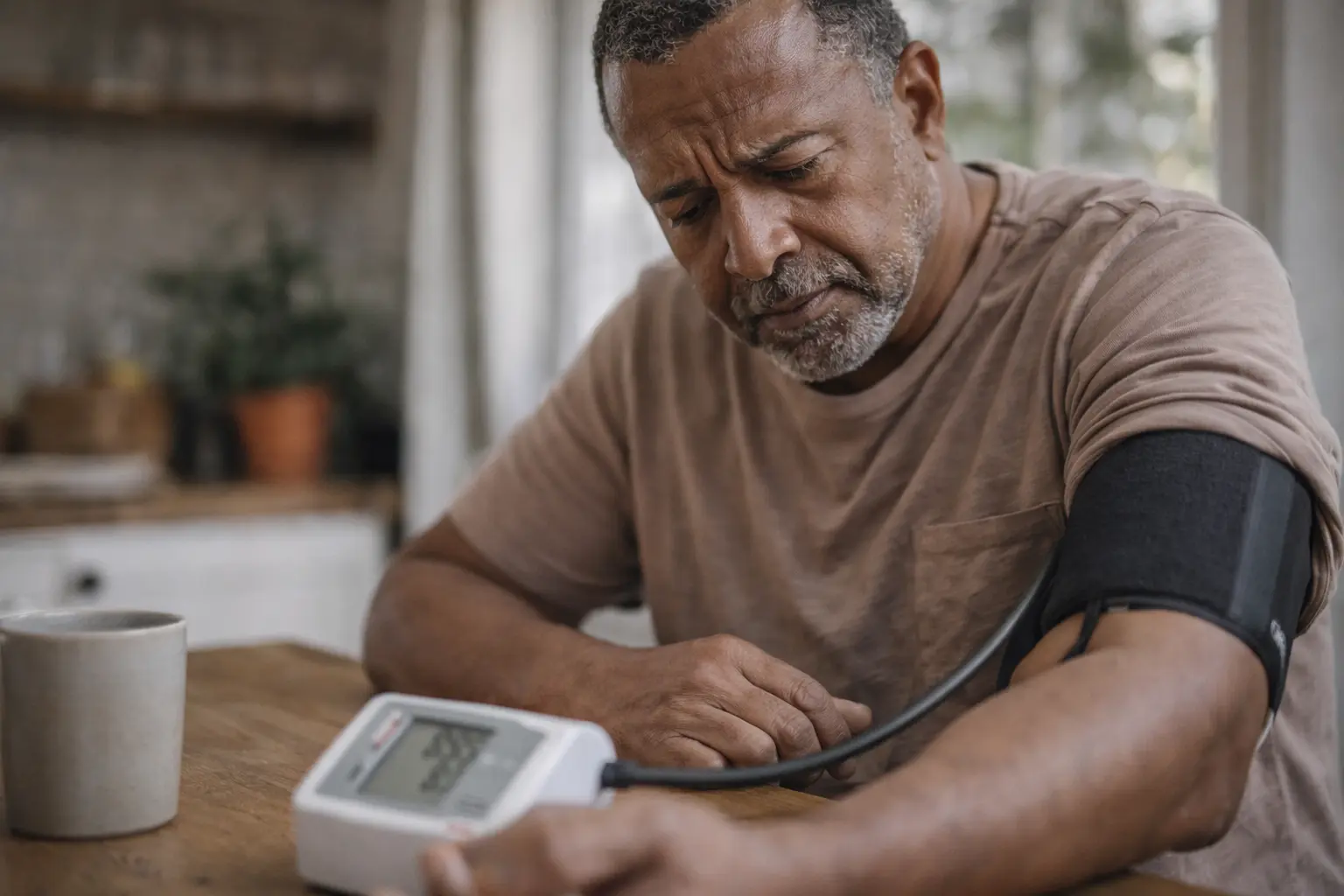
Your heart races during a stressful meeting, you feel lightheaded climbing stairs, and suddenly you’re wondering if something’s seriously wrong with you, but blood pressure numbers explained could be the key to finally understanding what’s actually happening in your body.
What do the numbers mean?
Blood pressure is measured with two numbers: systolic (top number) and diastolic (bottom number). The systolic number measures the pressure when your heart beats, while the diastolic number measures the pressure when your heart rests. Think of it like this: imagine water flowing through a garden hose. The systolic pressure is the force when the pump pushes water through, and the diastolic is the pressure when it pauses between beats. Understanding these numbers can give insight into the health of your heart and blood vessels. For example, if you see a reading of 118/76, that’s your systolic over diastolic. Many women find it helpful to check their numbers at the same time each day, perhaps in the morning before coffee, to get a true picture of their baseline. Knowing your personal numbers helps you spot patterns and changes over time.
- Systolic pressure below 120 and diastolic pressure below 80 is considered normal.
- Elevated blood pressure starts at 120-129 for systolic and below 80 for diastolic.
- High blood pressure (hypertension) stage 1 is 130-139 for systolic or 80-89 for diastolic.
- High blood pressure stage 2 is 140 or higher for systolic or 90 or higher for diastolic.
- Hypertensive crisis is a medical emergency if the systolic is above 180 and/or the diastolic is above 120.
Impact on daily life
High blood pressure can quietly damage your body without showing any symptoms, which is why many call it the silent killer. You might feel completely fine while your arteries are slowly thickening and your heart is working harder than it should. Over time, this can lead to serious health issues like heart disease, stroke, or kidney problems. Consider Sarah, a 45-year-old woman who discovered her blood pressure was 152/95 during a routine doctor visit. She had no warning signs, no headaches or chest pain, yet her doctor explained the damage was already beginning. Maintaining a healthy lifestyle, monitoring your blood pressure regularly, and following your doctor’s advice can help manage and prevent complications. Small changes matter: taking a 20-minute walk most days, reducing sodium in your diet, or practicing deep breathing can all contribute to better numbers and a healthier future.
💬 Ready to feel better in 2 minutes?choose where to begin:
Age and gender considerations
As women age, the risk of high blood pressure increases, especially after menopause when hormonal changes shift the protective effects estrogen once provided. Pregnancy-related conditions like preeclampsia can also impact blood pressure and signal future cardiovascular risk. A woman in her 30s might have perfectly normal readings, but by her 50s, she may need to be more vigilant. Knowing your family history matters too: if your mother or grandmother had high blood pressure, your risk is higher. Lifestyle factors like stress from balancing work and family, sleep quality, and even how much you move throughout the day all play a role. Taking proactive steps now, such as knowing your baseline numbers, understanding your family risk, and being honest about your stress levels, can help you catch changes early and adjust your approach before problems develop.
Seeking help and support
If you have concerns about your blood pressure, don’t hesitate to consult your healthcare provider. They can guide you on lifestyle changes, medication, and monitoring techniques tailored to your specific situation. Many women feel nervous about these conversations, worried they’ll be dismissed or told to just lose weight, but a good provider listens and partners with you. Finding a supportive community or joining a blood pressure support group can also provide encouragement and motivation on your health journey. Some women find accountability partners helpful, sharing their daily readings or exercise goals with a friend. Others use apps to track trends over weeks and months. The key is finding what resonates with you and sticking with it, knowing that small consistent efforts add up to real, measurable improvements in your health.
Understanding your blood pressure numbers is crucial for maintaining overall health. Knowing what the numbers mean, their impact on daily life, age and gender considerations, and seeking help when needed are key steps in managing your blood pressure effectively.
What lifestyle changes can help lower high blood pressure?
Lifestyle changes such as maintaining a healthy diet, regular exercise, limiting alcohol intake, reducing stress, and quitting smoking can help lower high blood pressure.
Can stress affect blood pressure readings?
Yes, stress can temporarily increase blood pressure readings. Practicing stress-reducing techniques like meditation, deep breathing, or yoga can help manage stress levels and improve overall blood pressure control.
Others also read:
Disclaimer: This article is for informational purposes only and is not a substitute for professional medical advice. Always consult a healthcare professional for personal guidance.
This article presents an experience-based perspective and has been reviewed by the GlobalHealthBeacon editorial team in 2026. It provides structured, evidence-based information to support informed health decisions.
