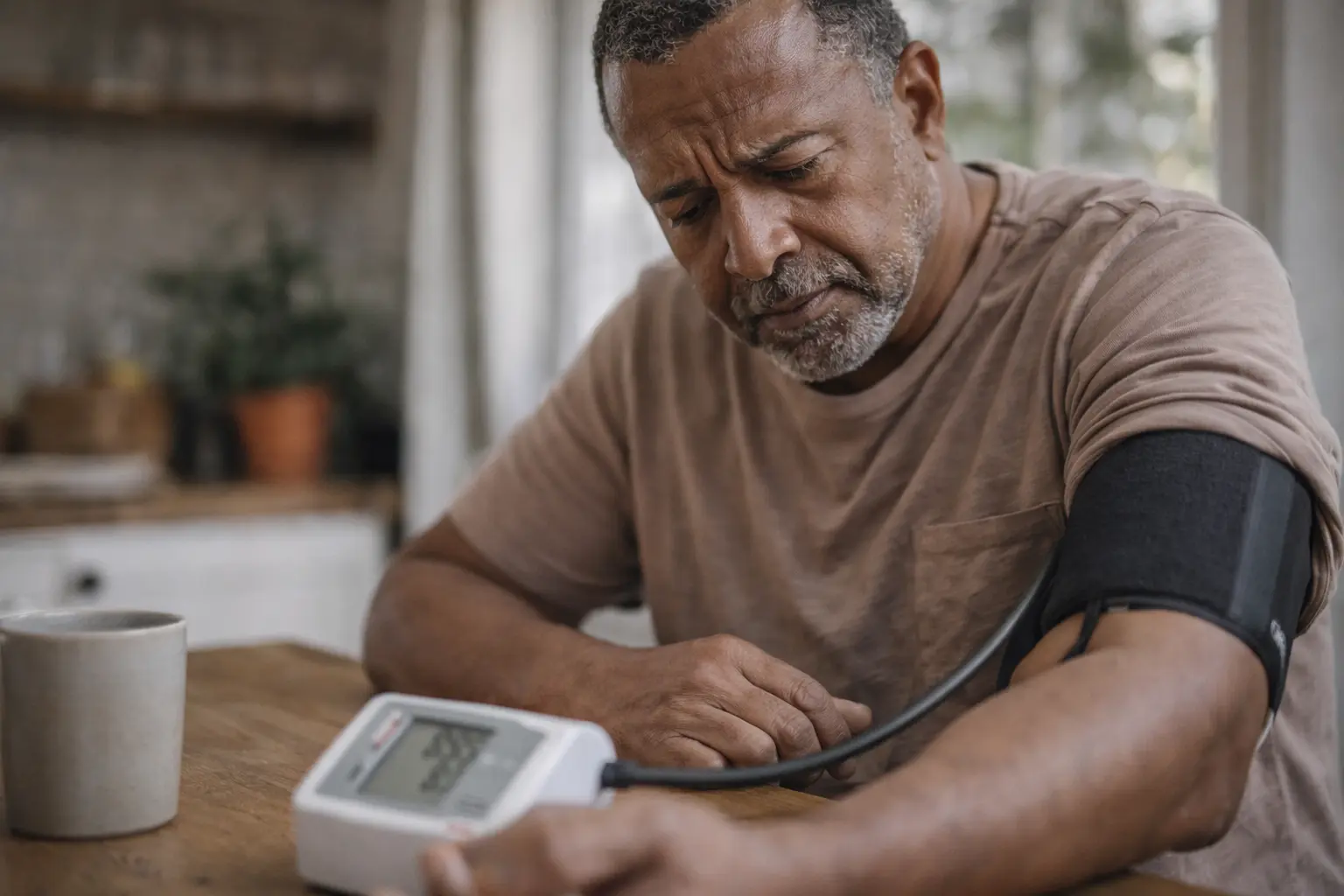
You’re sitting in your doctor’s office, they rattle off two numbers, and suddenly you’re wondering if you should be worried or relieved, but honestly, you have no idea what those blood pressure numbers actually mean or why they matter so much.
Importance of blood pressure
Blood pressure is far more than just a number your doctor checks during annual visits. It represents the force exerted by your blood as it travels through your arteries, and this force is absolutely essential for keeping your body functioning. Think of it like water pressure in a garden hose: too little pressure and nothing flows, too much and the hose bursts. Your cardiovascular system maintains this delicate balance to deliver oxygen and nutrients to every cell in your body. For women specifically, understanding blood pressure becomes increasingly important as hormonal changes throughout life, particularly during menopause, can significantly affect cardiovascular function. When your heart pumps blood with the right amount of force, your brain gets oxygen, your muscles receive fuel, and your organs can perform their vital functions. Without adequate blood pressure, tissues become starved of oxygen, leading to fatigue, dizziness, and potentially serious complications. This is why monitoring blood pressure is considered one of the most reliable indicators of overall cardiovascular health and longevity.
Understanding blood pressure numbers
Blood pressure readings always come as two numbers, and each tells a different story about what’s happening in your cardiovascular system. The top number, called systolic pressure, measures the force in your arteries when your heart actively contracts and pushes blood out. Imagine your heart as a pump: when it squeezes, that’s systolic pressure. The bottom number, diastolic pressure, measures the pressure when your heart relaxes between beats, allowing blood to flow into the heart chambers. Picture the pump releasing and refilling. Both numbers matter equally because they reveal different aspects of heart function. A reading of 120/80 millimeters of mercury (mmHg) is often considered ideal, but this isn’t a one-size-fits-all target. A woman in her 30s might have different optimal readings than a woman in her 60s. The systolic number typically increases with age as arteries naturally become less elastic, while diastolic pressure may remain relatively stable or even decrease. Understanding what these numbers represent helps you recognize why your doctor seems concerned about certain readings and why lifestyle changes can genuinely improve your numbers over time.
Factors affecting blood pressure
Your blood pressure isn’t fixed; it fluctuates throughout the day based on numerous factors, many of which you can actually influence. Age plays a significant role because blood vessels naturally stiffen over time, causing pressure to rise. Genetics also matter tremendously: if your mother or grandmother had high blood pressure, your risk increases substantially. Diet directly impacts blood pressure through sodium intake, potassium levels, and overall nutrition. A woman who consumes excessive salt might see her readings climb within days, while increasing potassium-rich foods can help lower pressure. Physical activity strengthens your heart, making it more efficient at pumping blood, which naturally reduces the force needed. Stress triggers hormonal responses that temporarily elevate pressure, and chronic stress keeps it chronically elevated. Sleep quality affects blood pressure regulation, with poor sleep linked to higher readings. Even caffeine and alcohol consumption can influence your numbers. Consider Sarah, a 52-year-old woman who noticed her blood pressure creeping up during her stressful job. When she started walking 30 minutes daily, reduced salt intake, and began meditation, her readings dropped by 15 points within three months. This illustrates how multiple factors work together and how addressing them can create real change.
- Monitor blood pressure regularly at the same time each day to track patterns and changes
- Adopt a balanced diet rich in fruits, vegetables, whole grains, and lean proteins while limiting sodium
- Engage in regular physical activity such as brisk walking, swimming, or cycling for at least 150 minutes weekly
🔬 Science-backed benefits in 2 minuteschoose where to begin:
Impact of high and low blood pressure
High blood pressure, medically called hypertension, is often called a silent killer because many women have no symptoms yet suffer serious damage internally. When pressure remains consistently elevated, it forces your heart to work harder, thickening the heart muscle over time, which paradoxically makes the heart less efficient. Elevated pressure also damages artery walls, creating tiny tears where cholesterol accumulates, narrowing vessels and restricting blood flow. This cascade of events increases risk for heart attacks, strokes, kidney disease, and vision problems. Many women don’t realize they have high blood pressure until a complication occurs. Conversely, low blood pressure, or hypotension, creates different problems. When pressure drops too low, your brain and organs don’t receive adequate oxygen. Women with low blood pressure often experience dizziness upon standing, fatigue, blurred vision, and fainting spells. Certain medications, dehydration, blood loss, or heart conditions can cause hypotension. While high blood pressure affects more women overall, low blood pressure shouldn’t be ignored, especially if it causes symptoms. The goal is finding your personal optimal range where your heart works efficiently without strain, and where your organs receive steady, adequate blood flow.
Measuring blood pressure correctly
Accurate blood pressure measurement requires more than just wrapping a cuff around your arm. The device itself must be properly calibrated and validated for accuracy. Your arm should be at heart level, supported on a flat surface, with feet flat on the ground. Surprisingly, many women get inaccurate readings because they’re tense, have a full bladder, or have just consumed caffeine. Ideally, you should sit quietly for five minutes before measurement, avoiding conversation during the reading. Home monitoring has become increasingly valuable because it captures your pressure in a relaxed environment, not the clinical setting where some people experience white coat syndrome, artificially elevated readings caused by doctor’s office anxiety. Taking readings at consistent times, such as morning before eating and evening before bed, helps establish a reliable baseline. Many women benefit from keeping a simple log of their readings and any symptoms or activities that day, which reveals patterns. For example, you might notice your pressure spikes on stressful work days or drops after exercise. This personal data becomes invaluable when discussing your health with your doctor. Modern home monitors are affordable and user-friendly, making regular self-monitoring accessible for most women.
Seeking medical advice
While understanding blood pressure science empowers you to take charge of your health, professional medical guidance remains essential. If your home readings consistently exceed 130/80 mmHg or fall below 90/60 mmHg, especially if accompanied by symptoms, contact your healthcare provider. Certain warning signs demand immediate attention: chest pain, severe shortness of breath, sudden severe headaches, vision changes, or confusion could indicate a hypertensive crisis or other serious condition requiring emergency care. Women experiencing symptoms like persistent fatigue, frequent dizziness, or swelling in legs and ankles should also seek evaluation. Your doctor can determine whether your readings reflect your true baseline or indicate an underlying condition requiring treatment. They can also assess whether lifestyle modifications alone might improve your numbers or if medication becomes necessary. Regular check-ups allow your healthcare team to monitor trends over time and adjust your approach as needed. Remember that blood pressure management is a partnership: you provide daily monitoring and lifestyle efforts, while your doctor offers professional interpretation, diagnosis, and treatment planning. Don’t hesitate to ask questions about your readings or discuss concerns about recommended treatments.
Blood pressure science reveals how your heart and arteries work together to deliver life-sustaining oxygen throughout your body. The systolic and diastolic numbers represent different phases of heart function, and understanding them helps you recognize why your doctor emphasizes cardiovascular health. Numerous factors influence your blood pressure daily, from diet and exercise to stress and sleep, and many of these factors respond to lifestyle changes. High blood pressure silently damages your cardiovascular system over time, while low blood pressure creates immediate symptoms. Accurate home monitoring combined with professional medical guidance empowers you to understand your personal blood pressure patterns and take meaningful steps toward cardiovascular wellness. By learning the science behind your numbers, you transform from a passive patient into an informed advocate for your own health.
What is the ideal blood pressure range for women?
The normal blood pressure range for women is typically around 120/80 mmHg, though individual optimal values vary based on age, health status, and other factors. Younger women might have lower readings, while older women often have naturally higher systolic pressures due to arterial stiffening. Your doctor considers your complete health picture when determining your personal target range, as some women with certain conditions benefit from slightly different targets. Consult a healthcare provider for personalized guidance tailored to your specific situation.
How can women lower their blood pressure naturally?
Women can lower their blood pressure naturally through multiple lifestyle modifications working together. A balanced diet emphasizing whole foods, vegetables, fruits, and lean proteins while limiting sodium intake directly impacts readings. Regular physical activity, even moderate exercise like brisk walking for 30 minutes most days, strengthens your cardiovascular system. Stress management techniques including meditation, deep breathing, or yoga help counteract stress-related pressure spikes. Maintaining a healthy weight reduces strain on your heart, while limiting alcohol and caffeine consumption prevents temporary elevations. Quality sleep supports healthy blood pressure regulation. These modifications work synergistically, and many women see meaningful improvements within weeks to months when implementing multiple changes simultaneously.
Others also read:
Disclaimer: This article is for informational purposes only and is not a substitute for professional medical advice. Always consult a healthcare professional for personal guidance.
This article has been prepared and reviewed by the GlobalHealthBeacon editorial team and is based on current medical research and published scientific literature available in 2026. It provides structured, evidence-based information to support informed health decisions.
← Back to the Main page on: blood pressure numbers explained
