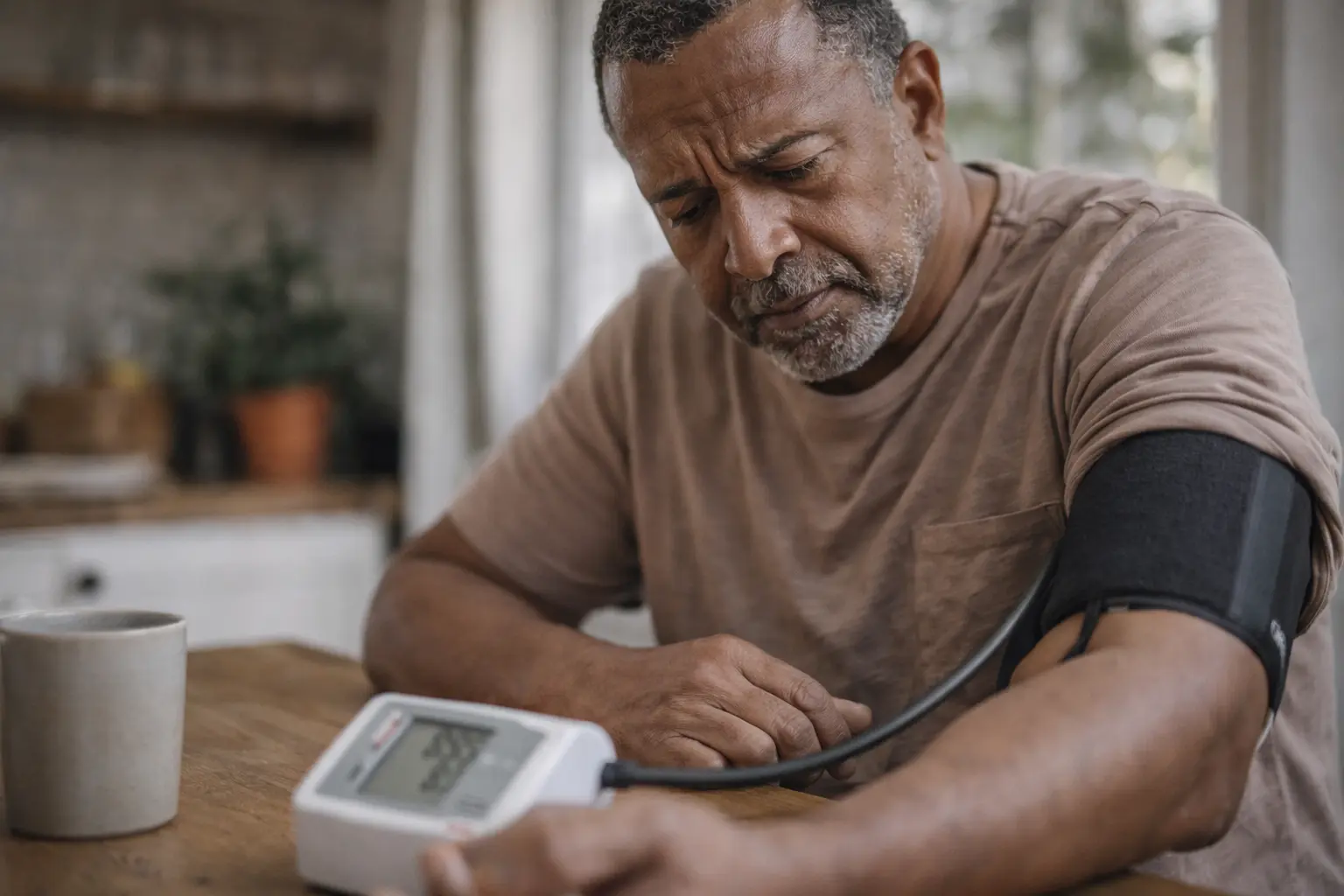
Your doctor glances at that number on the monitor, nods, and moves on, but you’re left sitting there wondering what 138 over 82 actually means for your life, your energy, your future, and whether you should be worried or relieved.
Deciphering the reading
Understanding blood pressure numbers involves knowing the two values that appear on every monitor you encounter. The top number is your systolic pressure, representing the force of blood against artery walls when the heart beats and contracts. The bottom number is diastolic pressure, indicating the pressure between heartbeats when your heart is at rest. Think of it like water pressure in a hose: systolic is the force when the pump is running, diastolic is the residual pressure when it pauses. For seniors, this matters because arteries naturally stiffen with age, making these readings increasingly important to track. A reading of 120 over 80 is often cited as ideal, but your personal target depends on your health history, medications, and any existing conditions. Some seniors with diabetes or kidney disease may have different targets than those without these conditions. The key is recognizing that these two numbers tell different stories about your cardiovascular health and work together to paint a complete picture.
- Discover the ideal blood pressure range for seniors
- Learn the risks associated with high and low blood pressure
- Gather tips on how to maintain healthy blood pressure levels
Interpreting the digits
Now that you grasp the basics, let’s delve deeper into what numbers actually mean for your daily life and long-term health. A reading of 130 to 139 systolic or 80 to 89 diastolic is considered stage 1 hypertension, while 140 and above is stage 2. But here’s what doctors sometimes skip over: your lifestyle choices, genetics, and age all influence these readings in ways you can control and ways you cannot. Stress from a difficult phone call can spike your pressure temporarily, while consistent sleep deprivation gradually pushes numbers higher over weeks and months. Medications like decongestants or certain pain relievers can raise readings, as can caffeine consumed right before measurement. A senior who walks daily, manages stress through hobbies, and maintains a diet lower in sodium often sees numbers drop by 10 to 15 points within weeks. Conversely, someone under constant stress, eating processed foods, and sedentary will watch numbers climb despite medication. Understanding these connections helps you see your readings not as fixed facts but as responsive signals you can influence through daily choices.
📘 Fix your day in under 2 minuteschoose where to begin:
Red flags to watch for
Identifying warning signs is crucial because some changes demand immediate attention while others warrant a call to your doctor during business hours. A sudden spike to 180 over 120 or higher, especially paired with chest pain, shortness of breath, or severe headache, requires emergency care right away. These symptoms suggest a hypertensive crisis that needs immediate medical intervention. More gradual increases matter too: if your readings have been stable at 125 over 78 for months and suddenly jump to 145 over 92 without explanation, that shift signals something has changed. Perhaps you stopped taking medication, increased salt intake, gained weight, or developed new stress. Some seniors experience dizziness, blurred vision, or fatigue when blood pressure climbs, while others feel nothing at all, which is why regular monitoring catches problems before symptoms appear. Keep a simple log noting your readings, the time of day, what you ate that morning, stress levels, and how you felt. Over weeks, patterns emerge that reveal your personal triggers. One senior might notice readings spike after visiting a certain family member, while another sees increases tied to skipped exercise days. These patterns become your roadmap for prevention.
Taking control of your health
Empower yourself with practical strategies that fit into your actual life, not some idealized version of it. Dietary changes don’t mean deprivation: reducing sodium doesn’t require bland food when you learn to season with herbs, lemon, and spices instead of salt. A senior who loves cooking can experiment with garlic, ginger, basil, and rosemary to make meals taste vibrant while keeping sodium under 2,300 milligrams daily. Physical activity doesn’t demand gym memberships or running; a 30-minute walk most days, gardening, swimming, or dancing all count and deliver real results. Stress reduction works best when tailored to what actually calms you: some find peace in meditation, others in reading, woodworking, time with grandchildren, or sitting quietly with coffee. Weight management, if needed, happens gradually through small changes rather than dramatic overhauls. One senior might swap afternoon soda for sparkling water, another might reduce portion sizes by using smaller plates. These modifications compound over months into significant improvements. Some seniors benefit from limiting alcohol, improving sleep quality, or managing existing conditions like diabetes more tightly. The point is choosing changes you can sustain, not perfection.
Consulting with your healthcare provider
Regular check-ups and open communication with your doctor form the foundation of effective blood pressure management. Before your appointment, bring a log of home readings taken over several weeks, not just the numbers but context: time of day, what you ate, stress level, and any symptoms. This information helps your doctor see patterns and adjust treatment if needed. Discuss your personal blood pressure target, which may differ from standard guidelines based on your age, other health conditions, and medication tolerance. Ask specifically about medication side effects you experience and whether alternatives exist. Some blood pressure medications cause fatigue, dizziness, or other effects that impact quality of life, and your doctor may have options. Understand what numbers warrant calling between visits versus waiting for your next appointment. Know the warning signs that demand emergency care. Ask about home monitoring devices: some are more accurate than others, and your doctor can recommend reliable options. Discuss how often you should check at home and when to increase monitoring if readings trend upward. This partnership approach, where you actively participate rather than passively receive treatment, leads to better outcomes and helps you feel genuinely in control of your health journey.
Get a comprehensive understanding of blood pressure numbers, from decoding readings to recognizing red flags. Empower yourself to take charge of your health with practical strategies and proactive healthcare decisions.
What is considered a normal blood pressure reading for seniors?
For seniors, a normal blood pressure reading is typically below 120/80 mmHg. However, individual variations based on health conditions and medications can apply. It is essential to consult with a healthcare provider for personalized targets.
How often should seniors monitor their blood pressure?
Seniors should aim to monitor their blood pressure regularly, ideally at home daily or as recommended by their healthcare provider. Frequent tracking can help detect any changes and facilitate timely interventions if needed.
Others also read:
Disclaimer: This article is for informational purposes only and is not a substitute for professional medical advice. Always consult a healthcare professional for personal guidance.
This guide has been prepared and reviewed by the GlobalHealthBeacon editorial team and reflects current medical research as of 2026. It provides structured, evidence-based information to support informed health decisions.
