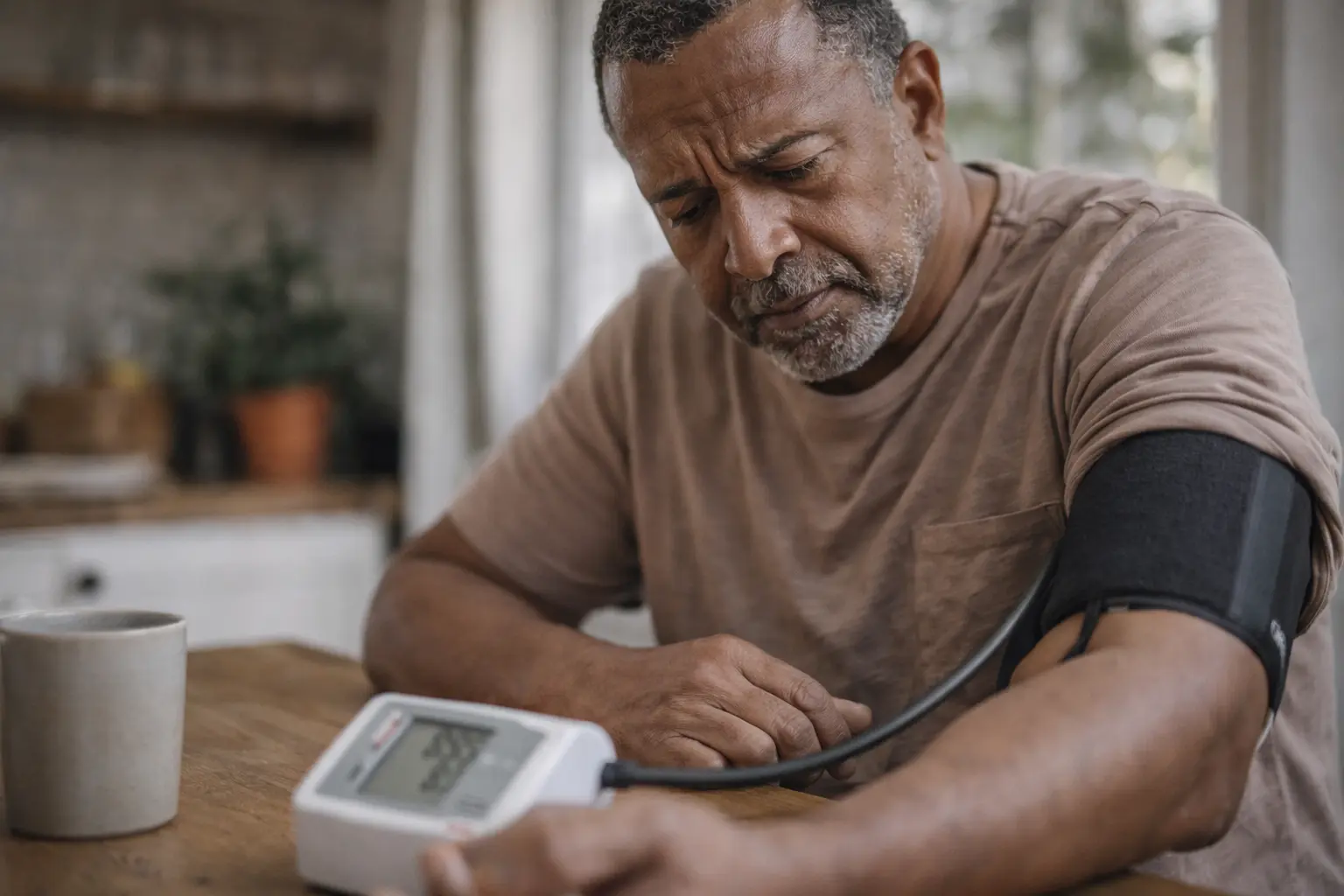
Your doctor rattles off two numbers, you nod like you understand, then walk out still confused about what they actually mean for your body – if that sounds familiar, you’re not alone, and this guide breaks down blood pressure numbers explained so you finally get what’s really happening inside your arteries.
Understanding blood pressure numbers
Blood pressure works like a two-part story your body tells every single day. The systolic number (the top one) measures the force your heart generates when it contracts and pushes blood out into your arteries. Think of it as the pressure during the active beat. The diastolic number (the bottom one) captures what happens between beats, when your heart relaxes and refills. Picture your heart as a pump: systolic is the squeeze, diastolic is the release. For women, understanding this distinction matters because your readings can shift throughout your cycle, during stress, or even when you’re sitting down versus standing up. A typical healthy reading sits below 120/80 mm Hg, but that number isn’t one-size-fits-all. Some women naturally run lower, others slightly higher, and that’s why tracking your personal baseline over time gives you real insight into what normal looks like for your body.
- Systolic measures the pressure in the arteries when the heart beats.
- Diastolic measures the pressure in the arteries when the heart is at rest between beats.
- A healthy blood pressure reading is typically below 120/80 mm Hg.
Interpreting your blood pressure
Your blood pressure numbers tell a story about how hard your cardiovascular system is working. Normal readings under 120/80 suggest your heart and arteries are in good shape. Elevated readings between 120-129 and under 80 signal a yellow flag: your body is starting to work harder than it should. Stage 1 hypertension (130-139 systolic or 80-89 diastolic) means your arteries face increasing strain. Stage 2 hypertension (140 and above) requires immediate attention because at this level, your risk for heart attack, stroke, and kidney disease climbs significantly. Women sometimes dismiss slightly elevated readings, but that’s where problems begin. High blood pressure often has no symptoms, which is why it earned the nickname ‘silent killer.’ You might feel completely fine while damage quietly accumulates in your blood vessels. Regular monitoring catches these shifts early, giving you time to make changes before serious complications develop.
📘 Fix your day in under 2 minuteschoose where to begin:
Managing high blood pressure
If your numbers creep into the high range, you have real power to bring them down. Start with food: reducing sodium doesn’t mean eating bland meals, it means reading labels and choosing fresh ingredients over processed ones. A woman who swapped canned soups for homemade versions and cut her sodium intake by half saw her systolic pressure drop by 8 points within three months. Movement matters too. You don’t need intense gym sessions; a 30-minute walk most days, swimming, or even dancing at home counts. Stress management is equally critical because tension tightens blood vessels and raises pressure. Try deep breathing, meditation, yoga, or whatever helps you unwind. Weight management, limiting alcohol, and quitting smoking all contribute. Some women resist medication, but sometimes your body needs pharmaceutical help alongside lifestyle changes. Your doctor can guide this decision. The key is consistency: managing blood pressure isn’t a sprint, it’s a lifelong practice of small daily choices that compound into real results.
Risk factors for women
Women face unique blood pressure challenges men don’t encounter. Hormonal birth control can raise your pressure, especially if you already have risk factors. Pregnancy sometimes brings gestational hypertension, which needs monitoring to protect both you and your baby. Menopause brings another shift: as estrogen drops, blood pressure often rises, and some women develop hypertension for the first time in their 50s. Polycystic ovary syndrome (PCOS) increases hypertension risk. Family history matters too; if your mother or grandmother had high blood pressure, your odds increase. Chronic stress, sleep problems, and certain medications can all push numbers higher. A woman in her mid-40s might notice her readings climbing as she approaches menopause, then wonder if it’s normal. It’s common, but not something to ignore. Understanding your personal risk factors helps you stay vigilant and catch changes early.
Seeking professional guidance
Your doctor isn’t just there to label you with a diagnosis; they’re your partner in understanding what your numbers mean for your specific life. Schedule regular check-ups, ideally annually if your pressure is normal, more frequently if it’s elevated. Bring a blood pressure log if you monitor at home, because patterns matter more than single readings. Ask your doctor directly: What do my numbers mean? What’s my target? What changes matter most for me? Don’t assume you need medication right away if your reading is slightly high; discuss whether lifestyle changes alone might work first. If medication is recommended, understand why and what side effects to watch for. Some women need to try different medications before finding one that works without bothersome effects. Your healthcare provider should listen to your concerns, answer your questions, and adjust your plan as needed. This is your health, and you deserve care that feels personalized, not rushed.
Blood pressure numbers tell you how hard your heart and arteries are working. For women, understanding these numbers means recognizing unique factors like hormones, pregnancy, and menopause that shift your readings. Healthy numbers stay below 120/80, but your personal baseline matters. High blood pressure develops silently, which is why regular monitoring catches problems early. Lifestyle changes like diet, exercise, stress management, and weight control often bring numbers down, though some women need medication too. Your healthcare provider helps you interpret your specific numbers and create a plan that fits your life. Small, consistent choices compound into real cardiovascular health over time.
What is considered a healthy blood pressure range for women?
A healthy blood pressure reading for women is typically below 120/80 mm Hg. However, your personal baseline matters, and what’s normal for you might differ slightly from general guidelines. Elevated readings between 120-129 and under 80 warrant lifestyle attention. Stage 1 hypertension ranges from 130-139 systolic or 80-89 diastolic, while stage 2 hypertension is 140 and above. Monitor your numbers regularly and discuss your individual targets with your healthcare provider, especially if you have risk factors like family history, PCOS, or are approaching menopause.
What lifestyle changes can help manage high blood pressure in women?
Multiple lifestyle changes work together to lower blood pressure. Reduce sodium by choosing fresh foods over processed options and reading labels carefully. Move your body regularly with activities you enjoy, aiming for at least 150 minutes of moderate exercise weekly. Manage stress through meditation, yoga, deep breathing, or hobbies that calm you. Maintain a healthy weight, limit alcohol to one drink daily or less, and quit smoking if applicable. Sleep quality matters too; aim for 7-9 hours nightly. Some women see significant improvements with lifestyle alone, while others need medication alongside these changes. Your doctor can help determine the right combination for you.
Others also read:
Disclaimer: This article is for informational purposes only and is not a substitute for professional medical advice. Always consult a healthcare professional for personal guidance.
This guide has been prepared and reviewed by the GlobalHealthBeacon editorial team and reflects current medical research as of 2026. It provides structured, evidence-based information to support informed health decisions.
