Your bones are getting weaker and you don’t even know it, but a bone density scan DXA explained could be the wake-up call that saves you from a devastating fracture down the road.
Understanding bone density scan DXA
A bone density scan, also known as a DXA scan, is a painless and non-invasive test that measures the strength and mineral density of your bones. Think of it like a report card for your skeletal system. The test uses low-dose X-rays to create detailed images of your bones, particularly in areas most vulnerable to fractures like your hip and spine. For seniors, this test becomes increasingly important because bone loss accelerates with age, especially after menopause for women. Imagine you’re 68 years old and you slip on ice in your driveway. A younger person might brush it off, but without knowing your bone density, you could be walking around with bones fragile enough to break from that fall. That’s where DXA comes in. It detects osteoporosis, a condition where bones become brittle and weak, often before any symptoms appear. The scan takes only 10 to 30 minutes and requires no needles, injections, or recovery time. You simply lie on a table while the machine does the work. Many seniors are surprised to learn they have significant bone loss only after getting this scan, making it a crucial preventive tool for maintaining independence and quality of life as you age.
- DXA scans are commonly performed on the hip and spine, the most susceptible areas for bone thinning.
- It is essential for seniors to monitor their bone health through regular DXA scans to prevent fractures and complications.
- The results of a DXA scan are reported as T-scores, which compare your bone density to that of a healthy young adult.
- A DXA scan helps in assessing the risk of fractures and guides healthcare providers in recommending appropriate treatment plans.
- Factors such as age, gender, and lifestyle choices can impact bone density, making regular DXA scans vital for senior health.
Preparing for a DXA scan
Getting ready for your DXA scan is straightforward, but a few preparations can ensure you get the most accurate results. Start by making a list of all medications and supplements you take, from blood pressure pills to calcium supplements, and share this with your healthcare provider before the appointment. Some medications can affect bone density readings, and your doctor needs to know the full picture. Wear comfortable, loose-fitting clothing without metal fasteners, zippers, or buttons, as these can interfere with the imaging. Many seniors find it helpful to wear a simple t-shirt and sweatpants. Remove any jewelry, watches, or metal-containing items before the scan. If you’ve had recent imaging tests involving contrast dye or barium, let your provider know, as these can sometimes affect results. There’s no need to fast or avoid food before a DXA scan, so eat normally that day. Arrive about 10 minutes early to complete any paperwork. If you’re anxious about medical procedures, it helps to remember that DXA is one of the gentlest diagnostic tests available. Some seniors bring a family member for support, which can ease any nervousness. Finally, avoid strenuous exercise the day before your scan, as this won’t affect results but will help you feel more relaxed during the appointment.
📘 Fix your day in under 2 minuteschoose where to begin:
During the DXA scan
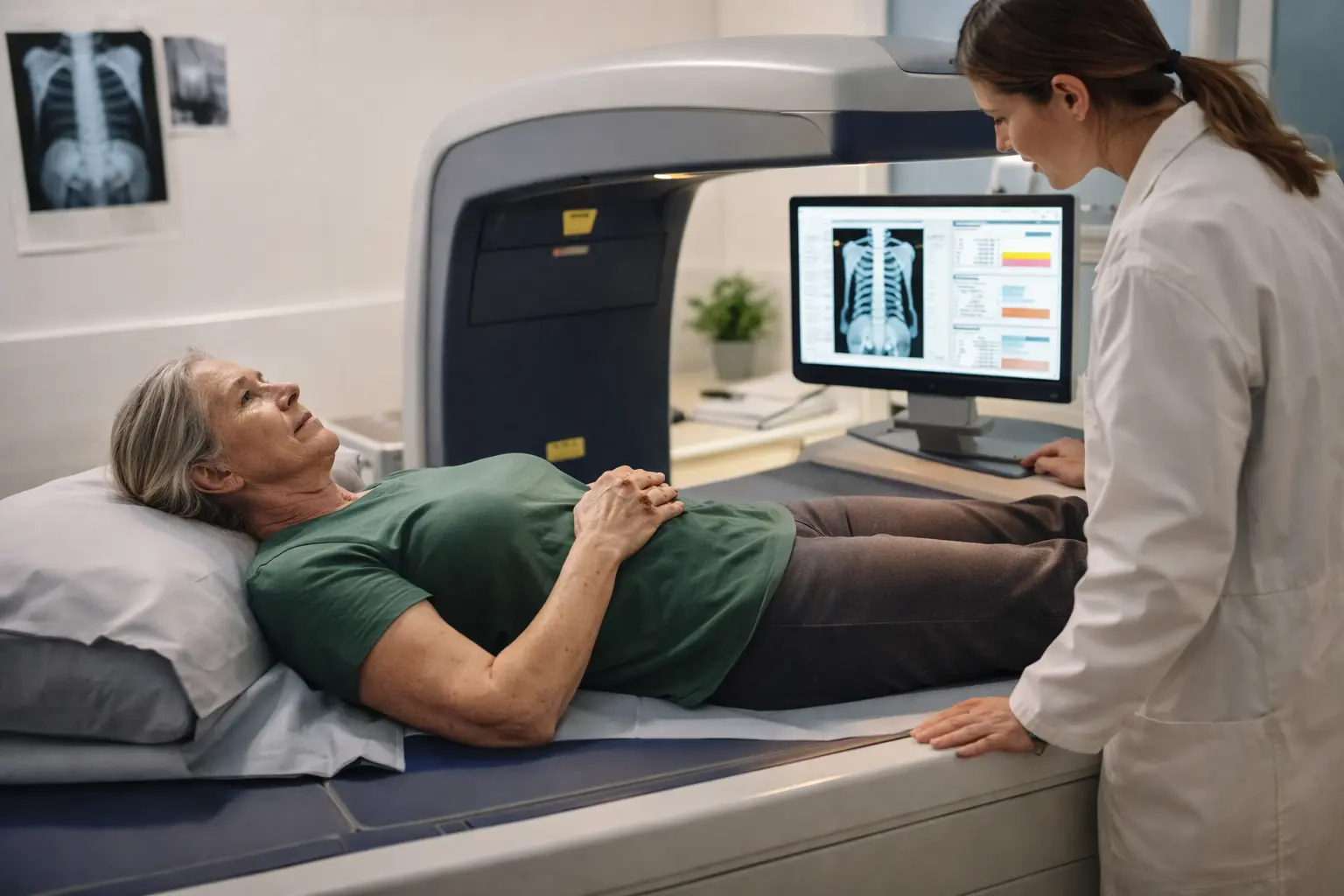
When you arrive for your DXA scan, a technician will guide you to a comfortable examination room and explain exactly what will happen. You’ll lie flat on your back on a padded table, fully clothed, in a relaxed position. The technician may place a pillow under your knees for comfort. The scanning arm moves slowly across your body, typically starting at your lower spine and moving to your hip. You’ll hear a soft humming sound as the machine works, but there’s no pain, vibration, or sensation whatsoever. The entire process usually takes 10 to 30 minutes depending on which bones are being scanned. Many seniors describe it as the easiest medical test they’ve ever had. You can breathe normally and even chat with the technician if you’d like. The radiation exposure is minimal, roughly equivalent to a few days of natural background radiation you’re already exposed to. After the scan is complete, you can get up immediately and return to your normal activities. There’s no recovery period, no side effects, and no restrictions. Some facilities provide results the same day, while others may take a few days. Your healthcare provider will schedule a follow-up appointment to discuss your results and what they mean for your bone health moving forward.
Interpreting the results
Understanding your DXA results might seem confusing at first, but your healthcare provider will break it down into simple terms. The key number to focus on is your T-score, which compares your bone density to that of a healthy 30-year-old. A T-score of -1 or higher means your bones are normal. Between -1 and -2.5 indicates low bone density, often called osteopenia, which means you’re at increased risk for fractures but don’t yet have osteoporosis. A T-score below -2.5 indicates osteoporosis, meaning your bones are significantly weaker and fracture risk is higher. Your provider will also look at your Z-score, which compares your bone density to others your age and gender, helping determine if bone loss is typical or unusual for you. For example, a 72-year-old woman might have a T-score of -2.3, indicating osteoporosis, but her Z-score might be normal for her age group. The results also include a 10-year fracture risk percentage, which tells you the likelihood of breaking a hip, spine, or wrist in the next decade. This number helps your doctor decide whether medication is necessary. Don’t panic if your results show low bone density. Many seniors manage this condition successfully with lifestyle changes and sometimes medication. Your provider will explain your specific situation and create a personalized plan to slow bone loss and reduce fracture risk.
Follow-up care
After your DXA scan results are in, the real work begins, and the good news is that you have control over much of it. Your healthcare provider may recommend lifestyle changes tailored to your situation. Increasing calcium intake through dairy products, leafy greens, or supplements helps build bone strength. Aim for 1,000 to 1,200 milligrams daily depending on your age and gender. Vitamin D is equally important because your body needs it to absorb calcium effectively. Many seniors don’t get enough sun exposure or vitamin D-rich foods, so your doctor might recommend a supplement. Regular weight-bearing exercise like walking, dancing, or light strength training stimulates bone formation and helps maintain density. Even 30 minutes of activity most days makes a difference. Balance exercises reduce fall risk, which is crucial since a fracture is more likely to happen from a fall than from weak bones alone. If your results show significant bone loss, your provider may prescribe medications like bisphosphonates that slow bone loss or other treatments that build bone density. These medications work best when combined with lifestyle changes. Schedule follow-up DXA scans typically every two years to monitor your progress. This allows your doctor to see if your bone density is stabilizing, improving, or declining further, and adjust your treatment plan accordingly. Many seniors find that consistent effort with exercise, nutrition, and medication creates measurable improvements in bone health over time.
A bone density scan, or DXA scan, is a vital tool for assessing bone health in seniors. Understanding the results and following up with recommended care can help prevent fractures and maintain bone strength as you age.
Are there any risks associated with a DXA scan?
DXA scans are considered safe with minimal radiation exposure. However, inform your healthcare provider if you are pregnant or have undergone any recent imaging tests involving contrast dye.
How often should seniors get a DXA scan?
Seniors over 65 years or those at higher risk for osteoporosis should have a DXA scan every two years. Your healthcare provider will recommend the appropriate frequency based on your individual risk factors.
Others also read:
Disclaimer: This article is for informational purposes only and is not a substitute for professional medical advice. Always consult a healthcare professional for personal guidance.
This guide has been prepared and reviewed by the GlobalHealthBeacon editorial team and reflects current medical research as of 2026. It provides structured, evidence-based information to support informed health decisions.
