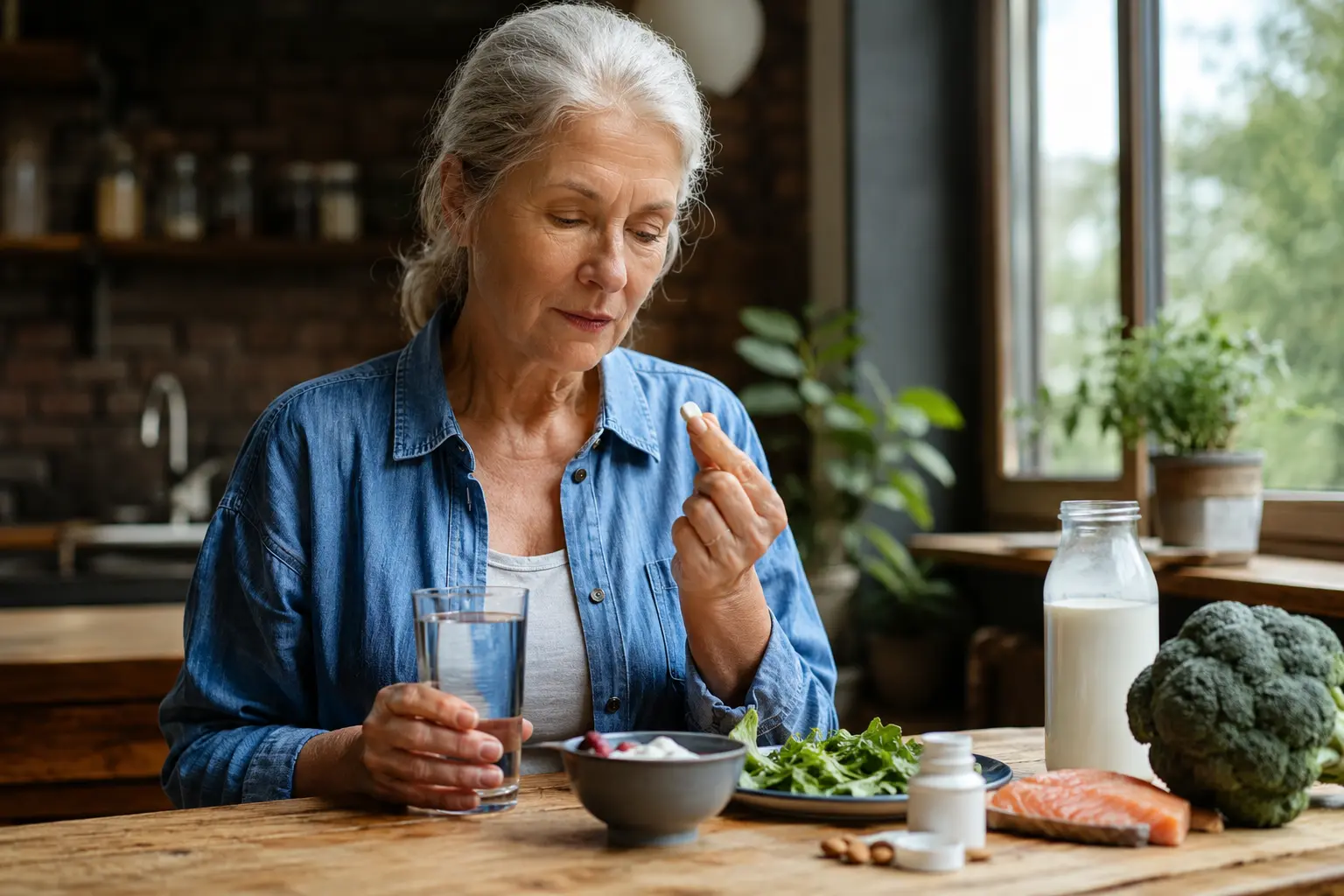
Your bones are getting weaker, you feel less stable on your feet, and you’re terrified of falling and breaking something that might never heal right again, but calcium vitamin d bone health is the exact foundation you need to rebuild that strength and confidence starting today.
The importance of calcium and vitamin D for bone health
Calcium and vitamin D are not just nutrients you hear about in passing. They are the dynamic duo your skeleton depends on to stay strong and functional as you age. Calcium serves as the literal building block of your bones, providing the structural foundation that keeps them dense and resilient. Vitamin D, on the other hand, acts as the key that unlocks calcium absorption in your digestive system. Without adequate vitamin D, your body cannot properly utilize the calcium you consume, no matter how much dairy you drink. Think of it this way: calcium is the brick, and vitamin D is the mortar that holds everything together. As you enter your senior years, bone density naturally declines due to hormonal changes and reduced physical activity. This is why understanding and actively managing these two nutrients becomes critical. Inadequate levels can lead to osteoporosis, a condition where bones become brittle and fracture easily from minor falls or even simple movements. Beyond bone structure, calcium also regulates muscle contractions and nerve signaling throughout your body, while vitamin D supports immune function and mood regulation.
- Calcium is essential for muscle function and nerve transmission.
- Vitamin D promotes the absorption of calcium from your diet.
- Inadequate levels of these nutrients can lead to osteoporosis and fractures.
Natural sources of calcium and vitamin D
Getting these nutrients from food sources is your first line of defense and often the most effective approach. For calcium, dairy products like milk, yogurt, and cheese are reliable staples, but they are far from your only options. If you are lactose intolerant or prefer plant-based sources, dark leafy greens such as kale, collard greens, and broccoli contain substantial amounts of bioavailable calcium. Fortified plant-based milks, almonds, and canned fish with bones like salmon and sardines also deliver significant calcium. For vitamin D, fatty fish such as salmon, mackerel, and sardines are excellent sources. Egg yolks contain moderate amounts, and fortified cereals, milk, and orange juice can boost your intake throughout the day. A practical strategy is to build your meals around these foods. For example, a breakfast of fortified cereal with milk and a side of scrambled eggs covers both nutrients. A lunch featuring grilled salmon with steamed broccoli and a dinner of yogurt-based dishes creates multiple opportunities for absorption. The key is variety and consistency, not perfection.
📘 Fix your day in under 2 minuteschoose where to begin:
Supplements: do you need them?
If your dietary intake falls short despite your best efforts, supplements can fill the gap effectively. Many seniors find that getting adequate calcium and vitamin D from food alone is challenging due to dietary restrictions, digestive issues, or simply not enjoying the primary food sources. Before starting any supplement regimen, consult with your healthcare provider or registered dietitian. They can assess your current levels through blood tests and recommend appropriate dosages tailored to your individual needs. This step is crucial because excessive calcium or vitamin D can cause problems. Too much calcium may increase kidney stone risk or interfere with iron absorption, while excess vitamin D can lead to elevated blood calcium levels. Your doctor will also check for interactions with medications you currently take, such as certain blood thinners or osteoporosis drugs. A common approach is taking a combined calcium and vitamin D supplement once daily, often with food to enhance absorption. Some seniors prefer separate supplements for better control over dosing. Whatever you choose, consistency matters more than perfection. Taking your supplement at the same time each day, perhaps with breakfast, helps establish a habit you will maintain long-term.
Sun exposure for vitamin D
Your skin naturally produces vitamin D when exposed to sunlight, making sun exposure a free and accessible source of this vital nutrient. The challenge for seniors is finding the right balance between getting enough sun and protecting your skin from damage. Generally, aim for 10 to 30 minutes of midday sun exposure several times per week, though the exact duration depends on your skin type, geographic location, and season. Darker skin tones require longer exposure times, while lighter skin produces vitamin D more quickly. If you live in northern climates or experience long winters, sun exposure may be insufficient for several months, making dietary sources or supplements essential during those periods. A practical routine might involve taking a 15-minute walk outdoors in the morning or early afternoon without sunscreen during warmer months. This provides vitamin D production while minimizing skin damage risk. During peak sun hours (10 a.m. to 3 p.m.), consider wearing lightweight long sleeves or a hat if you are concerned about sun exposure. Remember that vitamin D production decreases significantly with age, so seniors may need longer exposure times than younger adults to achieve the same benefit. Cloudy days and window glass block most UV rays needed for vitamin D synthesis, so outdoor exposure is essential.
Physical activity and bone health
Exercise is not optional when it comes to maintaining bone density and strength in your senior years. Weight-bearing activities force your bones to work against gravity, which stimulates bone-building cells and slows age-related bone loss. Walking is an accessible starting point that requires no special equipment and can be done almost anywhere. Hiking on varied terrain offers additional benefits by engaging stabilizer muscles and improving balance. Dancing combines weight-bearing movement with coordination and social engagement, making it enjoyable and sustainable long-term. Resistance training using light weights, resistance bands, or even your body weight strengthens muscles that support and protect your bones. A practical weekly routine might include three days of walking or hiking for 30 minutes, two days of gentle resistance exercises targeting major muscle groups, and one day of flexibility work like tai chi or yoga. The combination of calcium and vitamin D intake with consistent physical activity creates a powerful protective effect against fractures and osteoporosis. Start slowly if you are new to exercise, and consider working with a physical therapist or trainer who understands senior fitness to ensure you are using proper form and progressing safely. Consistency over intensity matters most for long-term bone health.
Strong bones in your senior years depend on three interconnected pillars: adequate calcium and vitamin D intake from food and supplements when needed, regular sun exposure to support natural vitamin D production, and consistent weight-bearing physical activity. Start by evaluating your current dietary sources and identifying gaps. Consult your healthcare provider about testing and supplementation if necessary. Establish a simple routine that combines nutritious eating, outdoor time, and regular movement. These actions, maintained consistently, provide the foundation for maintaining bone strength, independence, and confidence as you age.
What are the risks of not getting enough calcium and vitamin D?
Inadequate calcium and vitamin D levels can lead to weak bones and increase the risk of fractures and osteoporosis, especially in seniors. Over time, bone density decreases significantly, making even minor falls potentially serious. Additionally, low vitamin D is linked to muscle weakness, increased fall risk, and mood changes.
Should I take calcium and vitamin D supplements together?
It is common and often beneficial to take calcium and vitamin D supplements together, as vitamin D aids in the absorption of calcium, promoting bone health. However, your healthcare provider may recommend separate supplements depending on your specific needs, dietary intake, and any medical conditions you have.
Others also read:
Disclaimer: This article is for informational purposes only and is not a substitute for professional medical advice. Always consult a healthcare professional for personal guidance.
This guide has been prepared and reviewed by the GlobalHealthBeacon editorial team and reflects current medical research as of 2026. It provides structured, evidence-based information to support informed health decisions.
