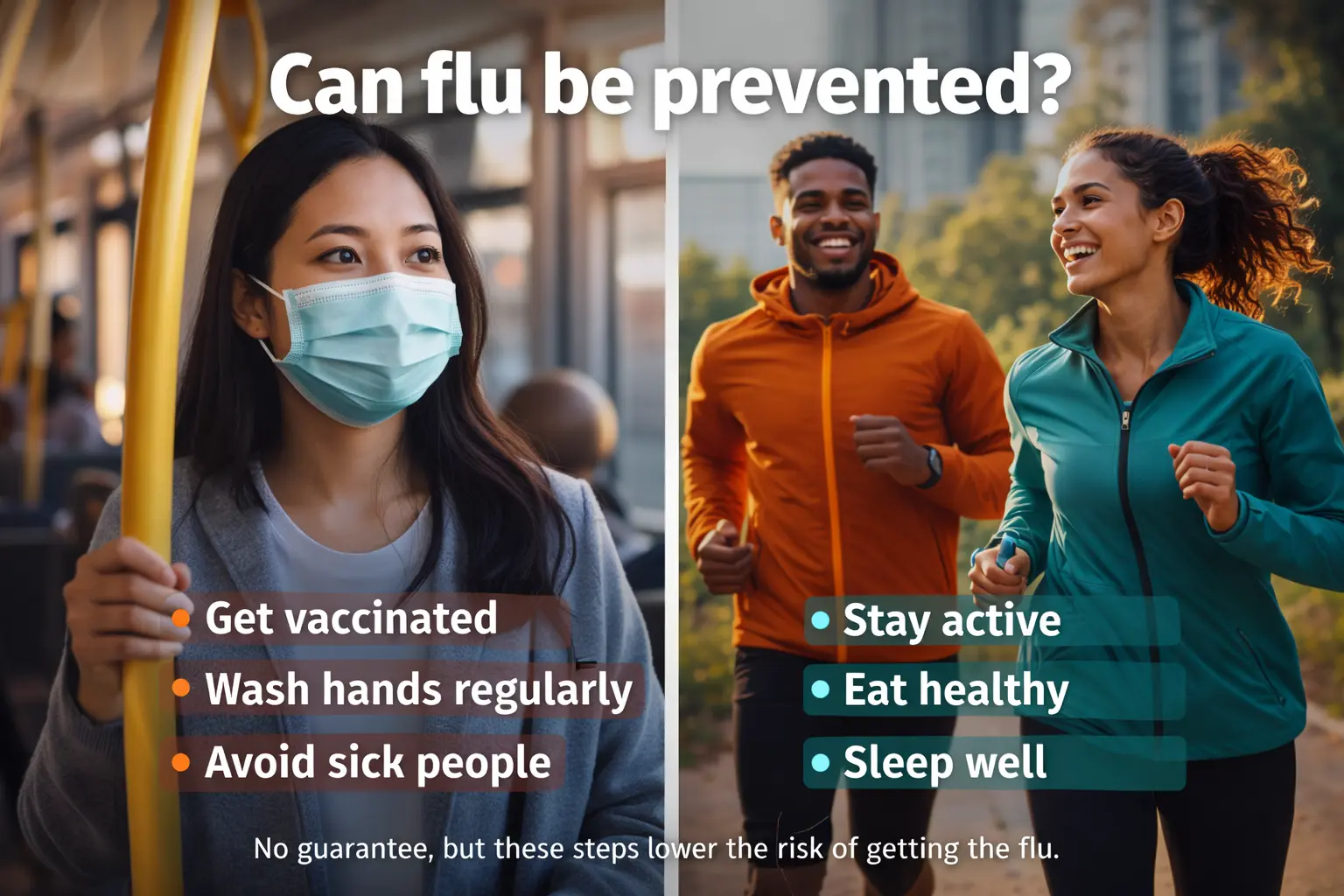
Waking up with body aches, a scratchy throat, and that unmistakable feeling that something is seriously wrong – that is not how you want to spend your season, and the good news is this: can flu be prevented naturally, and yes, you have more control than you think.
Boost your immune system
Your immune system is your body’s first line of defense, and it works best when you fuel it properly. Think of it like maintaining a car – regular maintenance prevents breakdowns. Start by filling your plate with colorful produce. A senior who eats three servings of leafy greens, two servings of berries, and a variety of orange and red vegetables daily is giving their body the antioxidants and vitamins it needs to fight off viruses. Hydration matters more than many realize. As you age, your thirst mechanism weakens, so you might not feel thirsty even when your body needs water. Aim to drink water consistently throughout the day, not just when you feel parched. Sleep is where the magic happens. During deep sleep, your body produces cytokines, which are proteins that help fight infection. Seniors who consistently get 7 to 9 hours of quality sleep show stronger immune responses to vaccines and have fewer respiratory infections overall. If sleep is difficult, consider a consistent bedtime routine, keeping your bedroom cool and dark, and avoiding screens an hour before bed.
- Eat a variety of colorful fruits and vegetables daily
- Drink plenty of water throughout the day
- Aim for 7-9 hours of quality sleep each night
Practice good hygiene
Hand hygiene is not just about cleanliness – it is your primary barrier against viruses. The flu spreads when you touch a contaminated surface and then touch your face. Wash your hands with soap and warm water for at least 20 seconds, especially before eating, after using the bathroom, after being in public spaces, and after coughing or sneezing. Many seniors skip this step or rush through it. If soap and water are not available, use an alcohol-based hand sanitizer with at least 60 percent alcohol. Beyond handwashing, be mindful of your face. Your eyes, nose, and mouth are entry points for viruses. A common mistake is touching your face without thinking, especially when you are concentrating or stressed. Keep your hands away from your face throughout the day. Additionally, disinfect frequently touched surfaces in your home like doorknobs, light switches, and remote controls, especially during peak flu season. If someone in your household is sick, use separate towels and dishes.
📘 Fix your day in under 2 minuteschoose where to begin:
Get vaccinated
Vaccination is the single most effective tool for preventing the flu in seniors. Your healthcare provider can recommend the best vaccine option for you, as there are several formulations designed specifically for older adults. The high-dose flu vaccine and the recombinant flu vaccine are often preferred for seniors because they trigger a stronger immune response. Getting vaccinated does not guarantee you will not get the flu, but it significantly reduces your risk and, if you do get sick, it lessens the severity and duration of illness. The best time to get vaccinated is in the fall, ideally by the end of October, before flu season peaks. Many seniors worry about side effects, but serious reactions are rare. Common mild side effects like arm soreness or low-grade fever are temporary and far less serious than actual influenza. Talk to your doctor about the timing and which vaccine is right for your health profile.
Stay active
Regular physical activity strengthens your immune system in multiple ways. Exercise increases circulation, which helps immune cells move through your body more effectively. It also reduces stress hormones like cortisol, which can suppress immune function when elevated. You do not need intense workouts. A 30-minute walk most days of the week, gentle swimming, tai chi, or even gardening provides real benefits. Seniors who exercise regularly report fewer colds and flu infections compared to sedentary peers. Physical activity also improves sleep quality, which circles back to stronger immunity. Start where you are – if you have been inactive, begin with 10 to 15 minutes of gentle movement and gradually increase. Movement also improves balance and strength, reducing fall risk, which is an added bonus. If you have chronic conditions like arthritis or heart disease, consult your doctor about safe exercise options tailored to your situation.
Minimize exposure
During flu season, being strategic about your exposure reduces your risk significantly. Avoid crowded indoor spaces when the flu is actively spreading in your community. If you must go out, consider wearing a mask in high-risk settings like healthcare facilities or crowded stores. Avoid close contact with people who are visibly sick – coughing, sneezing, or running a fever. If someone in your household is ill, maintain distance when possible and ensure they cover their mouth when coughing or sneezing. Stay home if you develop flu symptoms yourself. Many seniors feel obligated to attend social gatherings or appointments even when unwell, but this spreads illness to others. If you are feeling feverish, fatigued, or have respiratory symptoms, give yourself permission to rest at home for at least 24 hours after your fever breaks without medication. This protects both your recovery and your community.
Support your immune system, practice good hygiene, get vaccinated, stay active, and minimize exposure to prevent the flu. Taking these proactive steps can help you stay healthy during flu season.
Is the flu vaccine safe for seniors?
Yes, the flu vaccine is safe and recommended for seniors to protect against seasonal influenza. Consult your healthcare provider for personalized advice.
Can I get the flu from the flu shot?
No, the flu shot does not cause the flu. It contains inactivated virus particles that cannot cause infection but trigger your body to build immunity.
Others also read:
Disclaimer: This article is for informational purposes only and is not a substitute for professional medical advice. Always consult a healthcare professional for personal guidance.
This guide has been prepared and reviewed by the GlobalHealthBeacon editorial team and reflects current medical research as of 2026. It provides structured, evidence-based information to support informed health decisions.
