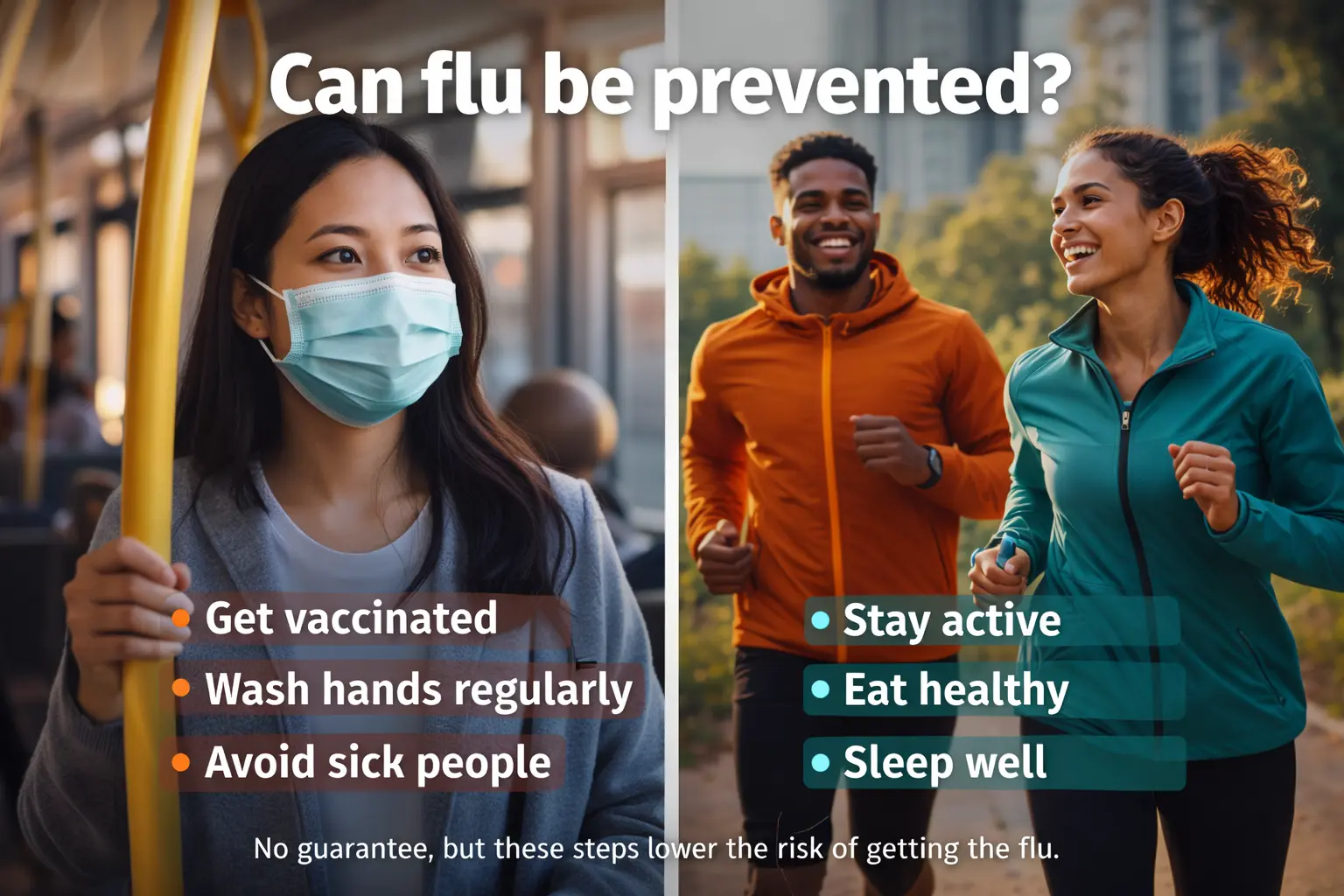
Every year around October, that familiar dread creeps in: flu season is coming, and you’re worried sick about catching it and being knocked out for weeks. The good news? Can flu be prevented naturally? Absolutely, and this guide shows you exactly how to protect yourself.
Vaccination recommendations for seniors
Annual flu vaccination stands as your strongest defense against seasonal influenza, particularly as your immune system naturally becomes less responsive with age. When you turn 65 or older, your body processes vaccines differently than it did in your younger years, which is why healthcare providers recommend vaccines specifically formulated for seniors. High-dose flu vaccines contain four times the antigen of standard vaccines, triggering a more robust immune response in older adults. Adjuvanted vaccines work by adding an ingredient that amplifies your immune system’s reaction, creating stronger protection. Picture this: Margaret, a 72-year-old retiree, received her standard flu shot for years without incident, but switched to a high-dose vaccine at her doctor’s suggestion and noticed she felt more energized that winter with no flu symptoms. The timing matters too. Getting vaccinated in September or early October gives your immune system time to build protection before flu peaks in December and January. Talk with your healthcare provider about which vaccine option suits your health history best, especially if you have chronic conditions like diabetes or heart disease.
- Consult your healthcare provider for personalized advice on flu vaccination.
- Consider high-dose or adjuvanted vaccines that are specially designed for seniors.
- Stay informed about the latest flu strains and vaccine updates to ensure optimal protection.
Healthy hygiene practices
Hand hygiene remains one of the most underestimated yet powerful tools in your flu prevention toolkit. The flu virus spreads primarily through respiratory droplets when someone coughs or sneezes, but it also lives on surfaces you touch daily: doorknobs, grocery cart handles, and handrails on public transportation. When you wash your hands with soap and warm water for at least 20 seconds, you physically remove the virus rather than simply killing it. Many seniors make the mistake of using hand sanitizer exclusively, which works in a pinch but doesn’t replace soap and water when your hands are visibly soiled. Consider this scenario: Robert, 68, started carrying a small bottle of hand sanitizer but continued touching his face while waiting in the doctor’s office. He caught the flu twice that season. After his daughter reminded him to wash his hands thoroughly before eating and after being in public spaces, he stayed healthy the following year. Beyond hand washing, maintain at least six feet of distance from people showing obvious flu symptoms like coughing or sneezing. If you live with family members or caregivers, establish a gentle boundary during flu season: ask them to wear a mask if they’re sick, and avoid sharing utensils, cups, or towels. These simple adjustments create a protective barrier without isolating you from daily life.
📘 Fix your day in under 2 minuteschoose where to begin:
Nutritional support for immune health
Your diet directly influences how well your immune system can fight off infection, and certain nutrients become increasingly important as you age. Vitamin C, found abundantly in citrus fruits, berries, and bell peppers, supports white blood cell function and helps your body respond quickly to invading viruses. Zinc, present in lean meats, shellfish, legumes, and seeds, plays a critical role in immune cell development and activation. Antioxidants like selenium and vitamin E protect your immune cells from damage caused by inflammation. Rather than chasing expensive supplements, focus on whole foods that deliver multiple nutrients in one meal. A practical example: instead of a plain chicken breast, pair it with roasted sweet potatoes and steamed broccoli, which together provide protein, vitamin C, and antioxidants. Many seniors fall into the trap of eating the same limited foods out of habit, which narrows their nutrient intake. Aim to eat a rainbow of vegetables and fruits throughout the week. Consider adding bone broth to your diet, which provides collagen and amino acids that support gut health, where roughly 70 percent of your immune system lives. Staying adequately hydrated also matters; dehydration thickens mucus in your respiratory tract, making it easier for viruses to take hold. Drink water consistently throughout the day, not just when you feel thirsty.
Regular exercise and stress management
Physical activity strengthens your immune system by promoting circulation, reducing inflammation, and helping your body clear pathogens more efficiently. You don’t need intense workouts; moderate exercise like brisk walking for 30 minutes most days significantly boosts immune function. Many seniors worry they’re too old to start exercising, but research consistently shows that people who begin moving regularly in their 60s and 70s experience rapid improvements in immune resilience. Walking outdoors offers additional benefits: sunlight exposure helps your body produce vitamin D, which regulates immune response. Chronic stress suppresses immune function by elevating cortisol levels, making you more vulnerable to catching the flu. Stress management techniques like meditation, gentle yoga, or tai chi calm your nervous system and maintain healthy immune signaling. Consider this: Helen, 71, started a daily 20-minute walk and joined a gentle yoga class twice weekly. Within two months, she reported better sleep, less anxiety, and notably, she avoided the flu that season while her sedentary friends fell ill. Even simple practices like deep breathing for five minutes when you feel worried can shift your body out of stress mode. Social connection also strengthens immunity, so exercise with friends or join a group class rather than exercising alone. The combination of movement, stress relief, and social engagement creates a powerful protective effect against seasonal illness.
Early symptom recognition and treatment
Recognizing flu symptoms early gives you a critical window to seek treatment and prevent serious complications. Flu typically begins suddenly with fever, body aches, fatigue, and a dry cough, unlike the common cold which develops gradually. Many seniors mistake early flu symptoms for normal aging or minor illness and delay seeking care, which is a costly mistake. Antiviral medications like oseltamivir work best when taken within 48 hours of symptom onset, significantly reducing how long you’re sick and lowering your risk of pneumonia or hospitalization. Picture this: When 74-year-old James woke with a fever and aching joints, he initially thought he’d slept wrong. His daughter insisted he call his doctor immediately, and he started antivirals that same day. He recovered in five days with minimal complications. Had he waited another day, he likely would have developed secondary pneumonia. Keep your doctor’s phone number easily accessible during flu season. If you develop fever above 101 degrees, persistent cough, shortness of breath, or chest pain, don’t wait to see if it improves on its own. Seniors face higher risks of flu complications including pneumonia, hospitalization, and even death, so erring on the side of caution is always wise. Stay home while sick to protect others, rest adequately, and drink plenty of fluids to help your body fight the infection effectively.
Flu prevention for seniors involves proactive measures such as annual vaccination, hygiene practices, nutritious diet, exercise, stress management, and early symptom recognition for timely treatment.
Are flu shots safe for seniors?
Yes, flu shots are considered safe for seniors and are recommended annually to protect against flu-related complications.
How can seniors boost their immune system naturally?
Seniors can enhance their immune system naturally through a balanced diet, regular exercise, stress management, and adequate rest to support overall health and resilience against infections.
Others also read:
Disclaimer: This article is for informational purposes only and is not a substitute for professional medical advice. Always consult a healthcare professional for personal guidance.
This guide has been prepared and reviewed by the GlobalHealthBeacon editorial team and reflects current medical research as of 2026. It provides structured, evidence-based information to support informed health decisions.
