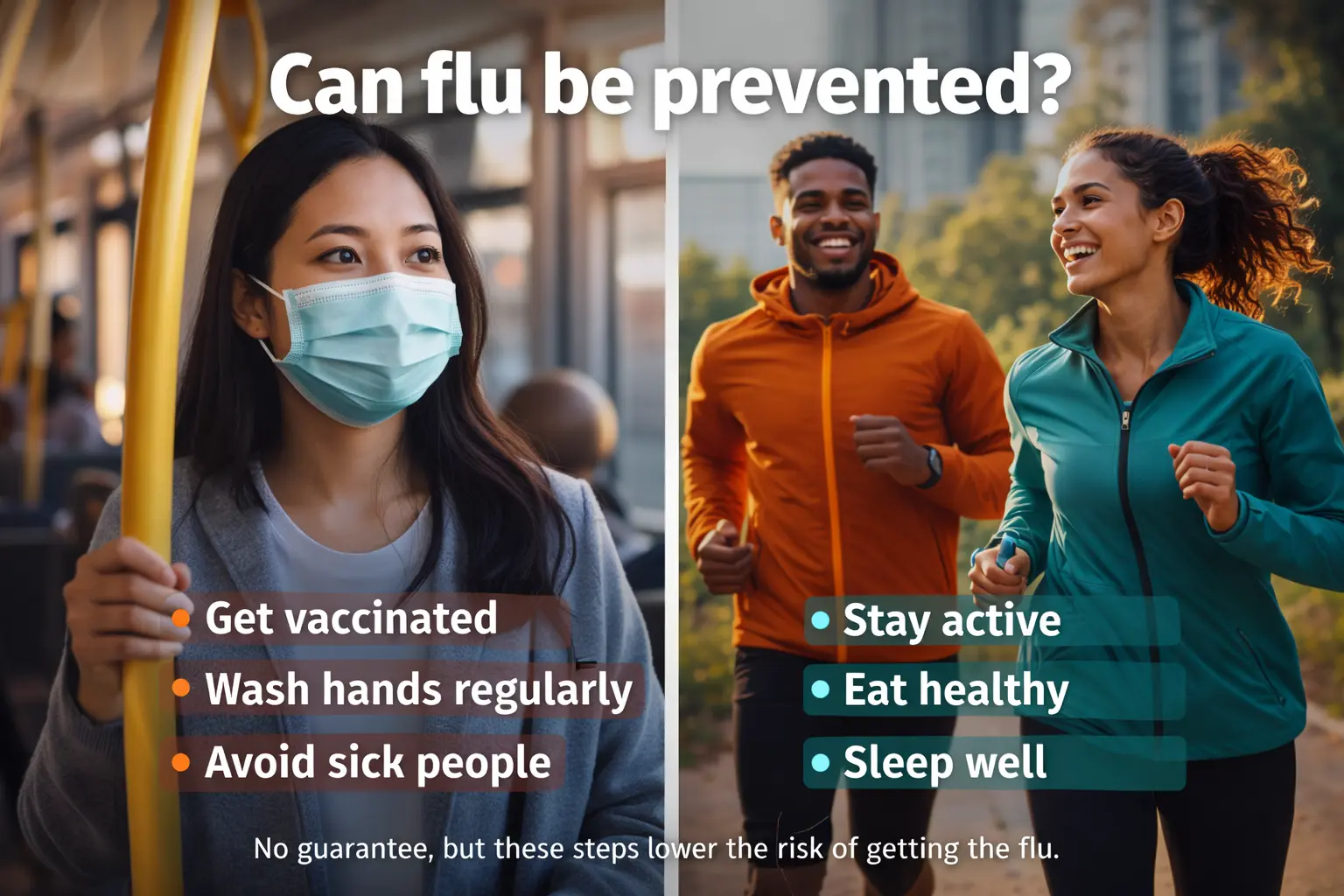
Every October you dread the season ahead, wondering if this year you’ll end up bedridden with the flu while your immune system struggles to fight back, but here’s what the science actually says: can flu be prevented, and the answer might surprise you.
The importance of flu prevention
The flu hits differently when you’re older. Influenza viruses, which cause the seasonal flu, can trigger serious complications in seniors because the immune system naturally weakens with age. Your body’s ability to fight off infections becomes less efficient, which is why a case of the flu that might last a week in a younger person can spiral into pneumonia, hospitalization, or worse in someone over 65. Consider Margaret, a 72-year-old who caught the flu in January. What started as body aches and fever developed into bronchitis within days. Understanding why prevention matters so much for your age group is the first step toward protecting yourself. The stakes are genuinely higher, which is why medical experts emphasize prevention as the primary strategy rather than waiting to treat the illness after it develops.
Vaccination: a crucial preventative measure
Annual flu vaccines represent one of the most researched and documented health interventions available to seniors. These vaccines work by introducing a weakened or inactive form of the influenza virus to your immune system, allowing it to recognize and respond quickly if exposed to the real virus later. For seniors, there are specific vaccine formulations designed to generate stronger immune responses. The high-dose flu vaccine contains four times the antigen of standard vaccines, while the recombinant flu vaccine uses a different manufacturing process that may provide better protection. Studies consistently show that vaccinated seniors have 40 to 60 percent lower risk of flu illness compared to unvaccinated peers. Think of vaccination as giving your immune system a training session before the actual game. Even if you do catch the flu after vaccination, the illness tends to be milder and complications are less likely. Getting vaccinated each fall, before flu season peaks in winter, is the evidence-based foundation of flu prevention for your age group.
Natural ways to boost immunity
Beyond vaccination, your daily habits create the environment where your immune system can function optimally. A balanced diet rich in fruits, vegetables, lean proteins, and whole grains provides the vitamins and minerals your body needs to mount an effective immune response. Specific nutrients like vitamin D, zinc, and selenium play direct roles in immune function. Physical activity, even moderate exercise like a 30-minute daily walk, enhances circulation and helps immune cells move through your body more effectively. Sleep is where the real magic happens, though. During deep sleep, your body produces cytokines, which are signaling molecules that coordinate immune responses. Seniors who sleep six to eight hours nightly show stronger flu vaccine responses than those who are chronically sleep-deprived. Stress management also matters because chronic stress suppresses immune function. Consider a 68-year-old named Robert who started a morning walking routine, improved his sleep hygiene, and added more vegetables to his diet. When flu season arrived, he stayed healthy while friends around him got sick. These lifestyle factors work synergistically with vaccination to create a comprehensive defense strategy.
- Eat a balanced diet rich in fruits and vegetables.
- Stay physically active to enhance immune function.
- Get enough sleep to support overall health.
🔬 Science-backed benefits in 2 minuteschoose where to begin:
Good hygiene practices
Hygiene is your daily shield against viral transmission. Regular handwashing, especially before eating and after being in public spaces, physically removes viruses from your skin before they can enter your body through your mouth or eyes. The flu virus survives on hard surfaces like doorknobs and handrails for several hours, so wiping down frequently touched items in your home reduces transmission risk. Avoiding close contact with people showing respiratory symptoms is straightforward but often overlooked. If someone in your household is sick, keeping distance and having them use separate dishes and towels prevents spread. During peak flu season, some seniors choose to limit time in crowded indoor spaces like shopping malls or public transit. Wearing a mask in high-risk settings, particularly if you’re immunocompromised or caring for vulnerable family members, adds another layer of protection. These practices aren’t about living in fear or isolation, but rather making smart, practical choices that acknowledge how viruses spread. Combined with vaccination and immune-supporting habits, good hygiene creates multiple barriers that significantly reduce your likelihood of infection.
Seek medical advice promptly
Even with all preventative measures in place, some seniors do develop flu symptoms. Recognizing the signs early and seeking medical attention quickly can make a substantial difference in outcomes. Flu symptoms in seniors include sudden fever, body aches, fatigue, cough, and sometimes gastrointestinal symptoms. The key is acting fast. Antiviral medications like oseltamivir are most effective when started within 48 hours of symptom onset, and they can reduce illness duration and lower complication risk. Don’t wait to see if symptoms improve on their own. Contact your doctor or visit an urgent care clinic as soon as you notice flu-like symptoms, especially if you have underlying health conditions like diabetes or heart disease. Your healthcare provider can test for influenza, confirm the diagnosis, and prescribe antivirals if appropriate. Early intervention isn’t just about feeling better faster, it’s about preventing pneumonia, hospitalization, and serious complications that can have lasting effects on your health and independence.
Conclusion
Preventing the flu as a senior is absolutely achievable when you combine multiple evidence-based strategies. Vaccination provides your immune system with specific preparation against circulating flu strains. Daily habits like nutritious eating, regular movement, and quality sleep create the biological conditions where your immune system thrives. Practical hygiene measures reduce your exposure to the virus. And knowing when to seek medical help ensures that if illness does occur, you get prompt treatment. This isn’t about becoming obsessive or fearful. It’s about taking reasonable, scientifically-supported steps that reflect your age and health status. Thousands of seniors successfully avoid the flu each year by following these principles. You can too. The evidence is clear, the strategies are straightforward, and the payoff is significant: staying healthy, maintaining your independence, and enjoying your life without the disruption and risk that influenza brings.
Flu prevention for seniors involves a multi-layered approach combining annual vaccination, immune-supporting lifestyle habits, good hygiene practices, and prompt medical attention if symptoms develop. Evidence shows these strategies substantially reduce flu risk and complications in older adults.
Are flu vaccines safe for seniors?
Yes, flu vaccines are safe and specifically recommended for seniors. Vaccines designed for older adults, such as high-dose and recombinant formulations, are well-tolerated and provide stronger immune responses. Side effects are typically mild, such as arm soreness or low-grade fever, and serious adverse events are extremely rare.
How can seniors boost their immune system naturally?
Seniors can support immune function through consistent habits: eating a nutrient-rich diet with fruits, vegetables, and lean proteins; engaging in regular physical activity like walking; maintaining seven to eight hours of quality sleep nightly; managing stress through relaxation techniques; and practicing good hygiene. These habits work best alongside vaccination.
Others also read:
Disclaimer: This article is for informational purposes only and is not a substitute for professional medical advice. Always consult a healthcare professional for personal guidance.
This article has been prepared and reviewed by the GlobalHealthBeacon editorial team and is based on current medical research and published scientific literature available in 2026. It provides structured, evidence-based information to support informed health decisions.
