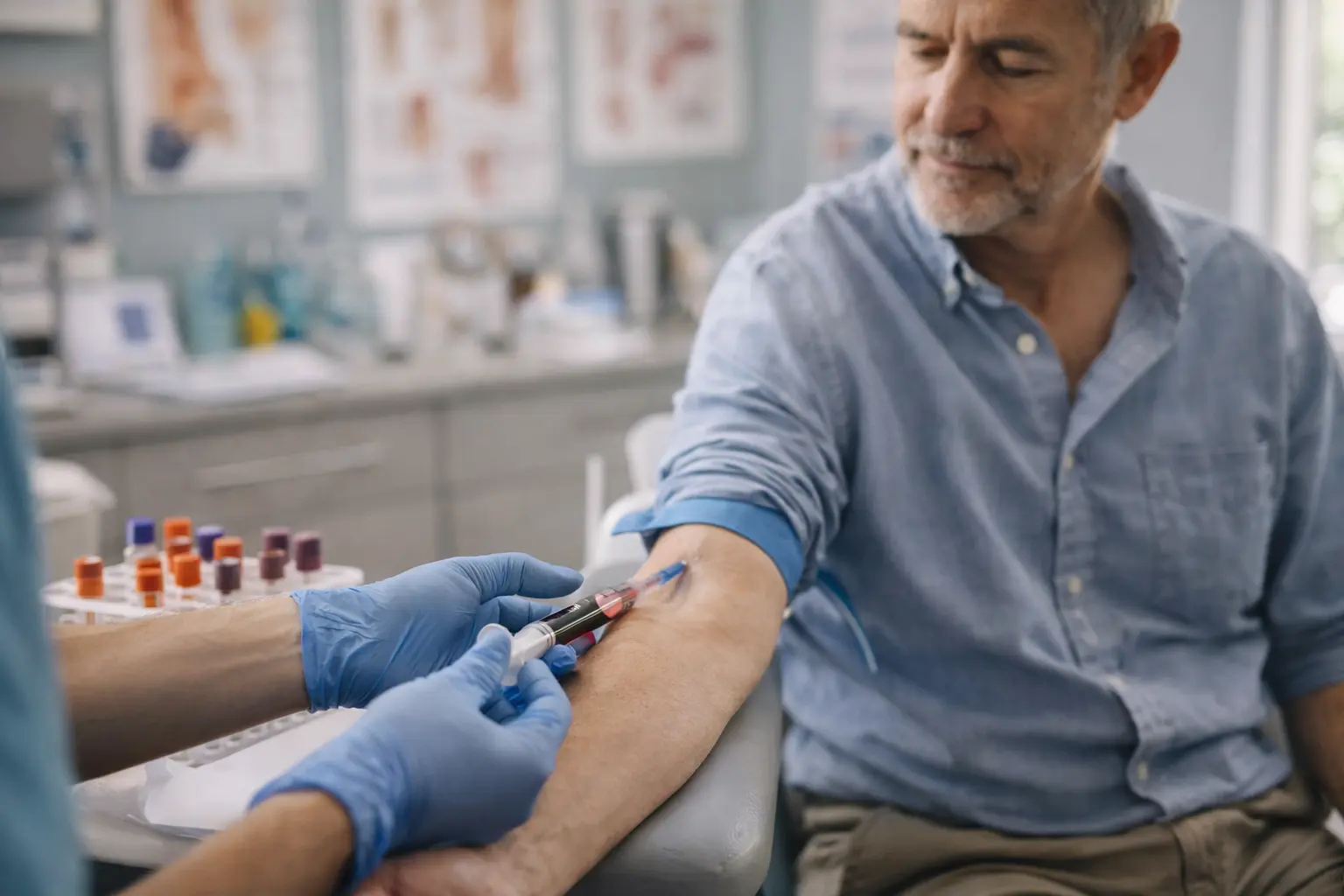
You’re sitting in your doctor’s office feeling that familiar knot in your stomach, wondering if your heart is really okay, and suddenly she mentions you need a cholesterol test lipid panel to find out where you actually stand.
Understanding cholesterol tests: what you need to know
A cholesterol test, also called a lipid panel, measures the fatty substances flowing through your bloodstream that directly impact your heart health. When you get this test, your doctor is essentially taking a snapshot of three key players: LDL cholesterol (the kind that builds up in your arteries), HDL cholesterol (the protective kind that clears things out), and triglycerides (another fat that matters). Think of it like checking your car’s oil, transmission fluid, and coolant all at once. Many women describe the actual blood draw as quick and unremarkable, but the waiting for results feels eternal. Understanding what those numbers mean empowers you to have real conversations with your healthcare provider about your individual risk factors. Your age, family history, lifestyle, and existing health conditions all influence what healthy numbers look like for you specifically.
- Know your cholesterol levels: LDL, HDL, and total cholesterol
- Understand the impact of diet and exercise on cholesterol
- Learn how cholesterol levels can affect your heart health
Debunking common myths about cholesterol testing
Here’s what keeps many women up at night: the belief that cholesterol issues only happen to older women or those who are overweight. That’s simply not true, and it’s a dangerous assumption that delays important screening. Women in their twenties and thirties with family histories of heart disease can absolutely have elevated cholesterol. Another myth suggests that if you feel fine, your cholesterol must be fine too. The reality is cholesterol buildup happens silently, without symptoms, which is exactly why regular testing matters. Some women worry that high cholesterol means they’re doomed, but that’s where the power lies. Cholesterol levels are one of the few health markers you can actively influence through diet changes, exercise, stress management, and sometimes medication. Debunking these myths removes the shame and fear that often prevents women from getting tested in the first place.
💬 Ready to feel better in 2 minutes?choose where to begin:
Taking action: steps to improve your cholesterol levels
Getting results that show elevated cholesterol can feel defeating, but it’s actually the moment your real power begins. Start by looking at your plate. Swapping saturated fats for heart-healthy options like olive oil, nuts, and fatty fish like salmon creates tangible change. One woman shared how simply adding a 30-minute walk most days of the week, combined with eating more vegetables and less processed food, brought her LDL down significantly within three months. Movement matters too. You don’t need intense gym sessions; consistent, moderate activity like brisk walking, cycling, or swimming works. Managing stress through yoga, meditation, or even time in nature helps because chronic stress elevates cholesterol. Your healthcare provider can help you create a personalized roadmap that fits your actual life, not some impossible ideal. Sometimes lifestyle changes alone work; sometimes medication becomes part of the picture. Either way, you’re taking control.
Empowering women through knowledge: the importance of regular screening
Regular cholesterol testing transforms you from someone anxiously wondering about your health into someone who actually knows her numbers and can act on them. Women who get screened regularly report feeling more confident in their health decisions and less blindsided by unexpected health issues. The screening schedule matters: most guidelines suggest starting at age 20 and checking every four to six years, though your doctor might recommend more frequent testing based on your personal risk factors. Think of these appointments as checkpoints where you’re actively preventing disease rather than discovering it too late. Each test gives you data to track whether your lifestyle changes are working or if adjustments are needed. Over time, watching your numbers improve becomes motivating. You’re not just following medical advice; you’re witnessing your own body respond to the care you’re giving it. That’s the real power of staying proactive.
Understanding cholesterol tests is essential for women’s heart health. By debunking myths, taking action to improve cholesterol levels, and staying proactive through regular screening, women can empower themselves to lead healthier lives.
At what age should women start getting cholesterol tests?
It is recommended that women start getting cholesterol tests at age 20, and then regularly every 4-6 years. However, if there are risk factors for heart disease, screening may be more frequent.
Are cholesterol tests painful?
Cholesterol tests are simple blood tests that involve a quick needle prick. While some discomfort may be felt during the blood draw, the procedure is generally painless.
Others also read:
Disclaimer: This article is for informational purposes only and is not a substitute for professional medical advice. Always consult a healthcare professional for personal guidance.
This article presents an experience-based perspective and has been reviewed by the GlobalHealthBeacon editorial team in 2026. It provides structured, evidence-based information to support informed health decisions.
