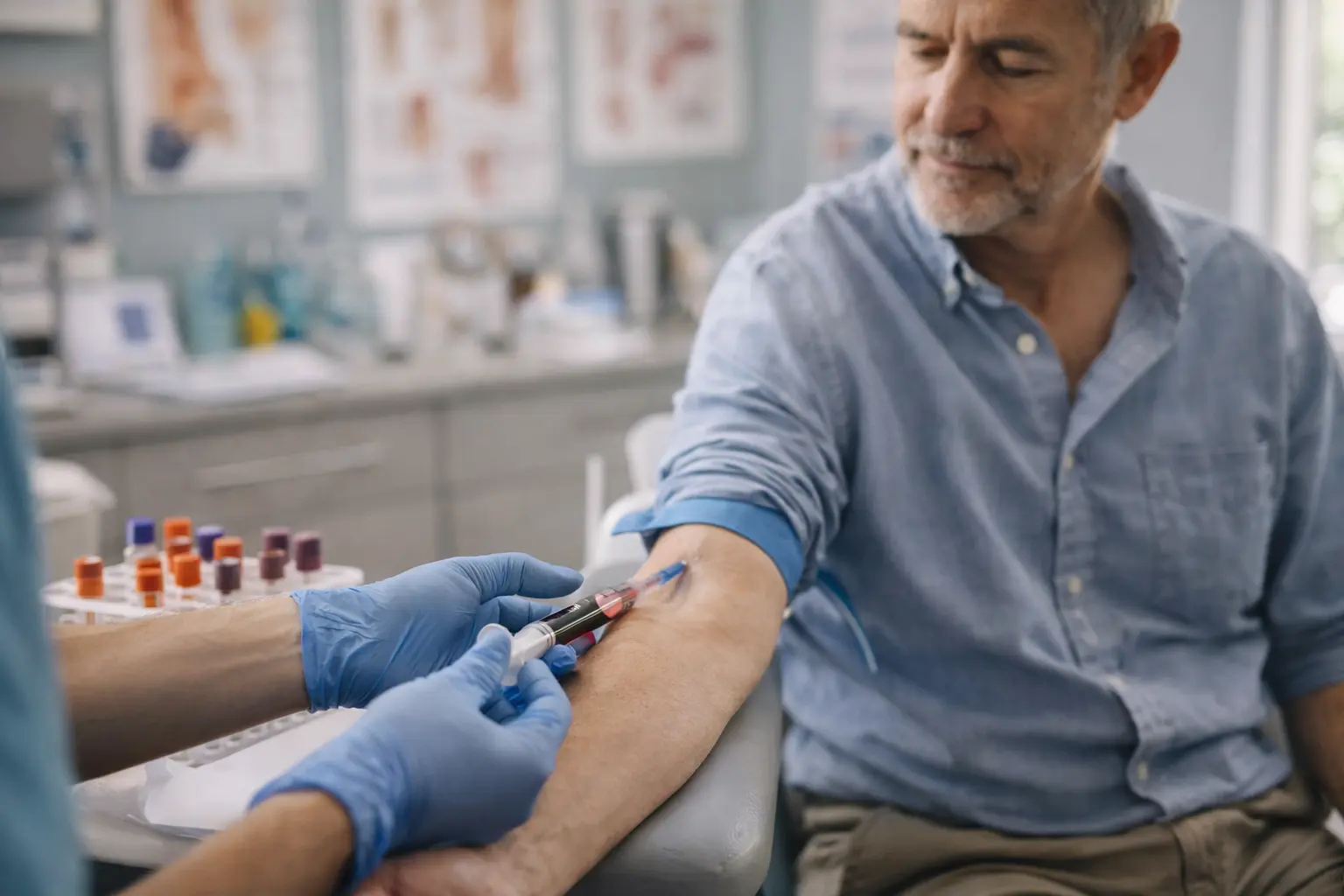
Your doctor mentioned your cholesterol levels might be creeping up, and now you’re staring at a cholesterol test lipid panel appointment wondering what you actually need to do to prepare and what those numbers will even mean when they come back.
Preparing for your cholesterol test
The night before your test, you’ll want to stop eating around 9 PM if your appointment is early morning. This 9 to 12 hour fasting window is crucial because food, especially fatty meals, can temporarily spike your triglyceride numbers and throw off your results. Think of it like this: if you ate a heavy dinner the night before, your bloodwork might show cholesterol levels that don’t actually represent your typical day-to-day state. Water is your friend during this time, so drink normally to stay hydrated and make the blood draw easier for the phlebotomist. The morning of your test, skip your coffee, tea, and breakfast entirely. Many women make the mistake of thinking a light snack won’t matter, but even a small amount of food can affect accuracy. Before you head out, wear a short-sleeved or loose-fitting top so the lab technician can access your arm easily without you having to remove layers. Also, let your healthcare provider know about any medications you’re currently taking, including birth control pills, hormone replacement therapy, or blood pressure medications, as some can influence cholesterol readings.
- Avoid consuming any food or drink except water during the fasting period.
- Notify your healthcare provider about any medications you are taking as certain drugs can impact cholesterol levels.
- Wear loose-fitting clothes to ease the blood draw process.
Understanding your results
When your results arrive, you’ll see four main numbers staring back at you: total cholesterol, LDL cholesterol, HDL cholesterol, and triglycerides. Total cholesterol is the sum of all cholesterol types in your blood, and according to the American Heart Association, a level below 200 mg/dL is considered desirable. But here’s where it gets interesting: that total number alone doesn’t tell the whole story. A woman with a total cholesterol of 210 might actually be in better health than someone with 180 if her HDL is high and her LDL is low. It’s like looking at a bank account balance without knowing how much is in savings versus debt. Your results will also show your cholesterol ratio, which compares total cholesterol to HDL. A ratio below 5 is generally good, and below 3.5 is excellent. Don’t panic if your numbers aren’t perfect on the first test. Many women find that stress, sleep deprivation, or being sick in the days before testing can temporarily raise cholesterol. If your numbers are concerning, your doctor will likely recommend a repeat test in a few weeks to confirm the results before suggesting major interventions.
📘 Fix your day in under 2 minuteschoose where to begin:
Interpreting HDL and LDL levels
HDL is your protective cholesterol, the one that actually clears harmful cholesterol from your arteries and carries it to your liver for disposal. Higher HDL levels are genuinely better, and women should aim for HDL above 50 mg/dL, though 60 mg/dL or higher is ideal for heart disease protection. LDL, by contrast, is the cholesterol that builds up in your artery walls and creates plaque, narrowing blood vessels over time. Your LDL target depends on your overall health risk, but generally under 100 mg/dL is optimal. If you have existing heart disease or multiple risk factors, your doctor might want it even lower. Here’s a practical example: imagine Sarah, a 52-year-old woman with high blood pressure and a family history of heart disease. Her results show total cholesterol of 220, LDL of 145, and HDL of 35. Even though her total cholesterol isn’t drastically high, her low HDL and elevated LDL put her at real risk. In contrast, her friend Maria has a total cholesterol of 230 but an LDL of 110 and HDL of 75, making her profile much healthier despite the higher total number. This is why your doctor looks at the full picture, not just one number.
Making lifestyle changes
If your cholesterol needs improvement, you don’t have to overhaul your entire life overnight. Start by looking at what you’re eating and making small swaps that stick. Replace refined carbohydrates with whole grains, add more leafy greens and colorful vegetables to your plate, and choose lean proteins like chicken breast, fish, and legumes instead of red meat. Fatty fish like salmon and mackerel contain omega-3 fatty acids that actively help lower triglycerides and improve HDL. Aim to eat fish twice a week. Cut back on saturated fats found in butter, full-fat dairy, and fatty cuts of meat, and eliminate trans fats from processed foods and fried items entirely. Exercise doesn’t need to be intense. Even 30 minutes of brisk walking five days a week can raise your HDL and lower your LDL. Many women find that combining cardio with strength training twice a week gives the best results. Weight loss, even just 5 to 10 percent of your body weight, can meaningfully improve your cholesterol profile. Stress management matters too. High stress elevates cortisol, which can trigger cholesterol production. Try meditation, yoga, or simply spending time on hobbies you enjoy. Sleep is equally important, as poor sleep disrupts the hormones that regulate cholesterol.
Tracking progress and follow-up
After you’ve made changes, schedule a follow-up cholesterol test in 6 to 12 weeks to see if your efforts are working. This timeframe gives your body enough time to respond to diet and exercise changes. Your healthcare provider will tell you how often you need testing based on your individual situation. If your cholesterol is well-controlled, you might only need testing every five years. If you’re managing elevated cholesterol or have risk factors, annual testing is more typical. Keep a simple log of what you’re doing: your exercise routine, dietary changes, stress levels, and sleep quality. When you get your next results, you’ll have concrete evidence of what’s working. Some women find that tracking helps them stay motivated, especially when they see their HDL creep up or their LDL drop. If lifestyle changes alone aren’t enough after three to six months, your doctor might recommend medication like statins. This isn’t a failure. Many women benefit from medication combined with healthy habits. The goal is to find what works for your body and your life, not to achieve perfection.
Understanding your cholesterol test lipid panel results and taking proactive steps to improve your heart health can lead to better overall well-being. Remember to fast before the test, interpret your results carefully, make lifestyle adjustments, and monitor progress through follow-up tests.
How often should I get a cholesterol test?
It is recommended to get a cholesterol test at least once every five years for individuals aged 20 and above, or more frequently if you have risk factors such as obesity or a family history of heart disease.
Can I eat or drink anything before a cholesterol test?
For accurate results, it is essential to fast for 9-12 hours before a cholesterol test, only consuming water. Check with your healthcare provider if any specific restrictions apply to your situation.
Others also read:
Disclaimer: This article is for informational purposes only and is not a substitute for professional medical advice. Always consult a healthcare professional for personal guidance.
This guide has been prepared and reviewed by the GlobalHealthBeacon editorial team and reflects current medical research as of 2026. It provides structured, evidence-based information to support informed health decisions.
