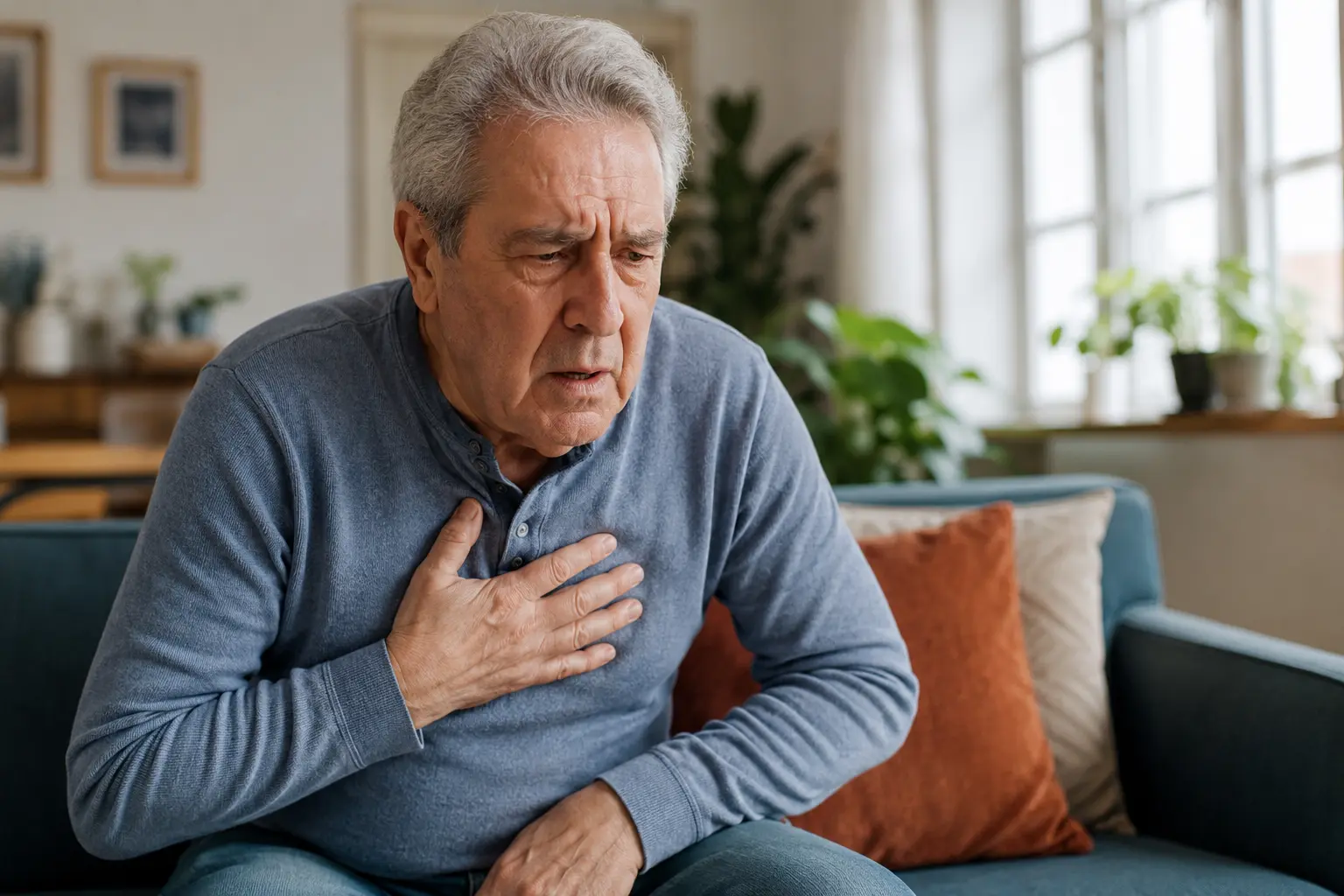
When every breath feels like work and you’re constantly worried about what’s happening in your lungs, chronic lung disease explained becomes less about medical jargon and more about getting your life back.
Understanding chronic lung disease
Chronic lung disease isn’t just one condition. It’s a family of disorders including COPD, asthma, and pulmonary fibrosis that gradually make breathing harder over time. Think of your lungs like tiny air sacs that should inflate and deflate smoothly. With chronic lung disease, these sacs lose their elasticity or get blocked by inflammation, making oxygen exchange less efficient. A 72-year-old former construction worker might notice he can’t climb stairs without stopping for breath. A 68-year-old woman who never smoked might develop pulmonary fibrosis after years of exposure to dust at her job. Understanding what’s happening inside your chest helps you recognize patterns, anticipate flare-ups, and work with your doctor more effectively. The key is knowing that these conditions develop gradually, often silently, which is why early detection matters so much for seniors.
- Identify common risk factors like smoking, pollution, occupational exposure, and genetic predisposition.
- Learn about the symptoms including shortness of breath, chest tightness, persistent cough, and fatigue.
- Understand the impact of chronic lung disease on daily activities, sleep quality, and overall quality of life.
Medical treatments and therapies
Your doctor has several proven tools to help you breathe easier. Bronchodilators work like a key in a lock, opening up your airways so air flows more freely. Inhaled steroids reduce the inflammation that’s making your lungs stiff. Oxygen therapy, delivered through a portable concentrator or at home, ensures your blood gets the oxygen it needs even when your lungs can’t deliver it efficiently. Consider Margaret, a 75-year-old with moderate COPD who uses a combination inhaler twice daily and oxygen at night. Within weeks of starting this regimen, she noticed she could walk to her mailbox without stopping. Pulmonary rehabilitation programs teach you breathing techniques, help you build stamina through supervised exercise, and show you how to pace yourself during daily tasks. These programs often include working with respiratory therapists who teach pursed-lip breathing and other strategies that make a real difference. Many seniors find that combining medications with structured breathing exercises creates the best outcome.
📘 Fix your day in under 2 minuteschoose where to begin:
Lifestyle modifications
The choices you make daily matter more than you might think. Quitting smoking, even after decades, improves lung function within weeks. Your lungs start clearing out accumulated damage, and your oxygen levels rise. Walking 20 to 30 minutes most days strengthens your respiratory muscles and improves your cardiovascular system’s efficiency. A 70-year-old man with asthma started a gentle walking routine and noticed he needed his rescue inhaler less frequently within a month. Eating foods rich in antioxidants like berries, leafy greens, and fatty fish reduces inflammation in your airways. Staying hydrated helps thin mucus so you can clear it more easily. Avoiding air pollution, secondhand smoke, and strong chemical fumes protects your lungs from additional irritation. Many seniors find that making one small change first, like adding a 15-minute walk to their routine, builds momentum for other healthy choices. The goal isn’t perfection but consistent, sustainable habits that support your breathing.
Alternative therapies
While conventional medicine should always be your foundation, some complementary approaches offer real relief for many seniors. Acupuncture may help reduce inflammation and improve breathing patterns in some people. Herbal remedies like ginger tea or eucalyptus steam can soothe irritated airways, though you should always check with your doctor before trying anything new. Meditation and slow breathing exercises calm your nervous system, which often tightens your chest when you’re anxious about breathing. A 73-year-old woman with COPD started a gentle yoga practice focusing on breath awareness and found her anxiety about breathing episodes decreased significantly. Massage therapy can help loosen tight chest muscles that restrict breathing. These approaches work best as additions to your prescribed medications and treatments, not replacements. Think of them as tools that help you feel more in control and more comfortable while your medical treatments do the heavy lifting. Always inform your doctor about any alternative therapies you’re considering to ensure they don’t interfere with your medications.
Educational resources and support groups
You don’t have to navigate this alone. Support groups, whether meeting in person at your local hospital or connecting online, connect you with people who truly understand what you’re experiencing. They share practical tips like how to travel with oxygen equipment or manage symptoms during winter months. Educational resources from organizations like the American Lung Association provide evidence-based information you can trust. Many hospitals offer free pulmonary rehabilitation classes specifically designed for seniors. A 76-year-old man attended his first support group meeting nervous and uncertain, but within an hour he was swapping strategies with others and feeling less isolated. These connections reduce anxiety, improve medication adherence, and often motivate you to stick with lifestyle changes. Your doctor can refer you to local programs, or you can search online for groups in your area. Having a community of people who get it transforms how you experience your condition from something isolating into something manageable.
Chronic lung disease encompasses a range of conditions affecting respiratory function. By understanding the causes, symptoms, and available treatments including medical interventions, lifestyle modifications, alternative therapies, and community support, seniors can effectively manage their condition for improved quality of life.
What are the common risk factors for chronic lung disease?
Common risk factors for chronic lung disease include smoking, exposure to air pollution, occupational hazards, genetic predisposition, and respiratory infections.
Can alternative therapies effectively treat chronic lung diseases?
While alternative therapies like acupuncture, herbal remedies, and meditation may provide symptom relief, they are best used in combination with conventional medical treatments for the management of chronic lung diseases.
Others also read:
Disclaimer: This article is for informational purposes only and is not a substitute for professional medical advice. Always consult a healthcare professional for personal guidance.
This guide has been prepared and reviewed by the GlobalHealthBeacon editorial team and reflects current medical research as of 2026. It provides structured, evidence-based information to support informed health decisions.
