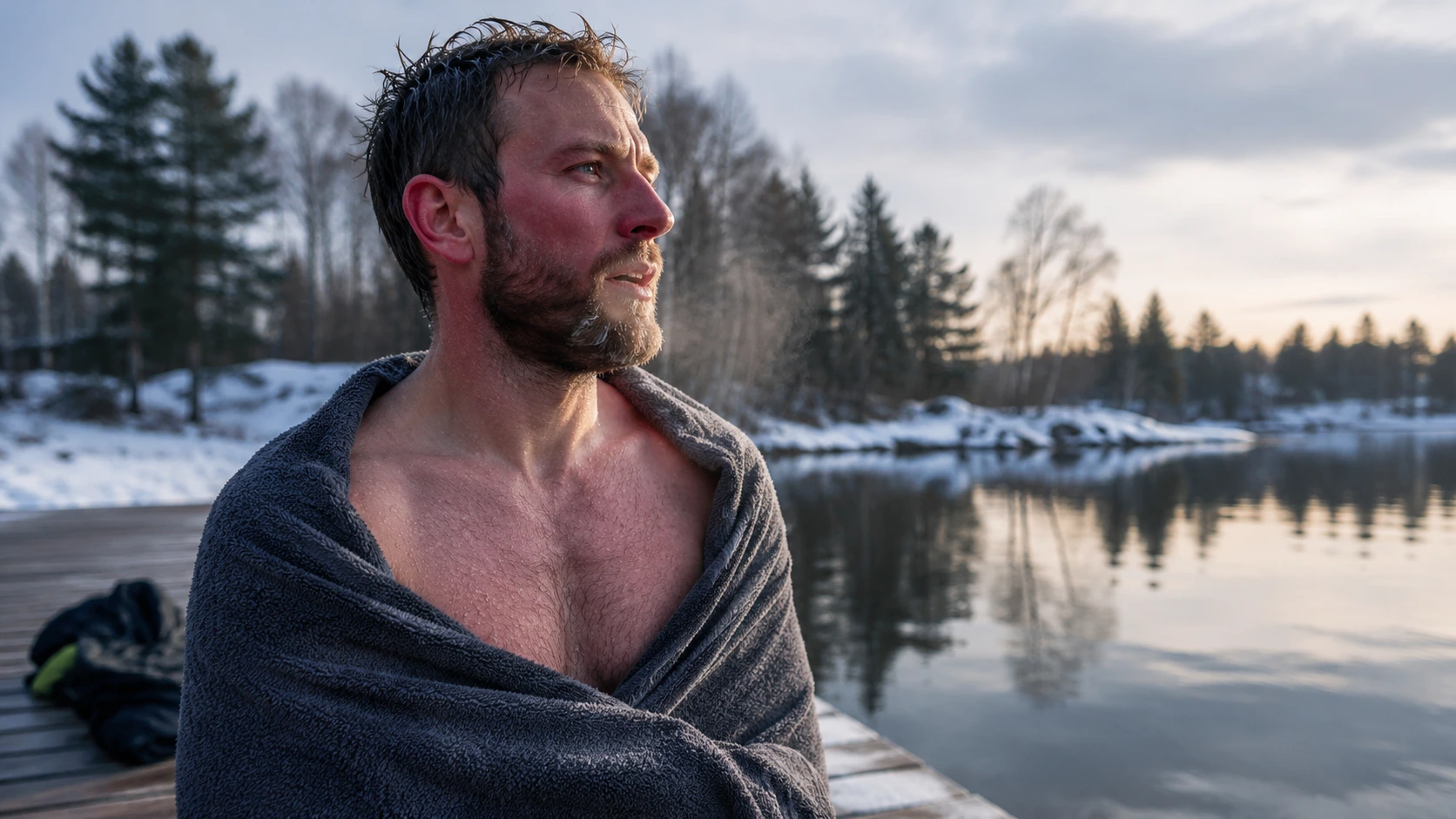
Your fingers go numb, your chest tightens, and that bone-deep chill just won’t quit – cold exposure health effects are real, and they hit differently as you get older, so let’s talk about what’s actually happening inside your body when winter arrives.
The basics of cold exposure
When cold air hits your skin, your body doesn’t just shiver and hope for the best. Instead, a sophisticated survival mechanism kicks in almost instantly. Your blood vessels constrict, narrowing to push blood away from your extremities and toward your vital organs, preserving core temperature at all costs. Meanwhile, your muscles begin rapid, involuntary contractions – that shivering you feel – which generates heat through friction. Your metabolism accelerates dramatically, burning more calories to produce warmth. For a 70-year-old sitting on a winter porch, this might mean their heart rate jumps from 60 to 85 beats per minute within minutes. The thyroid releases hormones that signal cells to work harder. Adrenaline surges. Your body is essentially in a controlled emergency state, mobilizing every resource to maintain the 98.6 degrees Fahrenheit your brain demands. This response evolved over millennia to keep us alive, but understanding it helps explain why cold feels so demanding on aging bodies.
Impact on cardiovascular health
Your heart is particularly vulnerable to cold stress, and this vulnerability increases with age. When exposed to cold, your blood pressure can spike 10 to 20 points within minutes as vessels constrict and your heart pumps harder to maintain circulation. For seniors, this creates a genuine challenge. Age-related stiffening of arteries means blood vessels don’t respond as flexibly to these demands. Someone with existing hypertension or heart disease faces compounded risk. Consider a 75-year-old with mild coronary artery disease stepping outside on a 20-degree morning. The sudden cold exposure triggers vasoconstriction, increasing resistance in the arteries. The heart must work harder, oxygen demand rises, and if blood flow to heart muscle is already compromised, chest discomfort or irregular heartbeats can result. Research shows that heart attacks and strokes increase measurably during cold months, particularly in people over 65. The cardiovascular system in older adults has less reserve capacity, meaning it’s already working closer to its maximum. Cold exposure pushes it further, which is why monitoring how you feel during winter matters so much.
Mitigating the risks
Protecting yourself from cold exposure requires a practical, layered approach that goes beyond just throwing on a coat. The foundation is layering: a moisture-wicking base layer pulls sweat away from skin, an insulating middle layer traps warm air, and a windproof outer layer blocks heat loss. Think of it like building an insulation system for your home. Movement is equally critical because muscle contractions generate heat. A 10-minute walk at a moderate pace can raise your core temperature noticeably. Staying dry is non-negotiable since wet clothing conducts heat away from your body 25 times faster than dry fabric. Hydration supports your body’s thermoregulation system, which relies on adequate blood volume to distribute heat effectively. Many seniors underestimate how much fluid they lose in cold weather because they don’t feel as thirsty. Finally, knowing the warning signs of hypothermia – confusion, slurred speech, extreme fatigue – and frostbite – numbness, waxy skin, blistering – allows you to catch problems early. These aren’t just precautions; they’re the difference between a safe winter and a medical emergency.
- Dress in layers to trap heat.
- Keep moving to generate warmth.
- Stay dry to prevent heat loss through moisture.
🔬 Science-backed benefits in 2 minuteschoose where to begin:
Respiratory effects of cold exposure
Cold air entering your lungs triggers a reflex that many people experience as a sharp intake of breath or sudden tightness in the chest. What’s happening is that cold, dry air irritates the airways, causing the smooth muscles surrounding your bronchi to contract in a response called bronchospasm. For healthy seniors, this might be nothing more than an uncomfortable sensation. But for someone with COPD, asthma, or chronic bronchitis, cold exposure can trigger a genuine exacerbation. A 68-year-old with mild asthma might find that a brisk walk in 30-degree weather leaves them wheezing for 20 minutes afterward. The cold air bypasses the upper airway’s natural warming and humidifying function when you breathe through your mouth, hitting the lower airways unprepared. Wearing a scarf or mask over your mouth and nose warms and humidifies incoming air before it reaches your lungs. Some people benefit from using a bronchodilator inhaler before cold exposure. Understanding your personal respiratory sensitivity to cold helps you plan outdoor activities strategically and avoid unnecessary flare-ups that could sideline you for days.
Cold exposure and immune function
The relationship between cold and immunity is surprisingly nuanced and often misunderstood. Short-term cold exposure actually activates your immune system in measurable ways. Brief exposure to cold triggers the release of immune-boosting hormones and increases white blood cell activity. Some research suggests that regular, controlled cold exposure might enhance immune resilience. However, prolonged or extreme cold exposure tells a different story. Chronic cold stress suppresses immune function, leaving you more vulnerable to infections. For seniors, whose immune systems are already less robust than younger adults, this balance becomes critical. A 72-year-old who spends 45 minutes shoveling snow in freezing temperatures isn’t just risking cardiovascular strain; they’re also temporarily suppressing their immune defenses. The stress hormones released during prolonged cold exposure divert resources away from immune cell production. The key for older adults is finding the sweet spot: enough cold exposure to potentially benefit immune function, but not so much that it becomes immunosuppressive. This might mean shorter outdoor sessions in winter, with adequate recovery time indoors, rather than extended exposure.
Metabolic considerations
Brown fat, sometimes called metabolically active fat, burns calories to generate heat in a process called thermogenesis. Cold exposure activates brown fat, which is why your metabolism temporarily increases when you’re cold. This sounds beneficial, and in theory, regular cold exposure could support metabolic health. However, the reality for aging bodies is more complex. Seniors naturally lose muscle mass and brown fat with age, a process called sarcopenia. While cold exposure might activate remaining brown fat, the overall metabolic benefit is modest compared to younger adults. Additionally, the metabolic stress of cold exposure requires your body to work harder, which can be taxing on systems already managing age-related changes. A 70-year-old’s metabolism might increase by 15 percent during cold exposure, but this comes at a cardiovascular and thermoregulatory cost that may outweigh the benefit. Rather than relying on cold exposure for metabolic benefits, seniors typically see better results from consistent physical activity, adequate protein intake, and strength training, which preserve muscle and metabolic function more effectively than cold-induced thermogenesis.
Cold exposure triggers a cascade of physiological responses that impact cardiovascular health, respiratory function, immune responses, and metabolism in seniors. Understanding these effects helps you make informed decisions about winter activities. By dressing strategically, staying active indoors when necessary, monitoring your body’s signals, and knowing your personal risk factors, you can navigate cold weather with confidence rather than fear.
How can seniors protect themselves from the negative effects of cold exposure?
Seniors can protect themselves by dressing in layers with moisture-wicking base layers, staying active to generate internal heat, monitoring for signs of hypothermia or frostbite, ensuring proper hydration to support thermoregulation, and limiting time outdoors during extreme cold. Wearing a scarf or mask over your mouth protects your respiratory system, and keeping dry is essential since wet clothing accelerates heat loss.
Does cold exposure have any positive effects on seniors’ health?
Cold exposure can stimulate brown fat activation and temporarily boost immune responses in the short term. However, seniors should balance these potential benefits carefully against the risks of prolonged exposure, which can suppress immune function and stress the cardiovascular system. For most older adults, the benefits of other activities like regular exercise and strength training outweigh the metabolic gains from cold exposure.
Others also read:
Disclaimer: This article is for informational purposes only and is not a substitute for professional medical advice. Always consult a healthcare professional for personal guidance.
This article has been prepared and reviewed by the GlobalHealthBeacon editorial team and is based on current medical research and published scientific literature available in 2026. It provides structured, evidence-based information to support informed health decisions.
