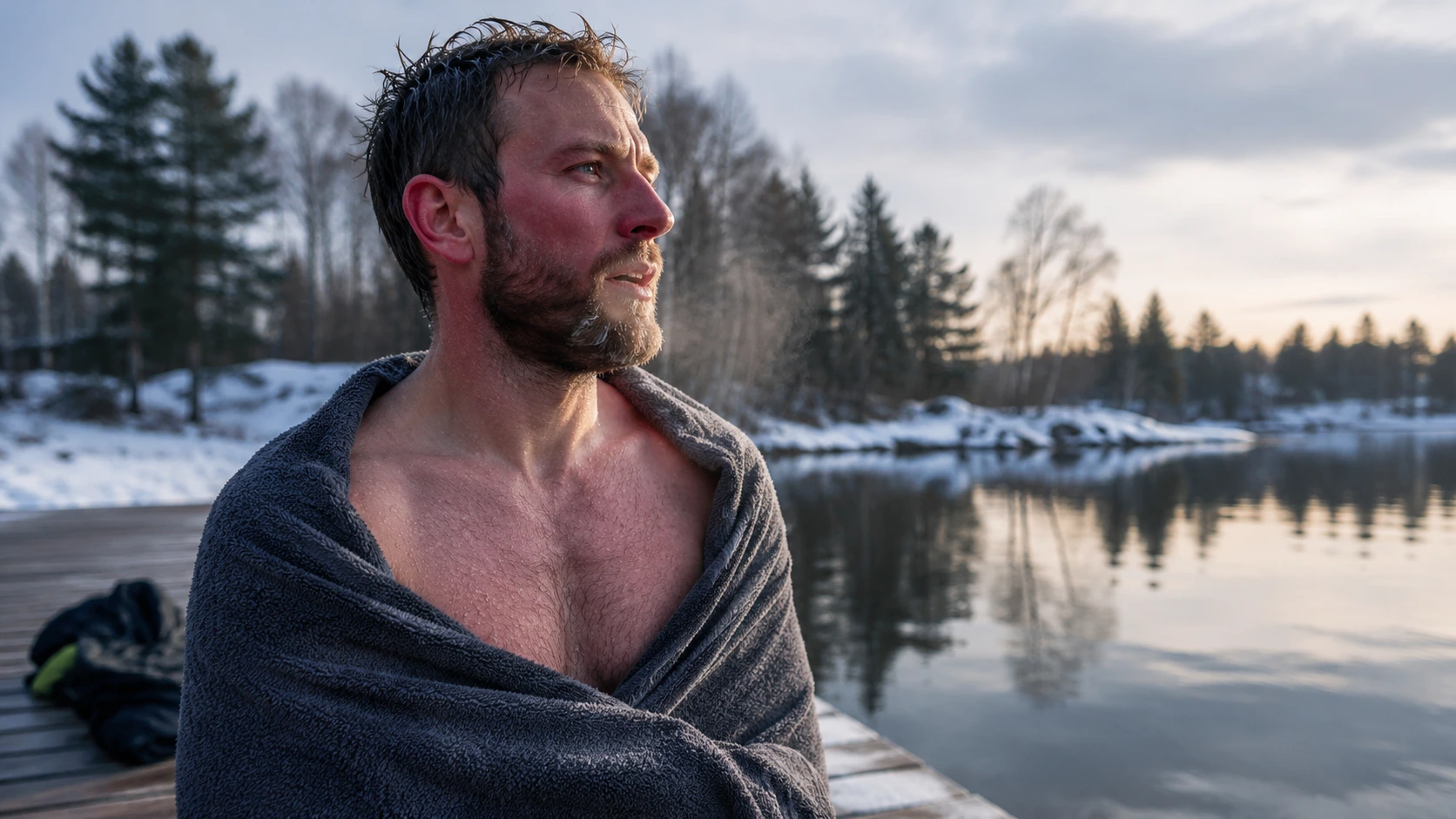
You’re scrolling through social media and everyone seems to be jumping into ice baths, claiming it’s the secret to better health, sharper focus, and an unstoppable immune system, but you have no idea if it’s actually worth the shock to your system or just another wellness trend that’ll fade in six months.
The benefits of cold plunges
Cold plunges trigger a cascade of physiological responses that can genuinely benefit your body when done right. When you expose yourself to cold water, your nervous system activates, increasing circulation and forcing your heart to pump more efficiently. This isn’t just a temporary rush. Over time, regular cold exposure can strengthen your cardiovascular system much like consistent cardio training does. Beyond circulation, cold plunges activate brown adipose tissue, a metabolically active type of fat that burns calories to generate heat. Imagine your body as a furnace that gets stronger each time you challenge it. Additionally, the cold exposure stimulates the release of norepinephrine, a hormone and neurotransmitter that enhances focus, mood, and mental clarity. Many young adults report feeling more alert and mentally sharp after cold plunges. The immune response is real too. Cold exposure increases white blood cell count and activates immune pathways, though the effect is modest and requires consistency to maintain.
- Improves immune function and circulation
- Aids in weight loss by activating brown fat
- Enhances mental well-being and alertness
The risks and considerations
Cold plunges aren’t risk-free, and understanding the downsides is just as important as knowing the benefits. Your body experiences real stress during cold exposure. If you have any cardiovascular condition, arrhythmia, or uncontrolled high blood pressure, jumping into cold water can trigger dangerous heart responses. Respiratory conditions like asthma can also flare up from the sudden cold shock. Beyond existing conditions, beginners often make the mistake of going too extreme too fast. Plunging into water below 50 degrees Fahrenheit without gradual acclimation can cause cold shock response, which includes involuntary gasping, hyperventilation, and potential panic. There’s also the risk of hypothermia if you stay in too long. Young adults sometimes underestimate these risks because they feel invincible. Your age doesn’t make you immune to cold water shock. Even healthy individuals can experience dangerous responses if they push too hard, too soon. This is why starting conservatively and listening to your body’s signals isn’t just advice, it’s essential safety protocol.
📘 Fix your day in under 2 minuteschoose where to begin:
Tips for a safe cold plunge
Safety starts with preparation and honest self-awareness about your current fitness level. Begin with water that’s around 60 degrees Fahrenheit for just 30 seconds to one minute. This might feel uncomfortably cold, but it shouldn’t feel dangerous or cause panic. Your goal in week one is simply to acclimate your nervous system to the sensation. Gradually decrease the temperature by a few degrees each week while slowly extending your time by 15 to 30 seconds. Never rush this progression. Before you plunge, inform someone you’re doing it, especially if you’re new. Have a warm towel ready and plan to warm up gradually afterward, not with extreme heat. Avoid cold plunges on an empty stomach or after heavy alcohol consumption, both of which compromise your body’s ability to regulate temperature. If you experience chest pain, severe shortness of breath, or uncontrollable shaking, exit immediately. Your body’s discomfort signals are real information, not weakness.
Incorporating cold plunges into your routine
The most practical entry point for young adults is ending your regular shower with cold water. Start with just 15 to 20 seconds of cold water at the end of a warm shower. This is low-risk, accessible, and helps your body adapt without requiring a special setup or membership. As you build tolerance over several weeks, gradually extend the duration and lower the temperature. If you want to progress further, consider visiting a local cryotherapy center or ice bath facility where professionals can guide you. These environments are controlled and staffed, which reduces risk. The key to real results is consistency, not intensity. Doing cold exposure twice weekly for eight weeks will deliver more benefit than one extreme plunge. Think of it like building any habit. You’re training your nervous system to handle stress more effectively, which has benefits that extend far beyond the cold water itself. Track how you feel mentally and physically to identify your optimal frequency and duration.
Myth busting and reality check
Here’s where cold plunges often disappoint people. The myth that cold water burns significant calories or causes rapid weight loss is overstated. Yes, your body expends energy generating heat, but we’re talking roughly 100 to 200 extra calories per session at most, not the thousands some wellness influencers claim. Cold plunges are not a shortcut to fat loss. They’re a tool that works best alongside proper nutrition and consistent exercise. Another common misconception is that cold plunges alone will cure anxiety or depression. While cold exposure can improve mood temporarily through neurochemical changes, it’s not a replacement for therapy, medication, or lifestyle changes if you’re struggling with mental health. Cold plunges also won’t prevent illness on their own. The immune boost is real but modest and requires regular practice. Treat cold plunges as a complement to sleep, nutrition, and stress management, not as a replacement for them. When you approach cold exposure with realistic expectations, you can actually enjoy the genuine benefits without disappointment.
Cold plunges offer measurable health benefits when approached with caution and consistency. The key is gradual acclimation, honest assessment of your health status, and realistic expectations about what cold exposure can deliver. Start small, listen to your body, and build the habit over weeks, not days. Combined with solid nutrition and exercise, cold plunges can become a valuable part of your health routine.
Can anyone try cold plunges?
Most healthy young adults can try cold plunges, but it’s not universal. If you have cardiovascular disease, high blood pressure, respiratory conditions, or any chronic health issue, consult your doctor first. Even if you’re generally healthy, start conservatively with warm water and short durations. Your individual tolerance matters more than your age.
How often should I engage in cold plunges?
Starting with two to three times per week is ideal for building adaptation without overloading your system. As your tolerance increases over several weeks, you can adjust frequency based on how you feel and your goals. Listen to your body. If you feel constantly fatigued or stressed, reduce frequency. More isn’t always better with cold exposure.
Others also read:
Disclaimer: This article is for informational purposes only and is not a substitute for professional medical advice. Always consult a healthcare professional for personal guidance.
This guide has been prepared and reviewed by the GlobalHealthBeacon editorial team and reflects current medical research as of 2026. It provides structured, evidence-based information to support informed health decisions.
