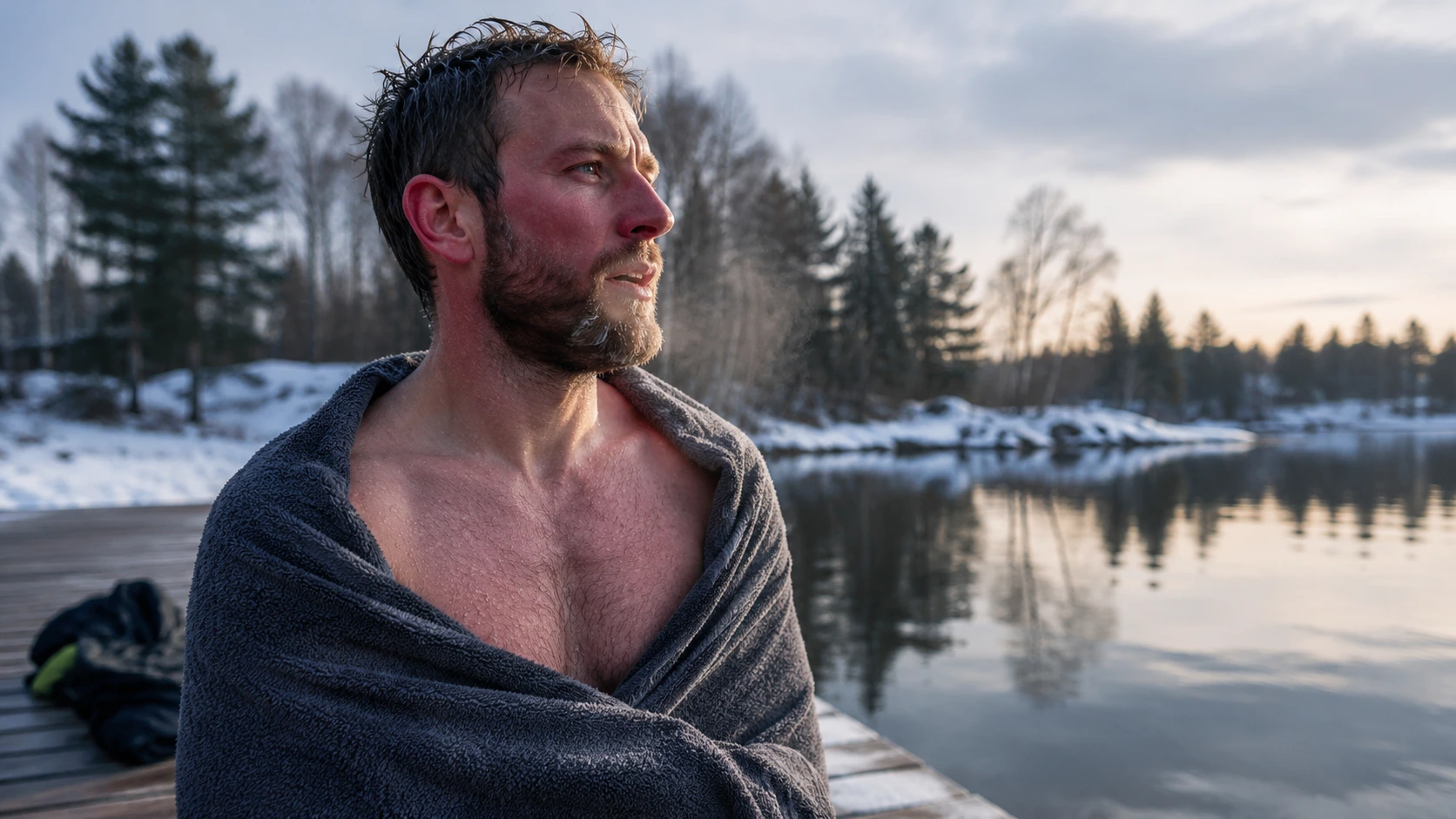
Your fingers go numb, your joints ache, and you’re wondering if that winter walk is actually helping or hurting you – here’s what the science really says about cold exposure health effects for seniors.
Understanding cold exposure and its impact
When you step outside on a crisp winter morning, your body immediately springs into action. Cold exposure triggers a cascade of physiological responses designed to keep you alive. Your blood vessels constrict in a process called vasoconstriction, pulling blood away from your skin and extremities to preserve heat around your vital organs. Simultaneously, your muscles begin to shiver, generating warmth through rapid contractions. These aren’t random reactions; they’re finely tuned survival mechanisms refined over thousands of years. Your body also increases metabolic rate and releases stress hormones like adrenaline to mobilize energy. For someone in their 60s or 70s, understanding these responses helps explain why cold feels different now than it did in your younger years. The shivering might feel more intense, the numbness in your fingers more pronounced. These are signs your body is working harder to maintain its core temperature of around 98.6 degrees Fahrenheit.
Aging and cold sensitivity
The aging process fundamentally changes how your body handles cold. Starting around age 50, most people experience a gradual decline in their ability to regulate body temperature. Your muscle mass decreases by roughly 3 to 8 percent per decade after age 30, and muscles are your primary heat generators. Your metabolism slows, meaning you produce less internal warmth at rest. Blood circulation becomes less efficient, so heat doesn’t distribute as effectively from your core to your extremities. Additionally, your skin becomes thinner with age, losing some of its insulating properties. Many seniors also take medications that can impair temperature regulation, from blood pressure medications that dilate blood vessels to certain antidepressants that affect the hypothalamus, your brain’s temperature control center. A 70-year-old experiencing the same cold temperature as a 30-year-old is essentially facing a more challenging physiological situation. This explains why you might feel uncomfortably cold in conditions that younger family members find perfectly tolerable.
Exploring the risks and benefits of cold exposure for seniors
Cold exposure presents a genuine paradox for older adults. On one hand, controlled cold exposure has been linked to enhanced immune function. Research suggests that brief, moderate cold exposure can stimulate the production of white blood cells and increase levels of immune-boosting proteins. Some studies indicate that regular cold exposure may reduce systemic inflammation, which is implicated in numerous age-related conditions from arthritis to cardiovascular disease. A hypothetical example: consider Margaret, a 68-year-old who takes a 15-minute walk in 40-degree weather three times weekly. Over several months, she notices her seasonal colds seem less severe and her energy levels improve. However, the flip side carries real danger. Prolonged or extreme cold exposure can trigger hypothermia, where core body temperature drops dangerously low. For seniors with arthritis, cold can intensify joint pain and stiffness. Those with cardiovascular conditions face increased risk during cold snaps, as cold causes blood vessels to constrict and blood pressure to rise. The key is finding your personal balance point where benefits outweigh risks.
- Consult with a healthcare provider before starting any cold exposure regimen, especially if you have heart disease, high blood pressure, Raynaud’s disease, or arthritis, as these conditions may be affected by cold exposure.
- Gradually acclimate your body to cold temperatures over weeks and months, starting with short exposures of 5 to 10 minutes and slowly extending duration as your body adapts.
- Dress warmly and in layers, using moisture-wicking base layers, insulating middle layers, and a windproof outer layer, plus a hat, gloves, and warm socks to protect extremities where heat loss occurs fastest.
🔬 Science-backed benefits in 2 minuteschoose where to begin:
The role of cold exposure in metabolic health
Your metabolism is the engine that burns calories and regulates blood sugar. Cold exposure has a measurable effect on this engine. When exposed to cold, your body activates brown adipose tissue, a special type of fat that burns calories to generate heat in a process called thermogenesis. Unlike white fat, which stores energy, brown fat is metabolically active and consumes significant calories. Research has shown that regular cold exposure can increase brown fat activation and improve insulin sensitivity, the ability of your cells to respond to insulin and regulate blood glucose. For a senior managing weight or dealing with prediabetes, this represents a potential tool. Imagine Robert, a 72-year-old with a slow metabolism and creeping weight gain. He begins taking cold showers for 2 minutes daily and notices his energy improves and his weight stabilizes despite no dietary changes. The increased calorie expenditure from cold exposure, though modest, compounds over time. Studies suggest cold exposure can increase energy expenditure by 10 to 30 percent during and after exposure. Combined with regular physical activity and balanced nutrition, this metabolic boost contributes meaningfully to overall health management in later years.
Managing cold-related conditions in seniors
Certain medical conditions require extra caution in cold environments. Raynaud’s disease, where blood vessels overreact to cold and stress by constricting excessively, can cause painful color changes in fingers and toes. Peripheral artery disease, characterized by narrowed arteries reducing blood flow to limbs, becomes more symptomatic in cold. Angina and other heart conditions can worsen with cold exposure due to increased cardiac workload. For seniors with these conditions, prevention is paramount. Proper insulation means more than just a coat; it means keeping your core warm so your body doesn’t need to restrict blood flow to extremities. Wear insulated gloves before going outside, not after your hands are already cold. Stay hydrated, as dehydration thickens blood and impairs circulation. Avoid sudden temperature changes, like stepping from a warm house into freezing air. Consider using hand and foot warmers in pockets. If you have Raynaud’s, keep chemical hand warmers accessible during winter. These practical measures transform winter from a season of dread into one you can navigate safely and comfortably.
Adapting to seasonal changes for better health
Winter doesn’t have to mean hibernation or health decline. Understanding cold exposure health effects empowers you to make intentional choices aligned with your individual health profile. Some seniors thrive with gentle winter activities like short outdoor walks on mild days, while others do better with indoor exercise during harsh weather. The key is recognizing that seasonal adaptation is personal. Your body’s response to cold reflects your unique combination of age, fitness level, medical history, and medications. Rather than following generic advice, listen to your body’s signals. If cold exposure leaves you exhausted or in pain, that’s valuable information. If you feel energized and healthy, that’s equally important feedback. Many seniors find that building a winter routine with appropriate cold exposure, combined with adequate nutrition, sleep, and movement, creates a sense of vitality and control. By incorporating safe, gradual, and monitored cold exposure practices tailored to your circumstances, you’re not just surviving winter; you’re potentially enhancing your overall health and maintaining the independence and vitality that matter most in your later years.
Cold exposure elicits diverse health effects in seniors, from immune system modulation to metabolic benefits. Understanding the risks and benefits, along with proper precautions, is crucial for harnessing the potential advantages of cold exposure for senior health.
Can cold exposure improve immune function in seniors?
Cold exposure has been shown to enhance immune function in seniors by stimulating the production of certain immune cells and increasing levels of immune-boosting proteins. However, moderation and gradual exposure are key to reaping these potential benefits without adverse effects. Brief, controlled cold exposure appears more beneficial than prolonged extreme cold.
What precautions should seniors take when engaging in cold exposure activities?
Seniors should consult with a healthcare provider before starting any cold exposure regimen to assess individual risks and medical contraindications. It is essential to dress warmly in layers, acclimate gradually to cold over weeks, and be mindful of the duration and intensity of cold exposure to prevent negative health outcomes like hypothermia or exacerbation of existing conditions.
Others also read:
Disclaimer: This article is for informational purposes only and is not a substitute for professional medical advice. Always consult a healthcare professional for personal guidance.
This article has been prepared and reviewed by the GlobalHealthBeacon editorial team and is based on current medical research and published scientific literature available in 2026. It provides structured, evidence-based information to support informed health decisions.
