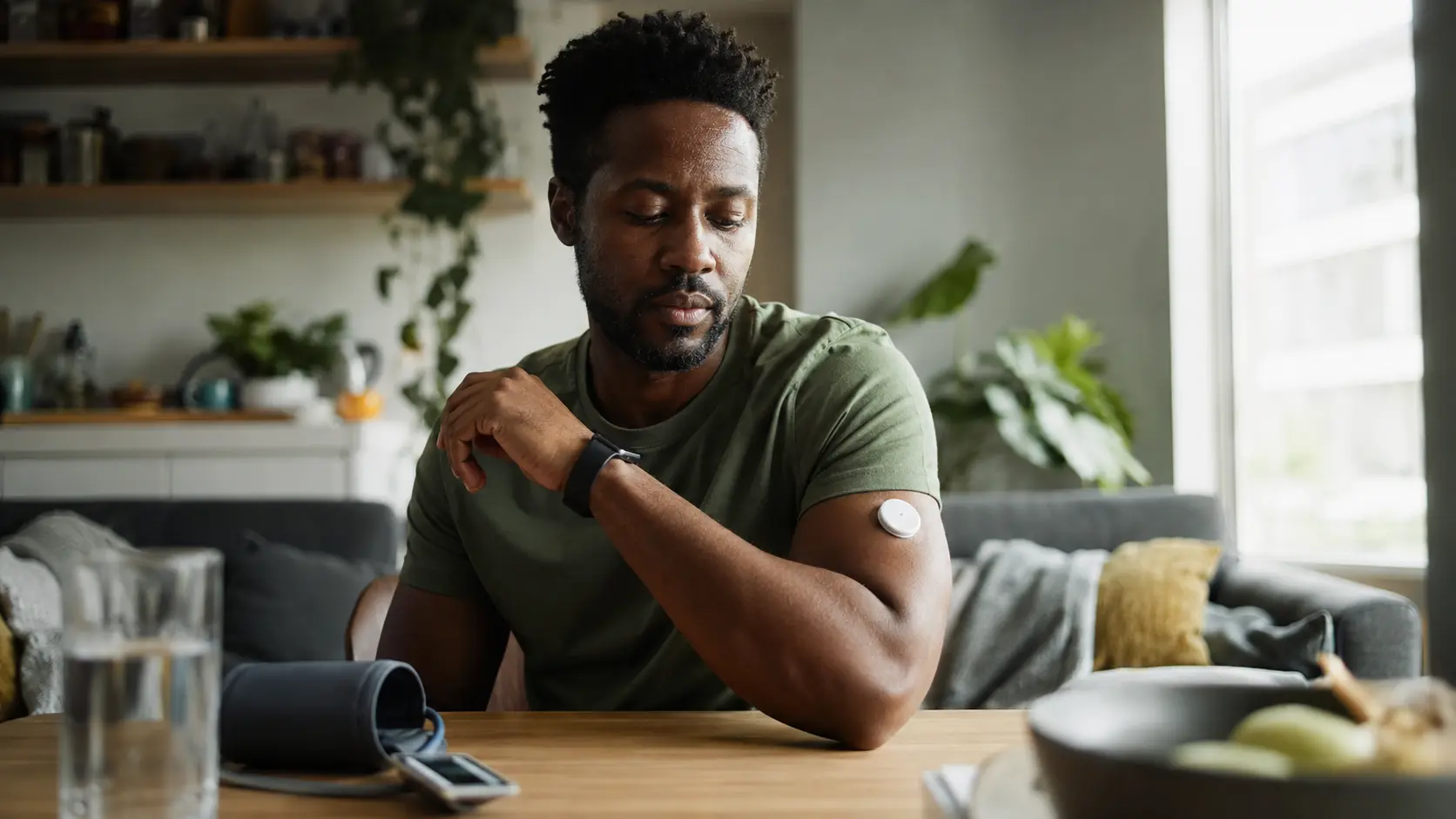
You’re exhausted, confused about what your body actually needs, and tired of guessing whether you’re doing enough for your health, so you finally decide to try connected health devices and everything shifts.
The awakening: embracing connected health devices
The first time Sarah strapped on her fitness tracker, she felt something click into place. For years, she’d been going through the motions of staying healthy without really knowing if it was working. Within days of using her connected health device, she could see her sleep patterns, watch her heart rate spike during workouts, and finally understand what her body was actually doing. This is the moment many young adults describe when they first embrace these tools. You’re not just hoping you’re healthy anymore. You’re watching it unfold in real time. Whether it’s a smartwatch tracking your midnight bathroom trips or a scale that syncs your weight to an app, connected health devices transform vague feelings into concrete data. Suddenly, you have proof. You can see the exact moment your stress levels spike before a presentation, or notice how that late-night coffee actually affects your sleep quality. It’s empowering because you’re no longer operating in the dark.
- Accurate tracking of physical activity and sleep patterns for improved overall health
- Instant access to heart rate data during workouts to optimize exercise effectiveness
- Personalized nutrition recommendations based on individual goals and dietary preferences
Navigating the data: making informed decisions
Here’s where it gets real. Marcus downloaded his health app and suddenly had months of data staring back at him. His average sleep was 5.5 hours. His steps averaged 4,200 a day. His heart rate during rest was higher than it should be. The data was overwhelming at first, but it also gave him something he never had before: clarity. Instead of vaguely knowing he needed to sleep more, he could see exactly how sleep deprivation affected his next-day performance. Young adults using connected health devices often describe this phase as the turning point. You stop making decisions based on what you think you should do and start making them based on what your body is actually telling you. You notice that when you hit 8,000 steps and get seven hours of sleep, your mood improves noticeably. When you skip workouts for a week, your resting heart rate climbs. These aren’t abstract health concepts anymore. They’re your personal patterns, your unique blueprint. This shift from passive awareness to active decision-making is where real change begins.
💬 Ready to feel better in 2 minutes?choose where to begin:
Challenges and triumphs: lessons from the field
But let’s be honest. The first month of using connected health devices can feel like you’re obsessing over numbers. Jessica found herself checking her app every hour, frustrated when her step count didn’t match her expectations. She’d feel guilty after a rest day, anxious if her sleep dipped below seven hours. This is the challenge nobody talks about. The devices that are supposed to empower you can also create stress. The key that young adults who’ve stuck with these tools have learned is balance. The real triumph isn’t perfection. It’s understanding your baseline and making small, sustainable changes. One person realized their anxiety decreased when they got outside for a 20-minute walk. Another discovered that yoga counted as movement in ways they hadn’t expected. The challenges are real: learning to interpret the data, avoiding obsession, and not letting a bad day derail your motivation. But the triumphs are bigger. Young adults report feeling more in control, more aware, and genuinely surprised by what their bodies are capable of when they pay attention.
Sustaining the momentum: integrating digital health into daily life
Three months in, the novelty of connected health devices wears off for most young adults. But that’s actually when the magic happens. This is when the habit sticks. Alex realized his device had become as natural as checking his phone. He didn’t obsess over numbers anymore. Instead, he used the insights to make quick decisions. Tired but data shows good sleep? Maybe it’s mental fatigue, not physical. Heart rate elevated? Time to take a walk. The young adults who’ve truly integrated digital health into their lives describe it as background awareness rather than constant monitoring. They set realistic goals based on their actual data, not Instagram fitness standards. They celebrate wins like hitting their movement goal three days in a row, not perfection. The integration works best when you stop treating your connected health device as a judge and start treating it as a coach. It’s there to inform your choices, not dictate them. Over time, many young adults find they need to check their devices less because the habits have become automatic. That’s when you know it’s truly integrated into your life.
Exploring the world of connected health devices, young adults found empowerment through data-driven insights and personalized feedback. By navigating challenges and integrating digital health tools into their daily lives, they embraced control over their well-being and embraced proactive health management.
How do connected health devices benefit young adults?
Connected health devices offer young adults real-time feedback, personalized insights, and data-driven recommendations to optimize their health habits and overall well-being.
What challenges may young adults face when using connected health devices?
Young adults may face challenges such as adjusting to active engagement, establishing consistent habits, and interpreting the wealth of health data provided by connected health devices.
Others also read:
Disclaimer: This article is for informational purposes only and is not a substitute for professional medical advice. Always consult a healthcare professional for personal guidance.
This article presents an experience-based perspective and has been reviewed by the GlobalHealthBeacon editorial team in 2026. It provides structured, evidence-based information to support informed health decisions.
