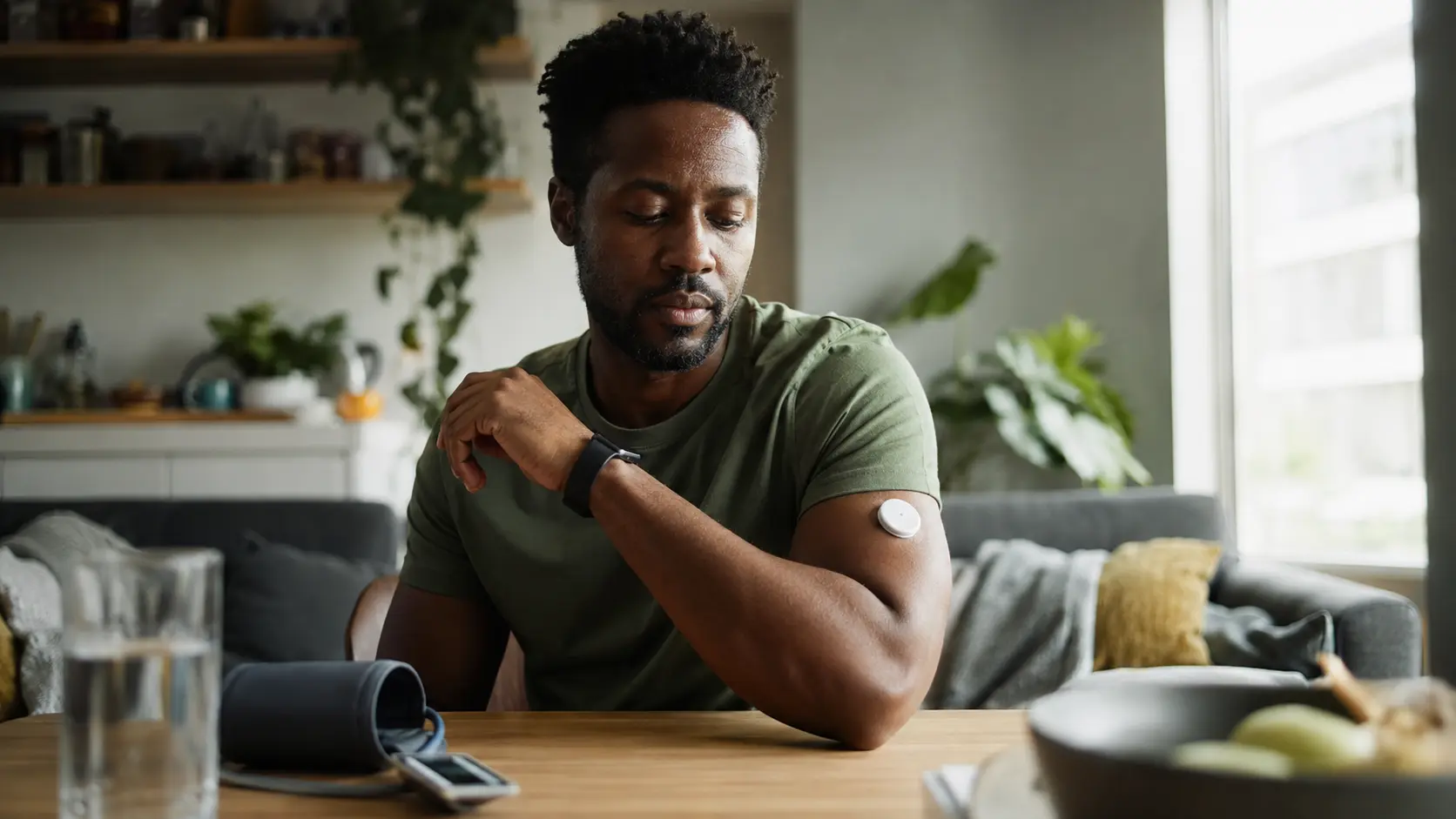
Your health data is scattered everywhere, your doctor can’t see the full picture, and you’re tired of guessing whether something is normal or needs attention – connected health devices solve this by putting your vital signs, activity, and medication right where you and your healthcare team can actually use them.
Smartwatches for health monitoring
Smartwatches have evolved into genuine health companions that sit on your wrist and work quietly throughout your day. Unlike the fitness trackers of years past, modern smartwatches deliver continuous heart rate monitoring that catches irregular rhythms you might otherwise miss. Imagine noticing a pattern of elevated heart rate during certain times of day, then sharing that data with your doctor to investigate further. Beyond heart rate, these devices count your steps and track activity intensity, giving you concrete feedback on whether you’re meeting movement goals. Sleep tracking shows you how many hours you actually spend in deep versus light sleep, revealing whether nighttime restlessness is affecting your daytime energy. Many seniors find that seeing this data motivates them to take an extra walk or adjust evening routines. The key advantage is that all this information syncs automatically to your phone or tablet, eliminating the need to manually record anything.
- Continuous heart rate monitoring for real-time data and pattern detection
- Step counting and activity tracking to promote daily movement and accountability
- Sleep tracking to monitor sleep patterns and identify disruptions
Blood pressure monitors for hypertension management
Managing high blood pressure becomes significantly easier with a connected blood pressure monitor because you capture readings at consistent times and watch trends unfold over weeks and months. Rather than remembering a single number from your last doctor visit, you build a complete picture of how your blood pressure responds to different activities, stress levels, and times of day. Consider someone who notices their pressure spikes on stressful mornings but stays stable on days they exercise – that insight helps both you and your doctor make better decisions about medication or lifestyle changes. Most connected monitors are simple to use: you sit down, place your arm in the cuff, and press start. Within seconds you have a reading that automatically uploads to an app on your phone. Your healthcare provider can access these readings remotely, meaning you don’t have to wait for an appointment to discuss concerning trends. This continuous monitoring catches problems early and gives your doctor the evidence needed to adjust treatment before complications develop.
📘 Fix your day in under 2 minuteschoose where to begin:
Glucose meters for diabetes monitoring
If you live with diabetes, a connected glucose meter transforms how you understand your body’s response to food, medication, and activity. Traditional finger-stick testing gives you a single number at that moment, but connected meters store every reading and reveal patterns you couldn’t see before. You might discover that certain meals spike your blood sugar while others keep you stable, or that a 20-minute walk after lunch makes a measurable difference. Some newer continuous glucose monitors sit on your skin and measure glucose levels throughout the day and night, eliminating the need for frequent finger sticks. The data flows directly to your phone, and you can set alerts that notify you if your glucose drops too low or climbs too high. This real-time feedback empowers you to make immediate adjustments rather than waiting until your next doctor appointment. Sharing this data with your healthcare team means they can see exactly how well your current treatment plan is working and adjust medications or recommendations based on actual evidence from your daily life.
Medication dispensers for adherence support
Taking multiple medications at different times of day becomes confusing quickly, and missed doses can have serious health consequences. A connected medication dispenser holds your pills organized by date and time, then alerts you when it’s time to take them. Picture this: the device beeps, lights up, and dispenses exactly the pills you need right now, eliminating the guesswork of which bottle to grab or whether you already took today’s dose. Some dispensers send reminders to your phone or even to a family member if you miss a dose, creating a safety net without requiring constant supervision. The device keeps a complete log of when you took each medication, which you can share with your doctor to prove adherence or identify patterns if a health issue emerges. This is particularly valuable for seniors managing conditions like heart disease, diabetes, or arthritis where consistency matters enormously. The peace of mind alone is worth the investment, knowing you’re taking the right medication at the right time every single day.
Fitness trackers for activity motivation
Staying active becomes more achievable when you have a device that celebrates small wins and keeps you accountable to realistic goals. A fitness tracker counts your daily steps, estimates calories burned, and measures exercise intensity, then displays this information in ways that feel encouraging rather than judgmental. Many seniors set modest step goals like 5,000 or 7,000 steps per day, then gradually increase as fitness improves. The tracker shows you progress visually, and many apps include challenges or achievement badges that trigger a genuine sense of accomplishment. Imagine looking at your weekly summary and seeing that you’ve been consistently active five days out of seven, or that your average steps have increased by 1,000 compared to last month. This tangible evidence of improvement motivates continued effort. Some trackers also monitor heart rate during exercise, helping you understand whether you’re working at a safe intensity for your fitness level. Sharing your activity data with friends or family members can create friendly competition or mutual encouragement, turning solo exercise into a shared wellness journey.
Connected health devices for seniors offer practical ways to monitor vital signs, manage chronic conditions, and stay motivated about physical activity. Smartwatches provide continuous heart rate and sleep data, blood pressure monitors track hypertension trends, glucose meters reveal diabetes patterns, medication dispensers ensure you never miss a dose, and fitness trackers keep you accountable to movement goals. Each device syncs data to your phone and often to your healthcare provider, creating a complete picture of your health that supports better decisions and earlier problem detection. The combination of these tools transforms health management from a reactive process into a proactive one.
Are these connected health devices easy to use for seniors?
Yes, most connected health devices are designed with seniors in mind, featuring simple interfaces, large buttons or touchscreens, and step-by-step setup guides. Many include phone support specifically trained to help older adults, and family members can often assist with initial setup. Once configured, most devices work automatically without requiring technical knowledge.
Can I sync these devices with my smartphone for better data tracking?
Absolutely. Most connected health devices offer smartphone compatibility through dedicated apps that sync data automatically via Bluetooth or WiFi. You can view your health data anytime, share reports with your doctor, and set up alerts. If you don’t use a smartphone, many devices also work with tablets or can sync to a computer.
Others also read:
Disclaimer: This article is for informational purposes only and is not a substitute for professional medical advice. Always consult a healthcare professional for personal guidance.
This guide has been prepared and reviewed by the GlobalHealthBeacon editorial team and reflects current medical research as of 2026. It provides structured, evidence-based information to support informed health decisions.
