Tired of finger pricks interrupting your day, confused about which glucose monitor actually works, and wondering if there’s a better way to track your blood sugar without the constant hassle? A continuous glucose monitor explained simply is your answer, and this guide walks you through exactly which options fit your life.
Understanding continuous glucose monitors
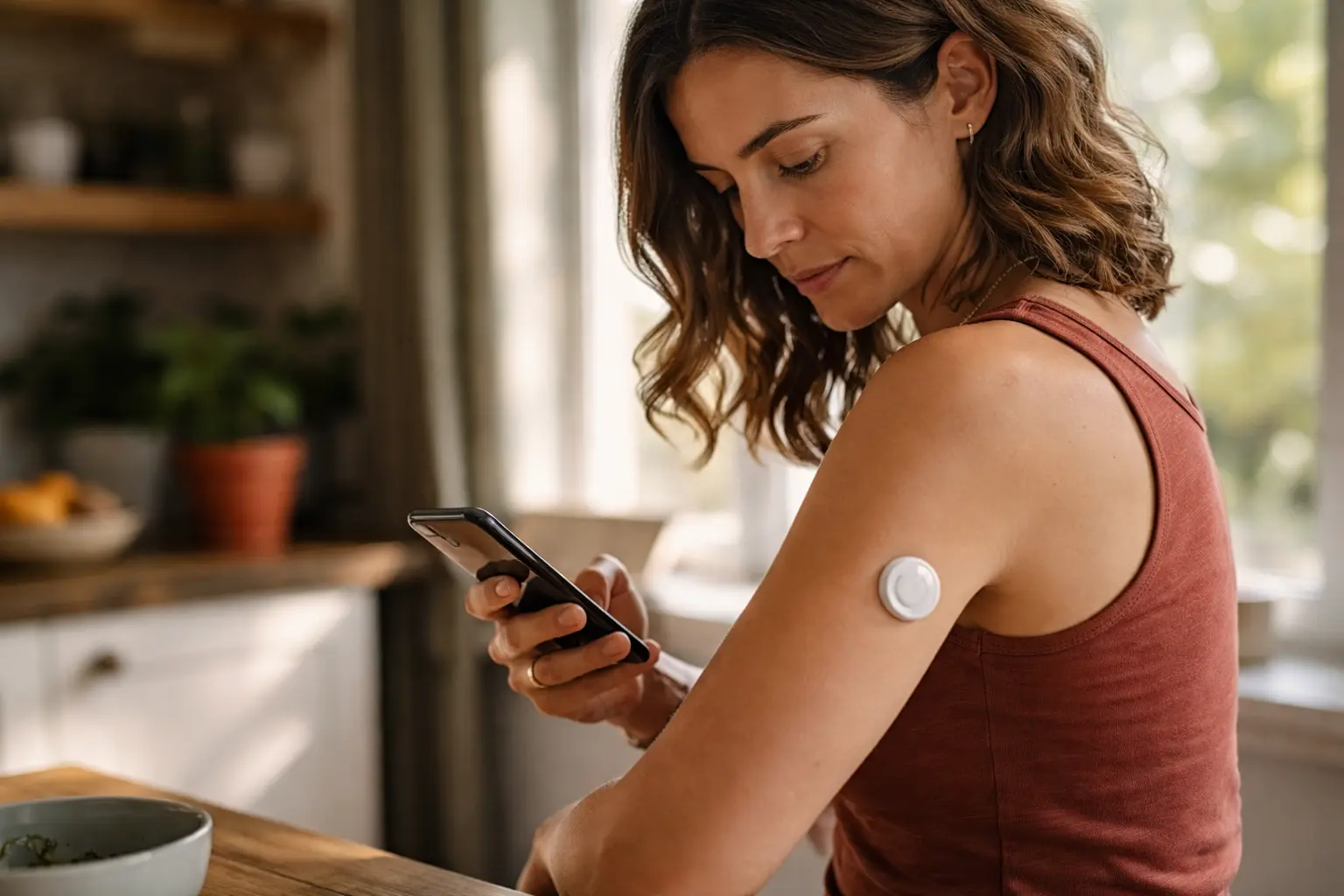
Continuous Glucose Monitors, or CGMs, are small wearable sensors that sit on your skin and measure your glucose levels every few minutes, giving you a real-time picture of what’s happening inside your body. Instead of pricking your finger multiple times daily, you get automatic readings sent directly to your phone or a handheld receiver. Imagine checking your glucose like you check your texts, anytime, anywhere. For a young adult juggling work, exercise, social events, and meals out, this shift from reactive finger-prick testing to proactive continuous monitoring changes everything. You start seeing patterns you never noticed before: how that afternoon coffee affects your levels, what happens during your gym session, or why certain foods spike you more than others. The data flows continuously, painting a complete picture of your glucose trends rather than just snapshots.
- CGMs provide continuous data on your glucose levels, eliminating the need for frequent finger pricks.
- These devices can alert you to high or low glucose levels, allowing for prompt action to avoid complications.
- CGMs are especially beneficial for young adults who lead active lifestyles and may have fluctuating glucose levels.
Choosing the right CGM for you
Selecting a CGM means weighing several practical factors against your actual lifestyle. Accuracy matters, but so does whether you’ll actually wear the device consistently. Dexcom G7 offers the smallest sensor and integrates seamlessly with most smartphones, making it popular among young adults who don’t want a bulky device visible during dates or workouts. Freestyle Libre appeals to those who prefer a smaller footprint and lower cost, though it requires scanning rather than automatic readings. Medtronic Guardian combines CGM with insulin pump technology if you’re already using a pump. Think about your typical week: Do you swim or shower frequently? Some sensors are more water-resistant than others. Do you travel internationally? Availability varies by country. Are you budget-conscious? Insurance coverage and out-of-pocket costs differ significantly. The right choice isn’t necessarily the most advanced one, it’s the one you’ll actually use consistently without frustration.
📘 Fix your day in under 2 minuteschoose where to begin:
Installing and using your CGM
The installation process is genuinely simple and takes less than two minutes. You remove the sensor from its packaging, clean the application site on your arm or abdomen with an alcohol wipe, and press the applicator firmly against your skin until it clicks. That’s it. The sensor adheres with a small adhesive patch and sits flush against your skin, barely noticeable under a t-shirt. Once activated through your app, it begins transmitting glucose readings automatically. For the first few hours, the sensor calibrates itself, then you’re receiving data continuously. Most sensors last 10 to 14 days depending on the brand, so you’ll need to replace it roughly every two weeks. Many young adults set phone reminders for replacement day so they don’t accidentally run out. The actual wearing experience is forgettable in the best way, which is exactly what you want from a medical device.
Interpreting CGM data
Raw glucose numbers mean nothing without context. The real power of CGM data lies in spotting patterns and trends. Your device shows you not just your current glucose level, but the direction it’s moving: up, down, or stable. A reading of 140 mg/dL that’s rising steeply tells a different story than 140 mg/dL that’s stable. Over time, you’ll notice your personal patterns. Maybe your fasting glucose is always higher on days after you skip dinner. Perhaps your evening workouts consistently drop your levels two to three hours later. Some young adults discover that stress spikes their glucose more than carbs do. Your CGM app typically displays this as graphs and trends, showing you the last 24 hours, 7 days, or 30 days of data. Use this information to make small adjustments: eating a bit more protein with breakfast, timing your exercise differently, or adjusting medication doses with your doctor’s guidance. The goal isn’t perfection, it’s understanding your unique body and making informed decisions.
Benefits of CGMs for young adults
For young adults, CGMs offer freedom that traditional monitoring simply cannot match. You can exercise without worrying about missing a high or low glucose event. You can sleep without anxiety about overnight lows. You can go on dates, travel, or work long shifts without the constant mental burden of remembering to test. The peace of mind is real and measurable. Beyond convenience, CGMs help you achieve better glucose control, which translates to fewer complications down the road and better overall health. Young adults using CGMs typically see improvements in their A1C levels within a few months because they have the data and motivation to make adjustments. There’s also a psychological shift: instead of feeling like diabetes is something happening to you, you become an active participant in managing it. You see the cause and effect of your choices in real-time, which builds confidence and ownership over your health.
Continuous Glucose Monitors are invaluable tools that provide real-time data on your glucose levels. By choosing the right CGM, installing it correctly, and interpreting the data effectively, young adults can enjoy the numerous benefits of continuous glucose monitoring for improved health outcomes.
Are CGMs suitable for all types of diabetes?
CGMs are primarily designed for individuals with Type 1 and Type 2 diabetes. It’s essential to consult with your healthcare provider to determine if a CGM is suitable for your specific condition.
Can CGMs completely replace traditional glucose monitoring methods?
While CGMs offer continuous monitoring and valuable insights, they are not intended to replace traditional finger-prick glucose monitoring entirely. CGMs serve as complementary tools to enhance diabetes management.
Others also read:
Disclaimer: This article is for informational purposes only and is not a substitute for professional medical advice. Always consult a healthcare professional for personal guidance.
This guide has been prepared and reviewed by the GlobalHealthBeacon editorial team and reflects current medical research as of 2026. It provides structured, evidence-based information to support informed health decisions.
