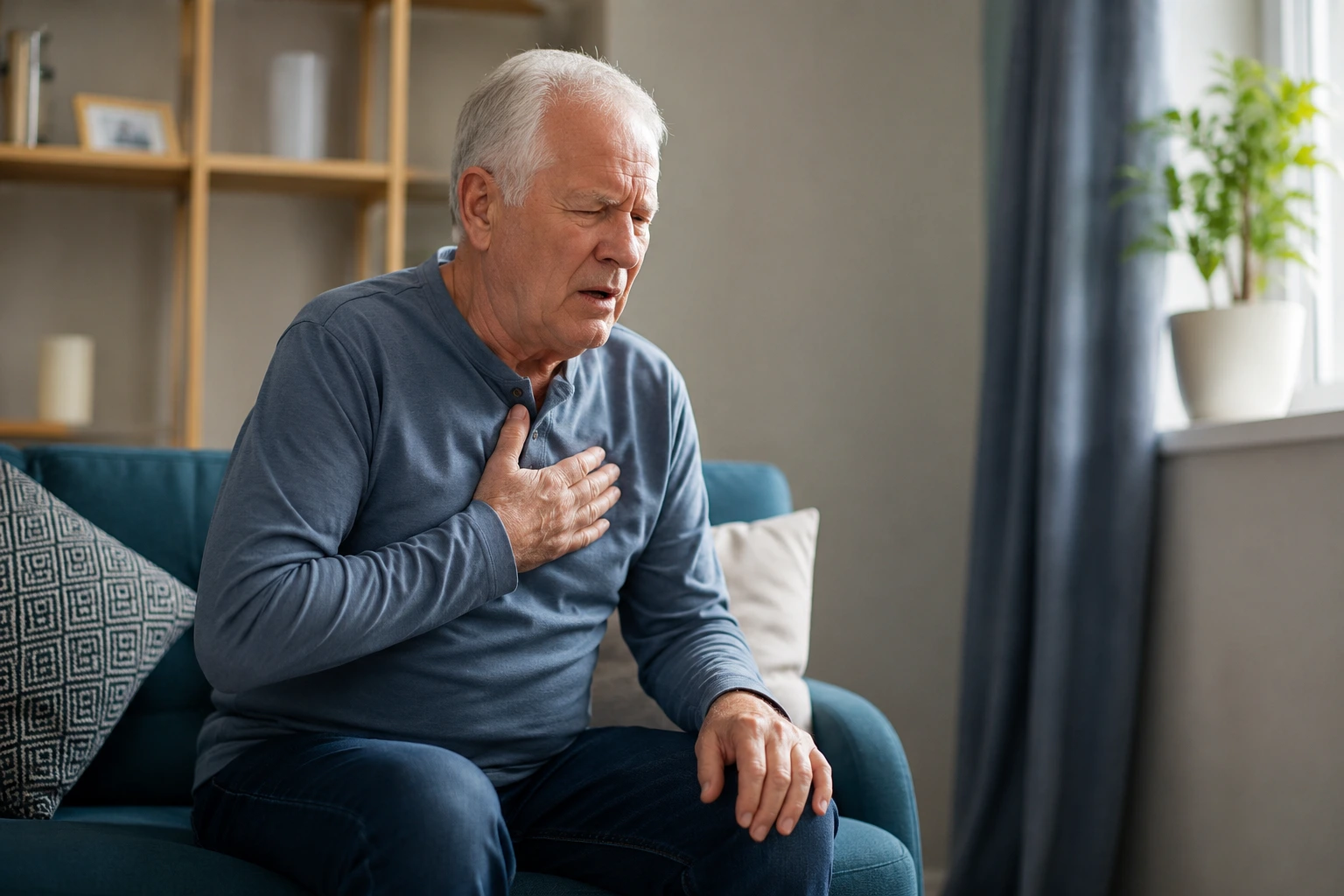
If you’re catching your breath walking up stairs, dealing with a cough that won’t quit, or feeling like your lungs are working overtime, you’re not alone – and COPD explained simply is exactly what you need right now to understand what’s happening in your body.
What is COPD?
COPD, or Chronic Obstructive Pulmonary Disease, is a chronic inflammatory lung condition that progressively narrows your airways, making it harder for air to flow in and out of your lungs. It encompasses two main conditions: emphysema, which damages the air sacs in your lungs, and chronic bronchitis, which inflames the tubes that carry air. For women specifically, COPD often develops differently than in men – you may experience symptoms at lower smoking exposure levels, and hormonal changes during menopause can sometimes worsen breathing difficulties. The condition typically develops over years of exposure to irritants, and many women don’t realize they have it until symptoms become noticeable during everyday activities like climbing stairs or playing with grandchildren.
- COPD is often caused by smoking, but environmental factors like air pollution, occupational exposure to dust or chemicals, and genetic predisposition can also contribute – women are increasingly diagnosed without significant smoking history.
- Symptoms include shortness of breath, chronic cough, wheezing, chest tightness, and increased mucus production that may feel worse in the morning or during physical activity.
- Early diagnosis and management are crucial to slowing the progression of the disease and improving quality of life, allowing you to maintain independence and enjoy activities you value.
Diagnosis and testing
Getting diagnosed with COPD typically begins with a conversation with your doctor about your symptoms and exposure history. Your healthcare provider will likely order spirometry, a simple breathing test where you blow into a machine that measures how much air your lungs can hold and how quickly you can exhale. This test is painless and takes just a few minutes. Your doctor may also order a chest X-ray or CT scan to see the condition of your lung tissue and rule out other conditions like asthma or heart disease that can mimic COPD symptoms. For women, it’s important to mention any occupational exposures, secondhand smoke exposure at home or work, or family history of lung disease. Some women find they’re initially misdiagnosed with asthma or anxiety before COPD is identified, so advocating for proper testing is essential if your symptoms persist despite treatment.
📘 Fix your day in under 2 minuteschoose where to begin:
Treatment options
COPD treatment is highly individualized and depends on how advanced your condition is. Your doctor will likely prescribe inhalers – bronchodilators that relax airway muscles to improve breathing, and corticosteroids that reduce inflammation. Many women benefit from pulmonary rehabilitation programs, which combine exercise training, breathing techniques, and education to help you manage daily activities more effectively. Oxygen therapy may be recommended if your blood oxygen levels drop too low, especially during physical activity or sleep. For more advanced COPD, your doctor might discuss lung volume reduction surgery or, in severe cases, lung transplantation. It’s crucial to take medications exactly as prescribed and attend regular check-ups to monitor your lung function. Many women find that combining medication with lifestyle modifications produces the best results for maintaining independence and quality of life.
Lifestyle changes
Living well with COPD requires intentional daily choices that protect and strengthen your lungs. If you smoke, quitting is the single most important step you can take – it slows disease progression dramatically and improves how your lungs respond to treatment. Regular physical activity, even gentle walking or water aerobics, helps maintain lung capacity and cardiovascular health. A balanced diet rich in fruits, vegetables, and lean proteins supports your immune system and helps prevent infections that can trigger COPD flare-ups. Managing stress through relaxation techniques, meditation, or counseling reduces physical tension that can worsen breathing. Equally important is avoiding lung irritants: secondhand smoke, air pollution, strong cleaning chemicals, and indoor allergens. Many women find that planning activities during times when air quality is best, using air purifiers at home, and maintaining good indoor humidity levels make a significant difference in daily breathing comfort.
Support and resources
Managing COPD is not something you should do alone. Connecting with others who understand your experience through support groups – whether in-person or online – provides emotional support and practical tips from people living with the same condition. Your healthcare team should include your primary doctor, a pulmonologist, and possibly a respiratory therapist who can teach you proper inhaler technique and breathing strategies. Many communities offer pulmonary rehabilitation programs specifically designed for COPD patients. Don’t hesitate to ask your doctor for referrals to counseling if you’re struggling emotionally with your diagnosis, as anxiety and depression are common alongside COPD. Organizations like the American Lung Association provide free resources, educational materials, and community connections. Having a care plan written down, sharing it with family members, and scheduling regular appointments helps you stay on track and catch any changes early.
COPD, or Chronic Obstructive Pulmonary Disease, is a complex lung condition that requires early diagnosis, lifestyle changes, and proper management. Understanding the basics of COPD empowers you to take control of your health and improve your quality of life.
Can COPD be cured?
Unfortunately, there is no cure for COPD, but early diagnosis and proper management can help slow the progression of the disease and improve symptoms.
Is COPD fatal?
COPD is a progressive disease that can be life-threatening, especially if not managed properly. However, with early diagnosis and appropriate treatment, many people with COPD can lead fulfilling lives.
Others also read:
Disclaimer: This article is for informational purposes only and is not a substitute for professional medical advice. Always consult a healthcare professional for personal guidance.
This guide has been prepared and reviewed by the GlobalHealthBeacon editorial team and reflects current medical research as of 2026. It provides structured, evidence-based information to support informed health decisions.
