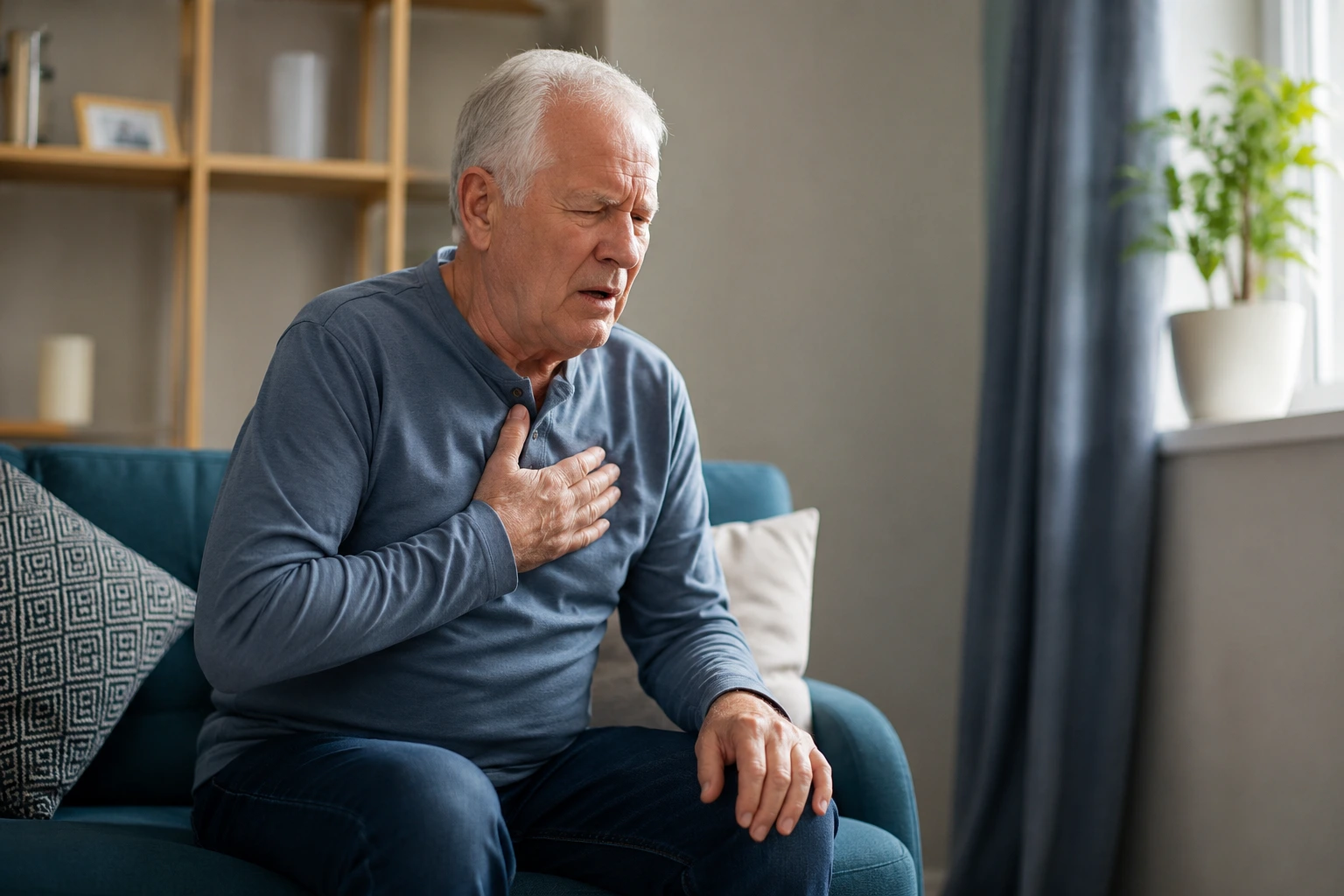
Waking up gasping for breath, struggling to climb stairs, feeling trapped in your own body – COPD explained simply means understanding that you’re not alone and that real, practical treatments exist to help you breathe easier and reclaim your life.
Understanding senior COPD therapies
COPD management for seniors involves several proven treatment pathways, each designed to address specific breathing challenges. Inhalers come in two main types: rescue inhalers that provide quick relief during sudden breathing difficulties, and maintenance inhalers that you use daily to prevent symptoms from developing. Consider a typical scenario: Margaret, a 72-year-old retired teacher, uses her blue rescue inhaler when climbing stairs, but her daily brown maintenance inhaler keeps her symptoms controlled throughout the week. Pulmonary rehabilitation programs combine supervised exercise, breathing techniques, and education tailored to your fitness level. These programs typically meet two to three times weekly for eight to twelve weeks. Oxygen therapy becomes necessary when your blood oxygen levels drop below safe ranges, and modern portable oxygen concentrators allow you to maintain independence while staying active. Many seniors find that combining these approaches, rather than relying on any single therapy, produces the best results for managing their COPD long-term.
- Learn about inhalers and their role in managing COPD symptoms
- Explore pulmonary rehabilitation programs for improved lung function
- Discover the benefits of oxygen therapy in enhancing quality of life
Nutrition and exercise for COPD management
Your diet directly impacts your breathing capacity and energy levels. Seniors with COPD benefit from eating smaller, frequent meals rather than three large ones, since a full stomach can press against your lungs and make breathing harder. Focus on lean proteins like chicken and fish, whole grains, and colorful vegetables rich in antioxidants. Avoid foods that cause bloating, such as beans or carbonated drinks, which can worsen shortness of breath. Exercise seems counterintuitive when breathing is difficult, but gentle movement strengthens respiratory muscles and improves oxygen efficiency. Walking for fifteen to twenty minutes daily, water aerobics, or chair-based exercises work well for most seniors. James, a 68-year-old with moderate COPD, started with just five-minute walks and gradually increased to thirty minutes over three months. He paired this with a diet emphasizing Mediterranean-style eating and noticed he could garden again without becoming exhausted. The key is consistency and listening to your body’s signals rather than pushing through pain.
📘 Fix your day in under 2 minuteschoose where to begin:
Medication management and monitoring
Taking COPD medications correctly is as important as taking them at all. Many seniors struggle with inhaler technique, accidentally spraying medication into their mouth instead of their lungs. Ask your doctor or pharmacist to watch you use your inhaler and correct any mistakes. Keep a written schedule or use phone reminders to take maintenance medications at the same time daily. Blood oxygen levels should be monitored regularly using a pulse oximeter, a small device you clip onto your finger that shows your oxygen saturation percentage. Normal readings fall between 95 and 100 percent; anything below 90 percent requires immediate attention. Create a simple log to track your oxygen levels, peak flow measurements if prescribed, and any symptoms you notice. This information helps your doctor adjust medications before problems escalate. Regular check-ups every three to six months allow your healthcare team to catch early signs of exacerbations and prevent hospitalizations.
Alternative therapies and complementary treatments
While traditional medications form the foundation of COPD care, complementary approaches can enhance your overall well-being. Breathing exercises like pursed-lip breathing and diaphragmatic breathing teach your body to use oxygen more efficiently. Pursed-lip breathing involves inhaling through your nose for a count of two, then exhaling slowly through pursed lips for a count of four, which creates back-pressure in your airways and keeps them open longer. Acupuncture has shown promise in some studies for reducing breathlessness and anxiety related to COPD. Yoga and tai chi improve flexibility, balance, and mental calm without the high intensity of traditional exercise. Some seniors find that meditation or guided relaxation reduces the anxiety that often accompanies breathing difficulties, creating a helpful cycle where less stress means easier breathing. Always discuss any complementary therapy with your doctor before starting, especially if you take multiple medications, to ensure there are no interactions or contraindications.
Stress management and emotional well-being
Living with COPD carries emotional weight that extends beyond physical symptoms. Fear of breathlessness, worry about exacerbations, and frustration with activity limitations create a cycle where anxiety actually worsens breathing. Breaking this cycle requires intentional stress management. Talking with family members about your needs helps them support you without enabling dependence. Joining a COPD support group, either in-person or online, connects you with others who truly understand your experience. Many seniors find that setting realistic daily goals, celebrating small wins like completing a short walk, and maintaining hobbies adapted to your current abilities preserves your sense of purpose. If anxiety or depression becomes overwhelming, ask your doctor about counseling or therapy specifically designed for chronic illness. Some people benefit from gentle music, time in nature when weather permits, or creative outlets like painting or writing. Your mental health directly influences your physical health, making emotional well-being a critical component of comprehensive COPD management.
Senior COPD therapies involve a holistic approach, encompassing medication management, nutrition, exercise, and emotional well-being. Understanding COPD treatments and actively engaging in self-care are crucial for effective symptom management.
What are the primary goals of COPD therapy for seniors?
The primary goals of COPD therapy for seniors include improving lung function, reducing symptoms like breathlessness, enhancing quality of life, and minimizing exacerbations.
How can seniors actively participate in their COPD treatment plan?
Seniors can actively participate in their COPD treatment plan by adhering to medication regimens, attending pulmonary rehabilitation sessions, maintaining a healthy lifestyle, and communicating openly with their healthcare team.
Others also read:
Disclaimer: This article is for informational purposes only and is not a substitute for professional medical advice. Always consult a healthcare professional for personal guidance.
This guide has been prepared and reviewed by the GlobalHealthBeacon editorial team and reflects current medical research as of 2026. It provides structured, evidence-based information to support informed health decisions.
