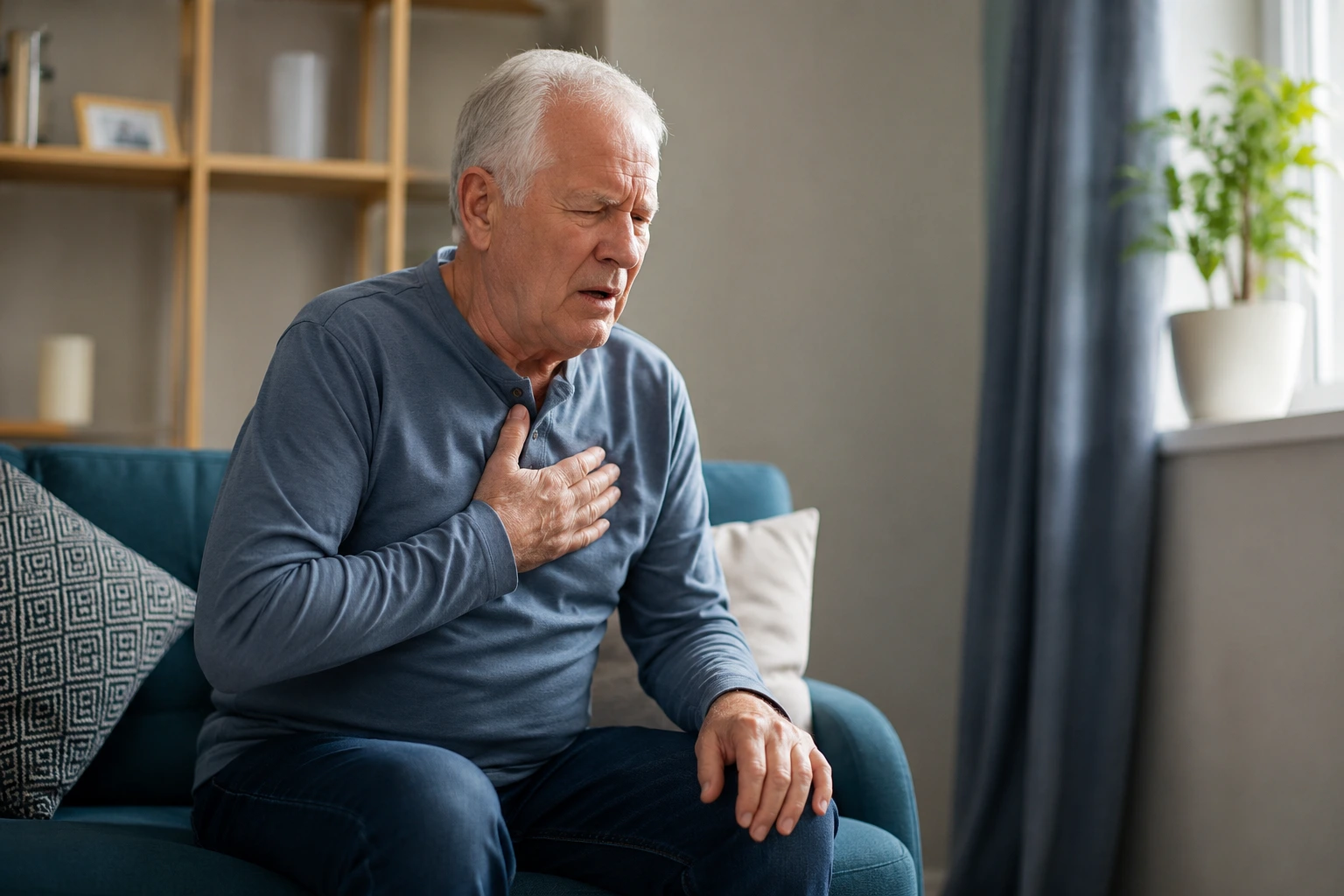
That persistent cough that won’t go away, the shortness of breath climbing stairs, the tightness in your chest that makes you pause mid-sentence – COPD explained simply means understanding how decades of exposure to smoke, pollution, and other irritants gradually damage your lungs until they can’t do their job properly anymore.
Understanding COPD onset
COPD doesn’t appear overnight. It develops gradually, often over decades, as the lungs and airways face repeated exposure to harmful irritants. Think of it like rust forming on metal – it starts invisibly and builds up over time. Cigarette smoke is the most common culprit, but air pollution, occupational dust, chemical fumes, and even indoor heating systems can contribute to this damage. As irritants enter the lungs repeatedly, the delicate tissues that line the airways become inflamed and scarred. The body tries to protect itself by producing excess mucus, which clogs the airways further. Over time, the elastic fibers in the lungs lose their stretch, making it harder to push air out. This is why seniors often experience chronic cough, persistent shortness of breath, and wheezing – their lungs are essentially struggling to move air in and out efficiently.
Risk factors for seniors
Age itself is a significant risk factor because lung function naturally declines as we grow older. Starting around age 30, lung capacity gradually decreases by about 1 percent per year, and this process accelerates after 65. But age alone doesn’t cause COPD – it’s the combination of factors that matters. Genetics play a surprising role too. Some people inherit a deficiency in a protective protein called alpha-1 antitrypsin, which leaves their lungs vulnerable even with minimal exposure to irritants. Previous respiratory infections, especially severe pneumonia or chronic bronchitis earlier in life, can permanently damage lung tissue and increase COPD risk. Environmental factors compound the problem – seniors who lived or worked in polluted areas, industrial settings, or homes with poor ventilation face higher risk. Even secondhand smoke exposure over decades can trigger COPD development. Additionally, women who cooked over open flames for years and men who worked in construction, mining, or manufacturing face elevated risk from occupational exposures.
Research insights on COPD
Scientific research has revealed several key mechanisms behind COPD development. First, chronic inflammation in the lungs and airways appears to be central to the disease. When irritants continuously trigger the immune system, inflammatory cells flood the airways, causing swelling and mucus production that never fully resolves. Second, studies have identified that alpha-1 antitrypsin deficiency significantly increases COPD risk, even in non-smokers. This protein normally protects lung tissue from damage, and without it, the lungs deteriorate faster. Third, research shows that secondhand smoke and indoor pollutants like cooking fumes and mold can substantially increase COPD risk, even in people who never smoked themselves. Fourth, scientists have discovered that COPD involves both emphysema (destruction of air sacs) and chronic bronchitis (inflammation of airways), and most seniors have elements of both. Finally, emerging research suggests that oxidative stress – an imbalance between harmful molecules and protective antioxidants – plays a major role in lung damage progression.
- Reduce exposure to smoke and pollutants by avoiding secondhand smoke, using air purifiers indoors, and checking local air quality reports before outdoor activities.
- Maintain a healthy lifestyle with regular exercise like walking or swimming, which strengthens respiratory muscles and improves lung efficiency.
- Attend regular check-ups with a healthcare provider who can monitor lung function and catch early signs of decline.
🔬 Science-backed benefits in 2 minuteschoose where to begin:
Symptoms and diagnosis
COPD symptoms often develop so gradually that seniors don’t notice them at first. A persistent cough that produces mucus, unusual fatigue that makes daily activities exhausting, and shortness of breath during activities like climbing stairs or walking uphill are common early signs. Many seniors mistake these for normal aging and don’t seek help until symptoms become severe. Chest tightness, frequent respiratory infections that linger longer than expected, and wheezing during breathing are additional warning signs. Diagnosing COPD requires specific tests because symptoms alone aren’t enough. Spirometry, a pulmonary function test, measures how much air the lungs can hold and how quickly air moves in and out. Chest X-rays reveal structural changes in the lungs, while blood tests check oxygen and carbon dioxide levels. Some doctors also use CT scans to assess emphysema severity. Early diagnosis is crucial because treatment started sooner can slow disease progression and help seniors maintain better quality of life.
Treatment options
COPD treatment focuses on managing symptoms and slowing disease progression rather than curing the condition. Medications form the foundation of treatment – bronchodilators relax airway muscles to improve breathing, while corticosteroids reduce inflammation. Many seniors use inhalers, which deliver medication directly to the lungs for faster relief. Pulmonary rehabilitation programs combine exercise training, breathing techniques, and education to help seniors strengthen respiratory muscles and learn energy-conservation strategies. Supplemental oxygen therapy becomes necessary when blood oxygen levels drop too low, helping the body get adequate oxygen during daily activities and sleep. Some seniors benefit from newer biologic medications that target specific inflammatory pathways. Lifestyle modifications matter significantly too – quitting smoking if applicable, avoiding air pollution, staying physically active within limits, and maintaining proper nutrition all support treatment effectiveness. Regular monitoring with healthcare providers helps adjust treatment as the condition evolves.
Preventive measures
Prevention focuses on avoiding or minimizing exposure to lung irritants throughout life. The most impactful step is avoiding tobacco smoke entirely – both active smoking and secondhand exposure. For seniors who still smoke, quitting at any age provides immediate and long-term benefits. Protecting yourself from air pollution means checking air quality indexes before outdoor activities, using air purifiers at home, and considering masks during high-pollution days. If you work or worked in dusty or chemical-heavy environments, proper protective equipment and ventilation are essential. Regular exercise strengthens the respiratory system and improves overall lung function – even moderate activities like daily walking provide significant benefits. Maintaining a healthy weight reduces strain on the respiratory system. Getting vaccinated against influenza and pneumonia prevents infections that can damage lungs further. Ensuring good indoor air quality by controlling humidity, preventing mold, and avoiding strong chemical cleaners protects lungs daily. Finally, attending routine medical check-ups allows early detection of lung problems before they progress to COPD.
Research clearly demonstrates that COPD in seniors results from the convergence of aging lungs, genetic predispositions, and cumulative environmental exposures over decades. Understanding these mechanisms empowers seniors to recognize early warning signs, seek timely diagnosis, and implement treatment strategies that preserve lung function and quality of life. While COPD cannot be reversed, early intervention and preventive measures can significantly slow progression.
Can COPD be cured?
COPD is a chronic condition without a cure, but this doesn’t mean treatment is ineffective. Modern medications, rehabilitation programs, and oxygen therapy can substantially manage symptoms, improve breathing capacity, and help seniors maintain active lifestyles. Early diagnosis and consistent treatment slow disease progression significantly.
What are the common complications of COPD?
Seniors with COPD face several potential complications including recurrent respiratory infections that are harder to fight, heart problems from the strain of poor oxygen levels, acute exacerbations requiring hospitalization, pneumonia, and pulmonary hypertension. Regular monitoring and preventive care reduce these risks.
Others also read:
Disclaimer: This article is for informational purposes only and is not a substitute for professional medical advice. Always consult a healthcare professional for personal guidance.
This article has been prepared and reviewed by the GlobalHealthBeacon editorial team and is based on current medical research and published scientific literature available in 2026. It provides structured, evidence-based information to support informed health decisions.
