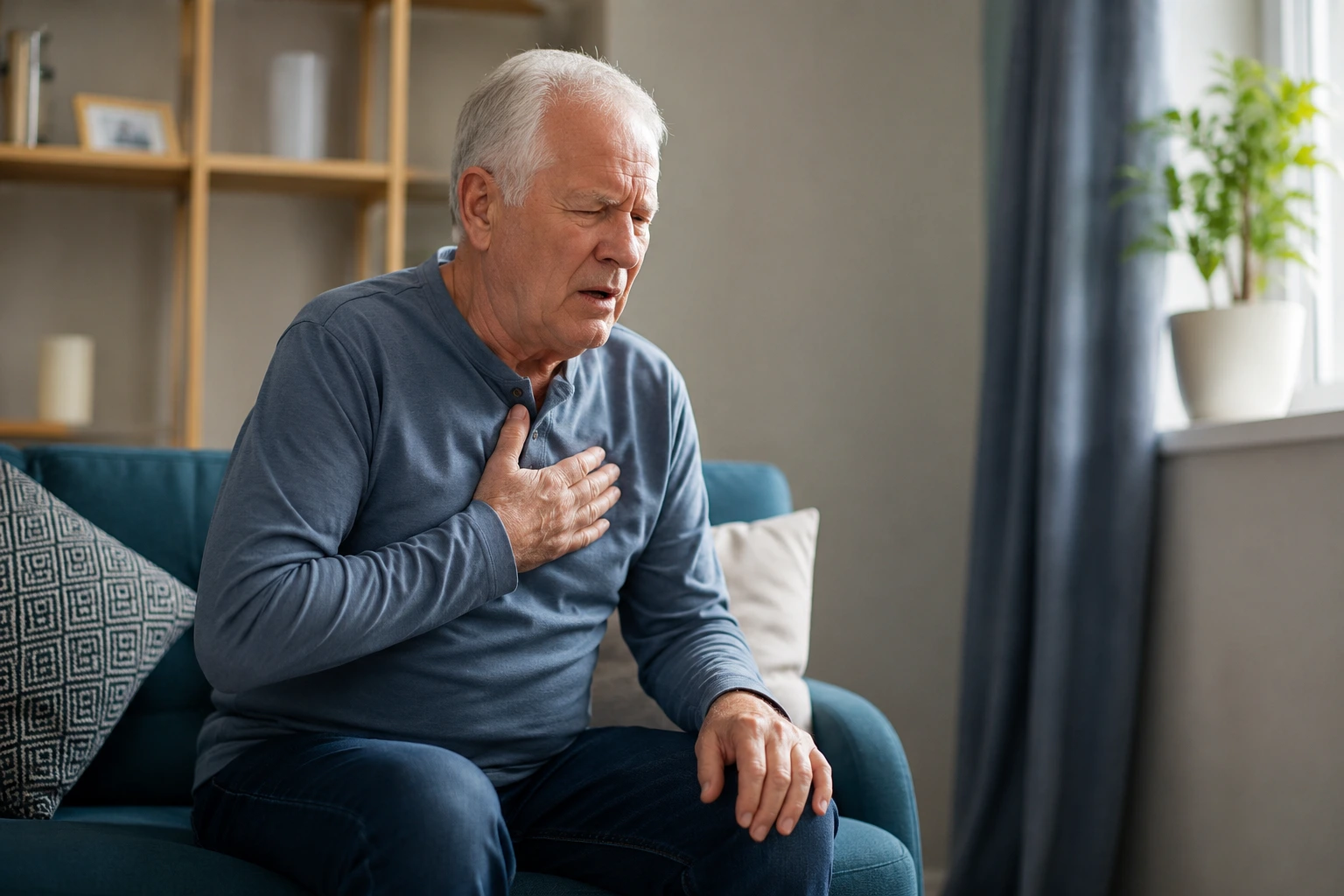
You reach for the remote on the high shelf and suddenly you’re gasping like you just ran a marathon, and that’s when COPD explained simply hits home: this condition turns ordinary moments into battles, but thousands of seniors are discovering that small, intentional changes can transform how they live and breathe every single day.
Managing COPD symptoms at home
Picture this: Margaret, a 72-year-old former teacher, used to spend her mornings tidying up before her grandkids arrived. Then COPD changed everything. She’d find herself winded after just walking from her bedroom to the kitchen. The turning point came when she started rearranging her entire home with one simple principle in mind: conserving energy. She moved her most-used items to waist level, installed a shower chair so she could bathe without exhaustion, and cleared pathways of clutter. These weren’t dramatic changes, but they gave her back control. Beyond the physical setup, breathing exercises became her daily ritual. Pursed-lip breathing, practiced while sitting in her favorite chair, helped calm her mind and improve oxygen flow. She also discovered that gentle movement like short walks around her living room, rather than avoiding activity altogether, actually strengthened her muscles and lifted her mood. Creating a COPD-friendly home isn’t about giving up independence; it’s about working smarter, not harder.
- Create a COPD-friendly environment by reducing clutter and improving air quality.
- Practice breathing exercises and relaxation techniques to manage stress and improve lung function.
- Stay active with gentle exercises like walking or tai chi to strengthen muscles and improve overall well-being.
Tips for managing COPD when out and about
Getting out into the world with COPD requires a different kind of planning than most people realize. James, a 68-year-old who loved visiting farmers markets, learned this the hard way. His first outing after diagnosis left him exhausted and discouraged. So he developed a strategy. He started using a lightweight portable oxygen concentrator, which gave him freedom without the bulk of older models. Before any trip, he mapped out rest spots, chose times when venues were less crowded, and gave himself permission to leave early without guilt. He’d break shopping trips into smaller segments, sitting on a bench between stops to catch his breath. The key insight? Pacing isn’t weakness; it’s wisdom. He also learned to communicate his needs to family members, letting them know when he needed to slow down. By managing expectations and building in buffer time, James reclaimed his social life without triggering dangerous breathlessness. The outside world doesn’t have to be off-limits when you plan thoughtfully.
💬 Ready to feel better in 2 minutes?choose where to begin:
Mental health and COPD: seeking support
Nobody talks about the invisible weight that comes with COPD, but every senior living with it knows it well. The frustration of not being able to do things you used to do, the anxiety about what comes next, the isolation when you can’t keep up with friends anymore. Sarah, a 70-year-old retired nurse, found herself spiraling into depression after her diagnosis. She stopped calling friends, avoided family gatherings, and spent days in her recliner feeling hopeless. The turning point came when her daughter gently insisted she join a COPD support group. Hearing other people’s stories, realizing she wasn’t alone in her fears, changed everything. She started opening up about her feelings instead of bottling them up. She reconnected with hobbies that still brought her joy, like listening to audiobooks and tending to indoor plants. She also worked with a counselor who helped her reframe her identity beyond her illness. Mental health isn’t a luxury when you’re managing COPD; it’s as essential as medication. Reaching out, whether to loved ones or professionals, isn’t giving up. It’s choosing to live fully, even within new limits.
Nutrition and COPD: eating well for better health
Robert discovered something unexpected after his COPD diagnosis: what he ate actually affected how he breathed. His doctor explained that certain foods caused bloating, which pressed against his lungs and made breathing harder. So he started paying attention. He shifted toward smaller, more frequent meals instead of three heavy ones. He loaded his plate with colorful vegetables, lean proteins like chicken and fish, and whole grains that kept him satisfied without weighing him down. He cut back on salt, which his body was retaining, and made sure to drink water throughout the day, not all at once. He learned that protein helped maintain muscle mass, which is crucial when living with COPD. Staying hydrated became part of his routine, sipped steadily rather than gulped. Within weeks, he noticed he had more energy and fewer breathing episodes after meals. Nutrition isn’t just about staying healthy; it’s about fueling your body to work better with your condition. Small dietary shifts can yield surprising improvements in how you feel day to day.
Seniors coping with COPD can enhance their quality of life by making simple adjustments at home, planning ahead when going out, prioritizing mental health, and maintaining a nutritious diet. By incorporating these strategies, seniors can navigate the daily challenges of COPD with greater ease and improve their overall well-being.
How can seniors improve indoor air quality to manage COPD?
Seniors can enhance indoor air quality by using air purifiers, keeping windows open for ventilation, avoiding smoking indoors, and regularly cleaning dust and mold-prone areas.
What types of breathing exercises are beneficial for seniors with COPD?
Seniors with COPD can benefit from pursed lip breathing, diaphragmatic breathing, and deep breathing exercises to improve lung function, reduce shortness of breath, and enhance oxygen intake.
Others also read:
Disclaimer: This article is for informational purposes only and is not a substitute for professional medical advice. Always consult a healthcare professional for personal guidance.
This article presents an experience-based perspective and has been reviewed by the GlobalHealthBeacon editorial team in 2026. It provides structured, evidence-based information to support informed health decisions.
