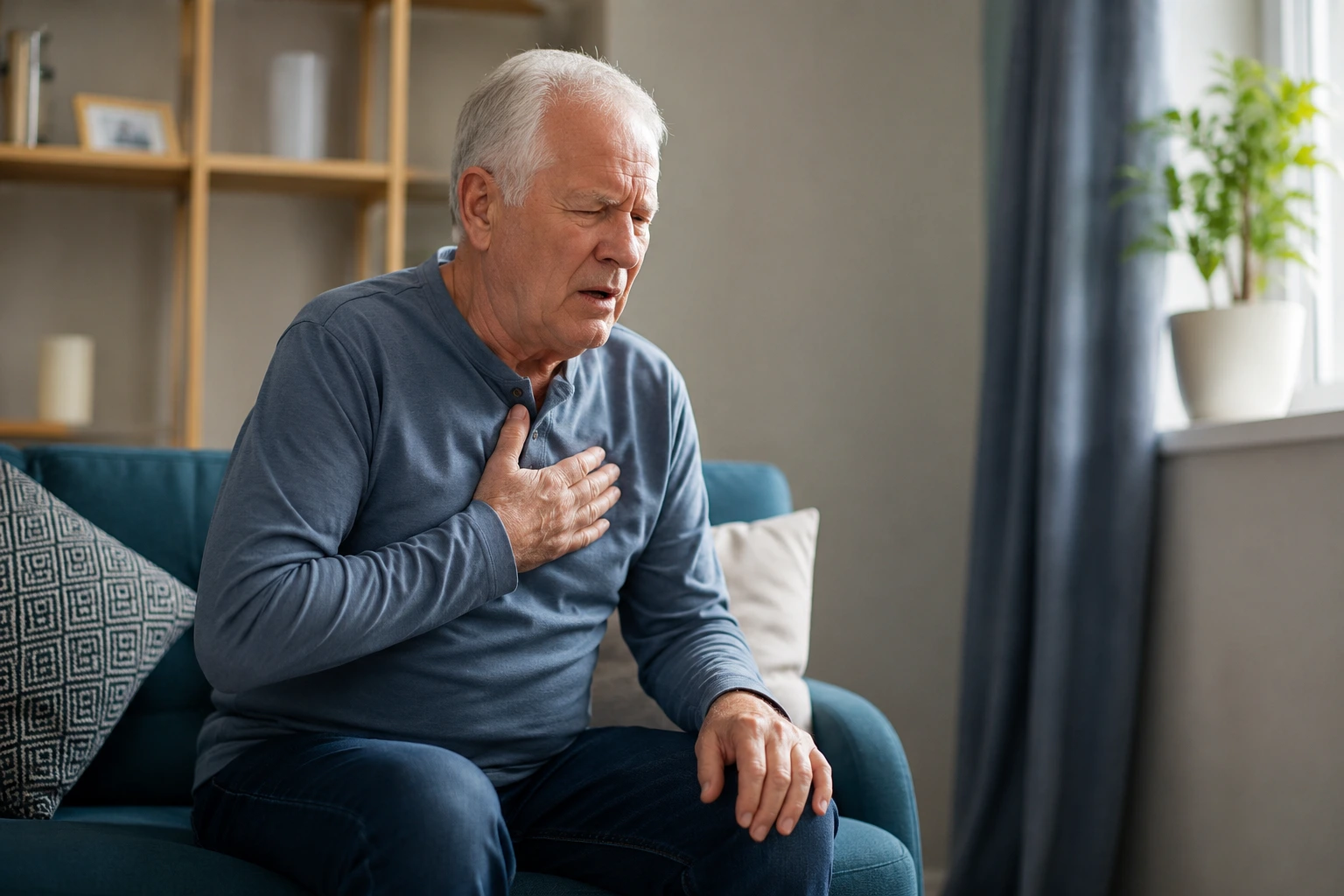
Imagine your lungs deciding to betray you mid-conversation, mid-workout, mid-life, and suddenly COPD explained simply means understanding why a flight of stairs feels like climbing a mountain when you’re only 35.
COPD daily struggles
Picture this: you’re 28, heading to work, and by the time you reach the third floor, your chest feels like someone’s wrapped a steel band around it. For many young adults with COPD, this isn’t a rare occurrence, it’s Tuesday. Simple tasks like climbing stairs, walking to your car, or even having a conversation become negotiations with your own body. You might start your day feeling okay, then suddenly find yourself struggling to catch your breath while doing laundry or playing with your niece. The unpredictability is exhausting. One day you can manage a 20-minute walk, the next day even standing for too long leaves you winded. Persistent coughing disrupts meetings, social gatherings, and quiet moments. The fatigue that follows is bone-deep, making it hard to maintain the energy young adults typically have. Many describe it as feeling trapped inside a body that won’t cooperate with their mind’s ambitions.
- Shortness of breath with minimal exertion
- Persistent coughing that disrupts daily activities
- Fatigue and weakness that makes it hard to stay active
Emotional impact of COPD
The physical symptoms are only half the battle. The emotional weight of COPD often catches young adults off guard. You might feel frustrated watching friends run marathons while you’re managing to walk around the block. Anxiety creeps in before social events, wondering if you’ll have a coughing fit or need to excuse yourself to catch your breath. Depression isn’t uncommon either, especially when you realize your diagnosis might change your career path, travel plans, or ability to keep up with your peers. Many young adults describe a sense of isolation, feeling like nobody their age truly understands what it’s like to live with a chronic condition usually associated with older people. The fear of breathlessness can become paralyzing, leading some to avoid activities altogether, which ironically makes things worse. You might feel angry at your body, grieving the life you thought you’d have, while simultaneously trying to appear fine to everyone around you.
💬 Ready to feel better in 2 minutes?choose where to begin:
Coping strategies for young adults
Despite these challenges, countless young adults with COPD have found ways to reclaim their lives. Pulmonary rehabilitation programs offer structured exercise under professional guidance, helping you understand your limits while gradually building capacity. Many find that consistent, gentle movement like walking or swimming becomes a foundation for managing symptoms. Nutrition matters too; eating smaller, more frequent meals can reduce bloating that makes breathing harder. Some young adults use breathing techniques like pursed-lip breathing before exertion, which sounds simple but genuinely helps. Stress management through meditation, journaling, or therapy addresses the emotional component. Setting realistic goals, celebrating small wins, and adjusting expectations without abandoning hope creates a sustainable path forward. Medication adherence, using inhalers correctly, and regular check-ups form the backbone of symptom control. The key is finding what works for your unique situation and being willing to adapt as needed.
Support system and community
One of the most transformative discoveries many young adults make is connecting with others who truly get it. Online communities, support groups, and COPD organizations create spaces where you’re not the odd one out for needing to sit down during shopping or having breathing concerns. These connections normalize your experience and provide practical tips from people living the same reality. Family understanding matters enormously too; when loved ones learn about COPD, they stop taking your limitations personally and start offering genuine support. Some young adults find mentorship from older individuals with COPD who’ve navigated decades with the condition, offering hope and perspective. Healthcare providers who listen and collaborate with you rather than lecture at you make a real difference. Building this network doesn’t happen overnight, but it’s worth the effort. You’re not alone in this, even when it feels that way at 2 a.m. when anxiety hits or after a particularly difficult day.
Living with COPD as a young adult is a daily battle against breathlessness, fatigue, and emotional distress. Despite the challenges, there are coping strategies and support systems that can help individuals manage their symptoms and improve their quality of life.
How does COPD affect young adults differently than older adults?
While COPD presents similar symptoms in young and older adults, the impact on younger individuals can be more profound due to the disruption in work, social life, and personal relationships.
Can young adults with COPD lead a normal life?
With proper management and lifestyle adjustments, young adults with COPD can lead fulfilling lives, although they may need to make certain accommodations to accommodate their symptoms.
Others also read:
Disclaimer: This article is for informational purposes only and is not a substitute for professional medical advice. Always consult a healthcare professional for personal guidance.
This article presents an experience-based perspective and has been reviewed by the GlobalHealthBeacon editorial team in 2026. It provides structured, evidence-based information to support informed health decisions.
