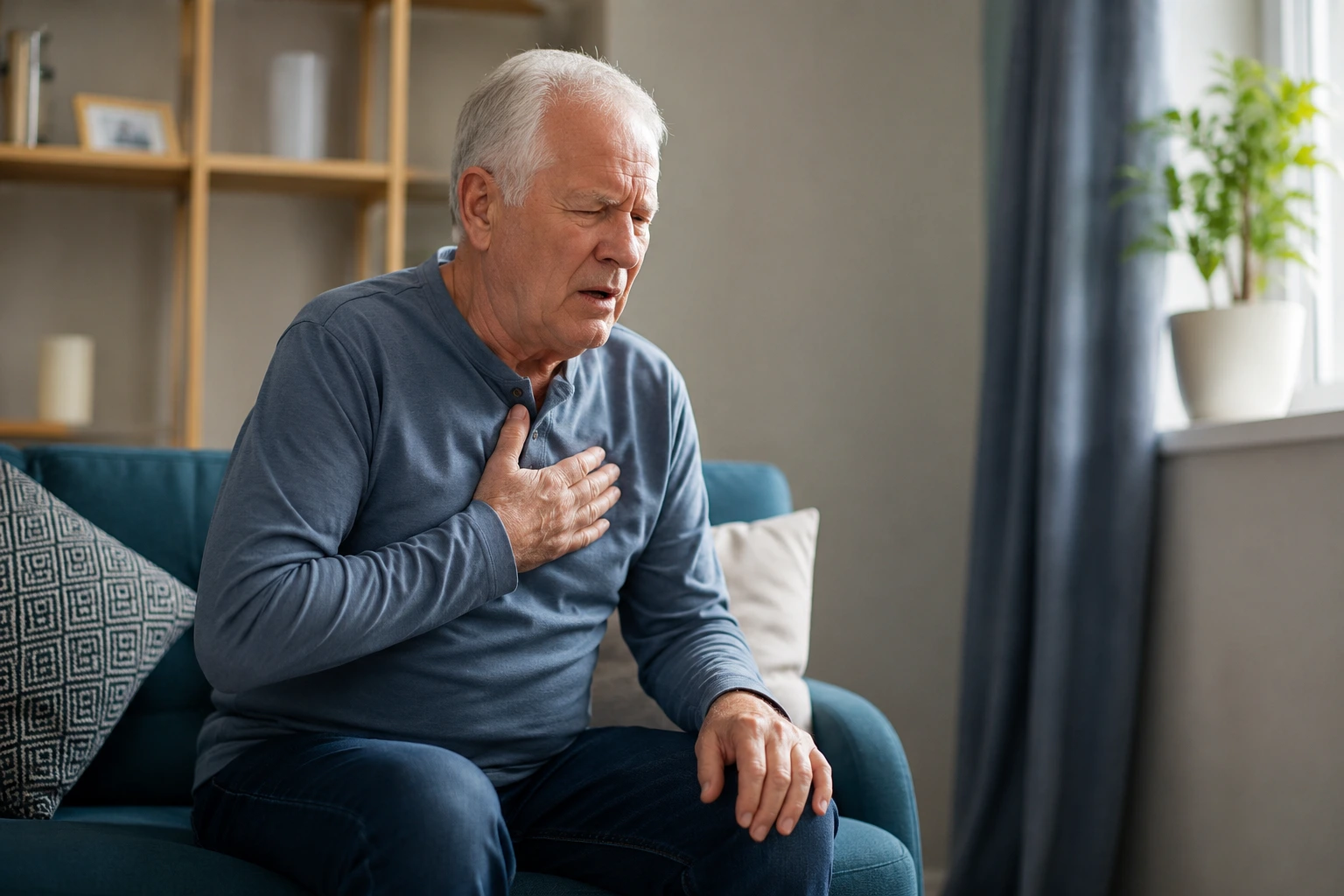
You’re climbing stairs and suddenly you’re gasping for air, or you wake up coughing and can’t shake it, and you’re wondering what’s happening to your body – that’s when COPD explained simply becomes the lifeline you need to understand what’s really going on and take back control.
What is COPD?
COPD stands for Chronic Obstructive Pulmonary Disease, and it’s essentially your lungs losing their ability to move air in and out the way they should. Think of it like this: normally, air flows freely through your airways, but with COPD, those passages become narrowed, inflamed, or even damaged. The condition typically combines chronic bronchitis, where your airways produce excess mucus, and emphysema, where the tiny air sacs in your lungs break down. For someone in their 60s or beyond, this might mean that a walk around the block leaves you winded, or a simple task like vacuuming triggers a coughing fit. The disease is progressive, meaning it generally gets worse over time if not managed properly. Understanding this foundation helps you recognize why your doctor recommends certain treatments and why lifestyle choices matter so much moving forward.
- Mainly caused by smoking but can also result from long-term exposure to irritants like air pollution, dust, or chemical fumes in the workplace
- Symptoms include persistent coughing, wheezing, shortness of breath during normal activities, and chest tightness or discomfort
- Requires proper diagnosis through lung function tests and ongoing management to control symptoms and slow progression
Diagnosis and testing
Getting a proper COPD diagnosis starts with your doctor listening to your symptoms and medical history. They’ll ask about your smoking history, occupational exposures, and how long you’ve noticed breathing problems. The key test is called spirometry, which measures how much air your lungs can hold and how quickly you can exhale. You’ll breathe into a machine that records these numbers, giving your doctor concrete data about your lung function. A chest X-ray or CT scan might follow to rule out other conditions and see if there’s visible damage to your lungs. Your doctor may also check your oxygen levels with a simple pulse oximeter clipped to your finger. These tests aren’t painful, though spirometry requires a bit of effort and coordination. Once diagnosed, your results get classified into stages ranging from mild to very severe, which directly influences which treatments your doctor recommends. Don’t hesitate to ask your doctor to explain your results in plain language so you truly understand where you stand.
📘 Fix your day in under 2 minuteschoose where to begin:
Treatment options
COPD treatment is highly personalized because everyone’s lungs respond differently. Most people start with inhalers, which deliver medication directly to the lungs where it’s needed most. There are two main types: rescue inhalers that work quickly when you’re struggling to breathe, and maintenance inhalers you use daily to prevent symptoms. Your doctor might prescribe bronchodilators that relax airway muscles, or corticosteroids that reduce inflammation. For many seniors, pulmonary rehabilitation programs are game-changers. These combine supervised exercise, breathing techniques, and education to help you build strength and confidence. Oxygen therapy becomes necessary when your blood oxygen drops too low, and modern portable oxygen systems are far more convenient than older models. In advanced cases, your doctor might discuss surgical options like lung volume reduction surgery. The goal isn’t to cure COPD, which isn’t currently possible, but to give you the tools and treatments that let you breathe easier and stay active doing the things that matter to you.
Lifestyle changes
If you’re still smoking, quitting is the single most important thing you can do for your lungs. Your doctor can connect you with cessation programs, medications, or counseling to help you succeed. Beyond smoking, staying physically active matters tremendously. This doesn’t mean running marathons; it means walking regularly, doing gentle strength training, or water aerobics at your pace. Movement helps your heart pump oxygen more efficiently and strengthens the muscles that support breathing. Nutrition plays a quiet but crucial role too. Eating a balanced diet with plenty of fruits, vegetables, and lean proteins keeps your immune system strong and helps you maintain a healthy weight, which reduces strain on your lungs. Avoid respiratory irritants like secondhand smoke, air pollution, and strong chemical fumes. During cold and flu season, practice good hand hygiene and consider getting vaccinated. Stay hydrated because it helps thin mucus in your airways, making it easier to clear. These lifestyle shifts aren’t restrictions; they’re investments in how you feel every single day.
Coping with COPD
Living with COPD is a journey that gets easier once you accept the diagnosis and build your support system. Many people find that joining a COPD support group, either in person or online, transforms their experience because you’re suddenly around others who truly understand the frustration of catching your breath or planning activities around energy levels. Education is your ally, so stay informed about your condition through reputable sources and ask your healthcare team questions whenever something feels unclear. Develop a relationship with your doctor based on honest communication about how you’re actually doing, not just what you think they want to hear. Create an action plan with your doctor that spells out what to do if symptoms worsen, when to call for help, and how to use your medications correctly. Many seniors find that keeping a symptom diary helps them notice patterns and triggers. Accept that some days are harder than others, and that’s normal. Celebrate small wins like walking a bit further than last week or needing your rescue inhaler less often. With proper management, support, and a realistic mindset, most people with COPD continue to enjoy meaningful activities and maintain their independence well into their later years.
COPD, or Chronic Obstructive Pulmonary Disease, is a progressive lung condition that makes breathing challenging, but understanding its basics empowers you to manage it effectively. From recognizing what COPD actually is to navigating diagnosis, exploring treatment options, making lifestyle changes, and building your coping strategies, you now have a roadmap for living well with this condition. The key is working closely with your healthcare team, staying consistent with your treatment plan, and remembering that many people in their 60s and beyond lead fulfilling, active lives while managing COPD successfully.
What are the main risk factors for COPD?
The primary risk factor for COPD is smoking, whether current or past. However, long-term exposure to air pollution, occupational dust or chemical fumes, secondhand smoke, and indoor air pollution from cooking or heating can also contribute significantly to COPD development. Some people have a genetic predisposition that makes their lungs more vulnerable to damage.
Can COPD be cured?
While COPD is not curable, proper management through medications, pulmonary rehabilitation, lifestyle changes, and medical support can help control symptoms, slow disease progression, improve your lung function, and significantly enhance your quality of life. Many people manage COPD successfully for years and maintain their independence and activities.
Others also read:
Disclaimer: This article is for informational purposes only and is not a substitute for professional medical advice. Always consult a healthcare professional for personal guidance.
This guide has been prepared and reviewed by the GlobalHealthBeacon editorial team and reflects current medical research as of 2026. It provides structured, evidence-based information to support informed health decisions.
