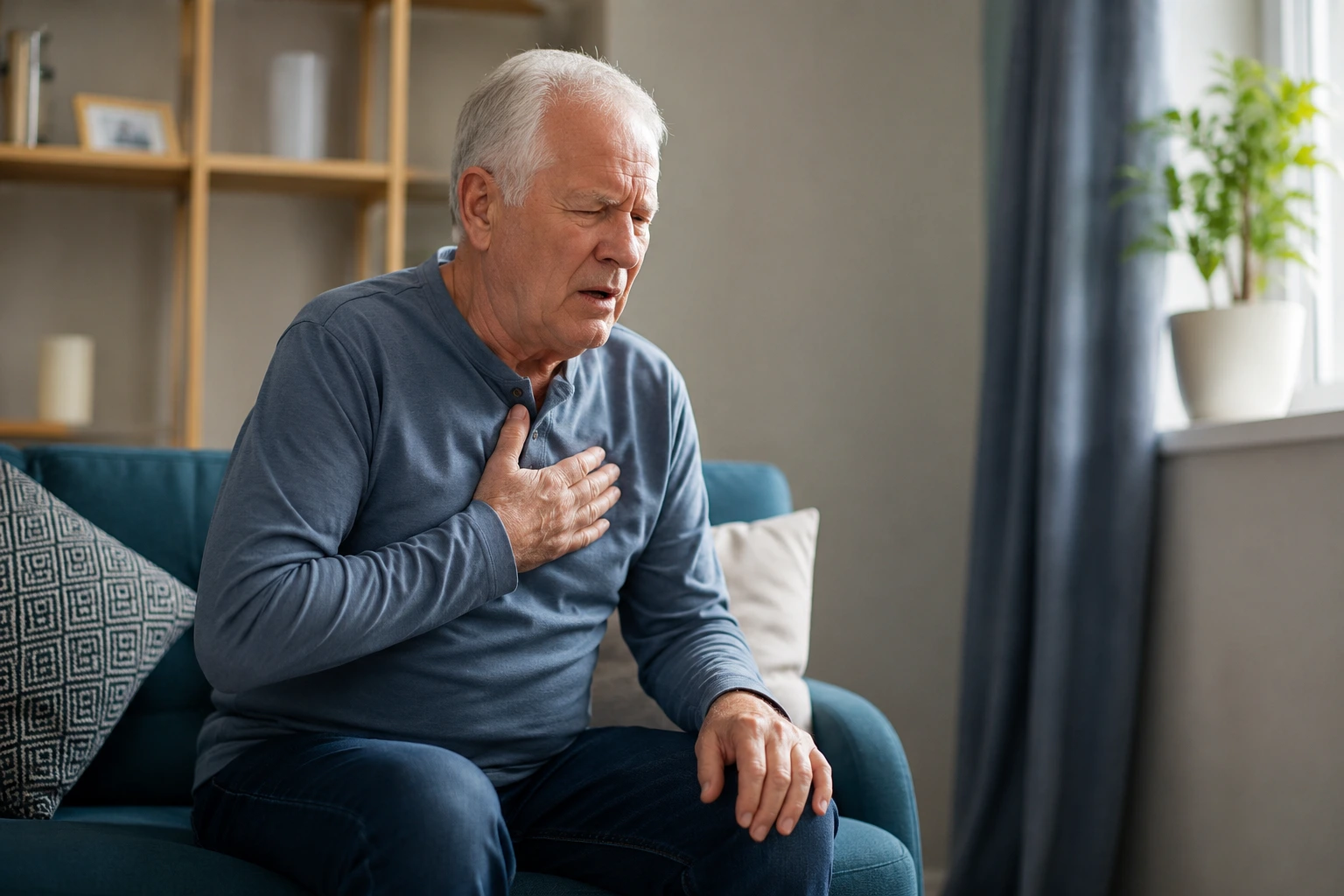
Every breath feels like a battle when you’re living with COPD, and COPD explained simply means understanding why climbing one flight of stairs leaves you gasping, why a simple conversation with your grandkids exhausts you, and why your body seems to betray you when you need it most.
Understanding COPD symptoms
Shortness of breath, a persistent cough, and chest tightness are more than just medical terms when you’re living them every single day. Imagine waking up and feeling like your lungs are wrapped in tight bands, making even the simplest tasks feel monumental. Sarah, a 58-year-old teacher, describes it as trying to breathe through a coffee filter. She used to grade papers while sipping tea, but now she needs to sit down after just ten minutes of work. These symptoms worsen gradually, stealing pieces of your life bit by bit. Cooking dinner becomes a two-hour ordeal with breaks in between. Gardening, something that once brought joy, now triggers anxiety about whether you’ll have enough breath to finish. Women often notice these changes creeping in so slowly that they adjust without realizing how much they’ve already lost.
- Decreased lung function leading to limited physical activity and needing rest after short walks or household chores.
- Frequent respiratory infections requiring medical intervention and disrupting work or family commitments.
- Unpredictable flare-ups causing anxiety, fear of being away from home, and disruption to daily routines and social plans.
Coping strategies for women with COPD
Managing COPD isn’t about one magic solution but rather building a toolkit of strategies that work for your unique life. Regular gentle exercise like walking or water aerobics helps maintain lung capacity, though pacing yourself is crucial. A balanced diet rich in anti-inflammatory foods supports your body’s energy levels. Taking medications exactly as prescribed, even on days you feel fine, keeps your lungs functioning at their best. Many women find pulmonary rehabilitation programs transformative because they connect you with others who truly understand. Online communities become lifelines where you can ask questions without judgment at 2 AM when anxiety hits. Some women swear by breathing techniques learned in yoga or meditation apps. Others find that keeping a symptom diary helps identify personal triggers like certain weather patterns or specific activities. The key is discovering what combination works for you and staying consistent, even when progress feels invisible.
💬 Ready to feel better in 2 minutes?choose where to begin:
Emotional impact of COPD
The emotional weight of COPD often goes unspoken but cuts deeper than the physical symptoms. Many women describe feeling invisible, as if the world expects them to push through while their bodies scream for mercy. There’s grief in losing the ability to do things you took for granted. Jennifer, a 62-year-old grandmother, cried the first time she couldn’t play tag with her grandchildren. Isolation creeps in when you cancel plans because you’re too tired or afraid of having a flare-up in public. The fear of the future can be paralyzing. What if it gets worse? Will I become a burden? These thoughts are real and valid. Mental health support, whether through therapy, support groups, or trusted friends, becomes as important as any medication. Many women find that staying purposeful, maintaining hobbies adapted to their energy levels, and allowing themselves to feel their emotions without shame creates a healthier mindset for the long journey ahead.
Empowering women in their COPD journey
Empowerment starts with education. Understanding your condition, knowing your treatment options, and learning about new therapies gives you agency in your own care. Self-care practices like protecting yourself from air pollution, getting vaccinated, and maintaining good sleep hygiene are acts of self-respect. Advocacy means speaking up in doctor’s appointments, asking questions, and not settling for explanations that don’t make sense to you. Sharing your story, whether with close friends or online communities, reminds you that you’re not alone and helps others feel less isolated. Some women become advocates themselves, raising awareness about COPD in women or pushing for better research funding. Staying informed about treatment options, asking your doctor about clinical trials, and exploring pulmonary rehabilitation keeps you actively involved in your care rather than passively accepting limitations. This journey requires resilience, but resilience isn’t about never struggling. It’s about struggling and continuing anyway, one breath at a time.
Women living with COPD face daily struggles with symptoms like shortness of breath and chest tightness that reshape their lives in ways others don’t always understand. Coping strategies, emotional support, and empowerment are key elements in managing COPD effectively and improving quality of life.
How does COPD affect women differently than men?
While COPD symptoms are generally similar between men and women, women may experience more severe symptoms, a faster decline in lung function, and a higher risk of exacerbations due to hormonal and biological differences.
What are the common triggers for COPD flare-ups?
Common triggers for COPD flare-ups include exposure to tobacco smoke, air pollution, respiratory infections, and changes in weather conditions. Managing these triggers and following a care plan can help reduce the frequency of flare-ups.
Others also read:
Disclaimer: This article is for informational purposes only and is not a substitute for professional medical advice. Always consult a healthcare professional for personal guidance.
This article presents an experience-based perspective and has been reviewed by the GlobalHealthBeacon editorial team in 2026. It provides structured, evidence-based information to support informed health decisions.
