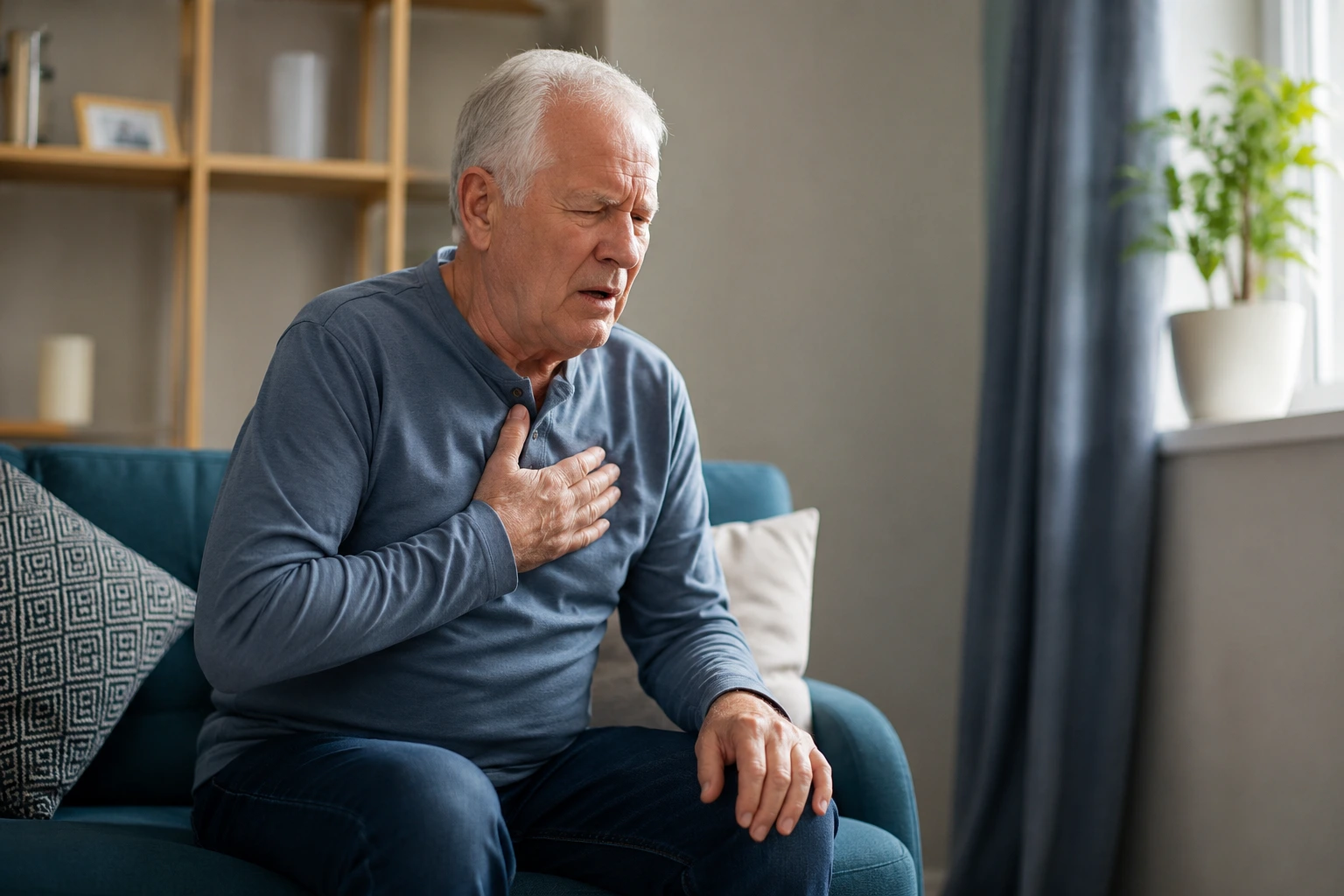
Every breath feels like a battle when COPD inflammation tightens your airways, and if you’re a woman, you’re likely experiencing this struggle harder and faster than you ever expected – but understanding what’s actually happening inside your lungs is the first step to taking back control.
Inflammation in COPD
Chronic obstructive pulmonary disease, or COPD, is fundamentally a story of inflammation gone wrong. Your lungs are designed to handle irritants with a temporary inflammatory response, but in COPD, this protective mechanism gets stuck in overdrive. When you breathe in cigarette smoke, air pollution, or occupational dust over years, your airways and lung tissue suffer repeated injury. Your body’s natural response is to send inflammatory cells to the area, but instead of healing and moving on, the inflammation becomes chronic and relentless. Think of it like a wound that never fully closes. The immune system keeps releasing inflammatory chemicals like cytokines and reactive oxygen species, which damage the delicate structures of your airways. Over time, this persistent inflammation causes the airway walls to thicken, lose their flexibility, and become scarred. The lining of your airways also changes, producing excess mucus as a misguided attempt to protect itself. This is why COPD isn’t just about breathing difficulty in the moment – it’s about structural changes that accumulate and worsen over time.
Impact on airways
When inflammation takes hold in your airways, the effects ripple through your entire respiratory system. The inflamed tissue swells, narrowing the passages that air travels through – imagine trying to breathe through a straw that keeps getting smaller. Your airways also begin producing excessive mucus, which clogs these already-narrowed passages, making it even harder to move air in and out of your lungs. This is why you might experience that persistent, frustrating cough that doesn’t seem to go away no matter what you do. The mucus buildup also creates an environment where bacteria can thrive, leading to frequent respiratory infections that further irritate your airways. Over months and years, the constant inflammation causes your airways to lose their natural elasticity and recoil. Healthy airways have a springy quality that helps push air out during exhalation, but inflamed airways become stiff and less responsive. This loss of elasticity means air gets trapped in your lungs, a condition called air trapping, which contributes to that sensation of breathlessness even when you’re resting. The wheezing sound you might hear is the air struggling to squeeze through these narrowed, inflamed passages.
Functions of inflamed airways
When your airways become inflamed from COPD, several interconnected changes happen that affect how your lungs function. First, your airways become hyperresponsive, meaning they overreact to triggers that wouldn’t normally bother healthy lungs. Exposure to cold air, strong smells, or even laughing can trigger sudden constriction and coughing fits. Second, the residual capacity of your lungs increases because air gets trapped and doesn’t fully exit with each breath. This trapped air takes up space that should be available for fresh oxygen-rich air, reducing how much new air you can breathe in. Third, the chronic inflammation creates oxidative stress, where harmful molecules called free radicals accumulate and damage lung tissue at the cellular level. This oxidative damage accelerates the breakdown of elastin and collagen, the proteins that give your lungs their structure and elasticity. Additionally, inflamed airways produce inflammatory mediators that recruit more immune cells, perpetuating a cycle of damage. The mucus-producing cells in your airways multiply in response to inflammation, leading to the thick, sticky secretions that are hard to clear. Finally, the smooth muscle surrounding your airways can become thickened and more reactive, contributing to airway constriction during exacerbations.
- Use prescribed inhalers exactly as directed by your healthcare provider, taking note of whether you’re using a rescue inhaler for sudden symptoms or a maintenance inhaler for daily control, and ask your provider to watch your technique to ensure you’re using them correctly.
- Participate in pulmonary rehabilitation programs, which combine exercise training, breathing techniques, and education to help you understand your condition better and improve your physical endurance and quality of life.
- Avoid exposure to lung irritants such as cigarette smoke, air pollution, and dust by checking air quality reports, using air filters in your home, and staying indoors on high pollution days to prevent exacerbations and slow disease progression.
🔬 Science-backed benefits in 2 minuteschoose where to begin:
Management strategies
Managing COPD effectively requires a personalized approach that combines medication, lifestyle changes, and ongoing support. Bronchodilators work by relaxing the muscles around your airways to open them up and make breathing easier, while inhaled corticosteroids reduce inflammation directly in your lungs. Some women benefit from combination inhalers that deliver both medications in one device. Oxygen therapy becomes necessary when your blood oxygen levels drop below safe levels, and using supplemental oxygen can improve your energy levels and reduce the strain on your heart. Beyond medications, quitting smoking is the single most impactful change you can make, as continued smoking accelerates lung damage and makes all other treatments less effective. Regular physical activity, even gentle walking or water aerobics, helps maintain your cardiovascular fitness and strengthens the muscles you use for breathing. Eating a balanced diet rich in antioxidants and anti-inflammatory foods like fruits, vegetables, and omega-3 fatty acids may help reduce inflammation. Staying up to date with vaccinations, particularly the flu and pneumonia vaccines, protects you from infections that can trigger serious exacerbations. Pulmonary rehabilitation programs teach you breathing techniques like pursed-lip breathing, which slows your exhalation and helps prevent airway collapse. Managing stress through relaxation techniques is also important, as stress can trigger airway constriction and worsen symptoms.
Gender differences
Women with COPD face a unique set of challenges that differ significantly from men’s experiences with the disease. Research shows that women often develop more severe airflow obstruction and experience faster disease progression, even when they have similar smoking histories. Women also tend to report more severe symptoms like dyspnea and cough, which can significantly impact daily functioning and quality of life. Several factors contribute to these gender disparities. Women typically have smaller lung volumes than men, which means the same amount of inflammation and damage has a proportionally greater impact on their breathing capacity. Hormonal fluctuations throughout the menstrual cycle, perimenopause, and menopause may influence airway inflammation and symptom severity, though research in this area is still emerging. Women may also be more likely to develop certain COPD phenotypes, such as those with prominent emphysema or chronic bronchitis features. Additionally, women smokers may be more susceptible to the damaging effects of cigarette smoke on their lungs. Social and behavioral factors also play a role – women may delay seeking medical care, leading to later diagnosis and more advanced disease. Understanding these gender-specific patterns helps healthcare providers tailor treatment plans to address the particular needs and risks that women face with COPD.
Research and future insights
The landscape of COPD research is rapidly evolving, with scientists working to uncover new therapeutic targets that could transform how we treat this disease. Researchers are investigating anti-inflammatory agents that could reduce the chronic inflammation at the heart of COPD without suppressing the immune system’s ability to fight infections. Immunomodulators are being studied to help rebalance the immune response so it doesn’t perpetually attack lung tissue. Understanding the molecular mechanisms underlying COPD inflammation is revealing specific pathways that could be targeted with precision medicine approaches. For example, scientists are exploring how certain proteins and signaling molecules drive the inflammatory cascade, with the goal of developing drugs that interrupt this process at specific points. Genetic research is identifying which women are at higher risk for developing COPD and experiencing more severe disease, potentially allowing for earlier intervention and prevention strategies. Emerging therapies include stem cell treatments, which may help regenerate damaged lung tissue, and novel inhalation devices that deliver medications more effectively to the lungs. Personalized treatment approaches are on the horizon, where your individual genetic profile, inflammatory markers, and disease characteristics would guide treatment selection. These advances offer hope that future COPD management will be more targeted, effective, and tailored to each person’s unique situation.
COPD is characterized by chronic inflammation in the airways that leads to structural changes, airflow limitation, and progressive breathing difficulty. Women with COPD often experience more severe symptoms and faster disease progression due to factors including smaller lung volumes, hormonal influences, and potentially greater susceptibility to smoking-related damage. Effective management combines medications like bronchodilators and corticosteroids, lifestyle modifications including smoking cessation and regular exercise, and participation in pulmonary rehabilitation programs. Understanding the gender-specific aspects of COPD helps healthcare providers develop personalized treatment strategies that address women’s particular needs and improve outcomes.
What are the common symptoms of COPD in women?
Common symptoms of COPD in women include shortness of breath that worsens with activity, a persistent cough that may produce mucus, wheezing or a whistling sound when breathing, chest tightness or discomfort, and frequent respiratory infections. Women may also experience fatigue, difficulty sleeping due to breathing problems, and anxiety related to their symptoms. Symptoms often develop gradually over years and may be initially dismissed as normal aging or fitness limitations.
Can COPD be cured?
Currently, there is no cure for COPD because the structural damage to airways and lung tissue cannot be reversed. However, with proper management and treatment, symptoms can be effectively controlled, disease progression can be slowed significantly, and quality of life can be substantially improved. Early diagnosis and aggressive management, particularly smoking cessation, offer the best outcomes for slowing decline and maintaining function.
Others also read:
Disclaimer: This article is for informational purposes only and is not a substitute for professional medical advice. Always consult a healthcare professional for personal guidance.
This article has been prepared and reviewed by the GlobalHealthBeacon editorial team and is based on current medical research and published scientific literature available in 2026. It provides structured, evidence-based information to support informed health decisions.
