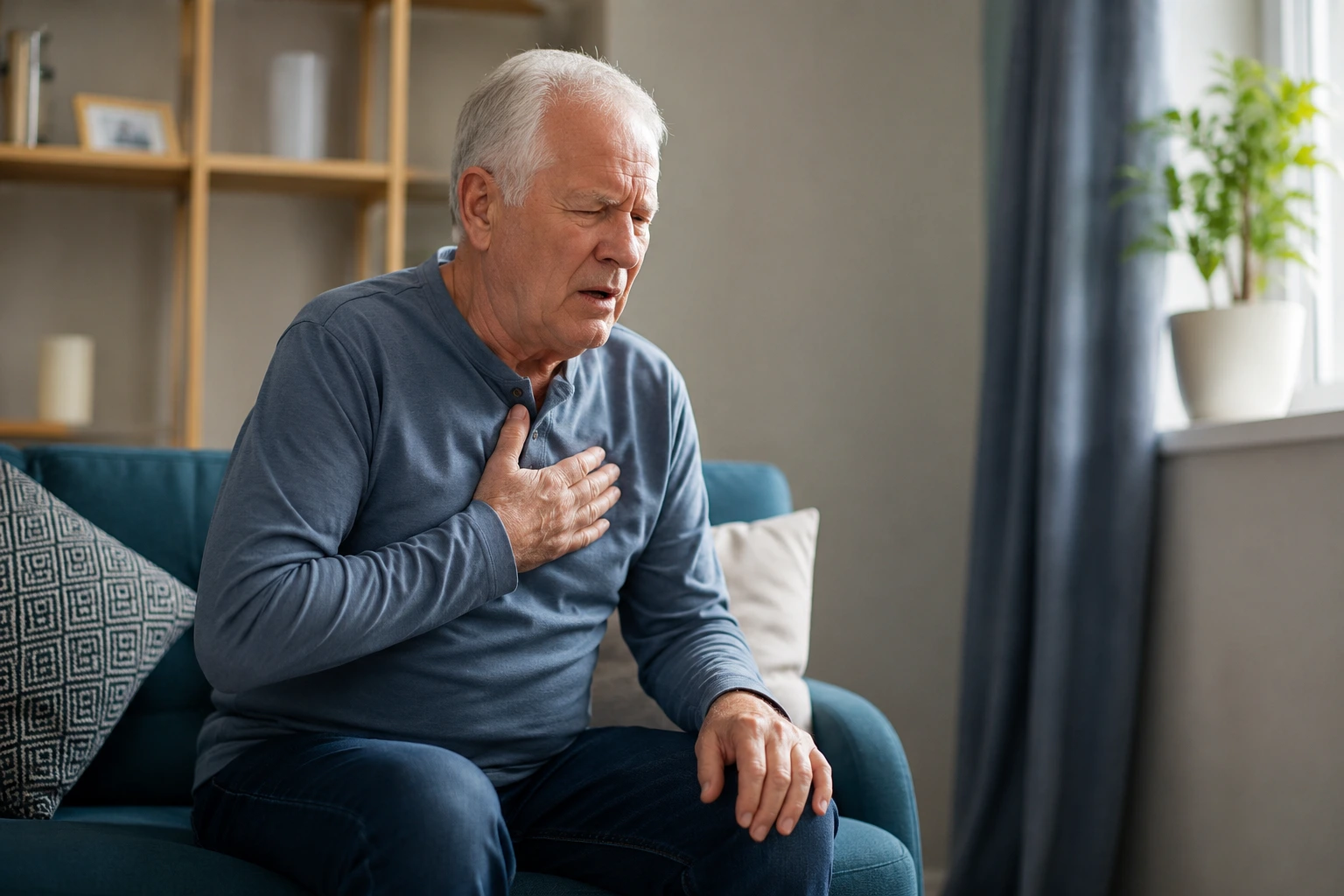
Every breath feels like a battle when COPD tightens its grip on your lungs, and COPD explained simply means understanding why your body is working so hard just to breathe normally.
The basics of COPD
Chronic Obstructive Pulmonary Disease, or COPD, isn’t just one condition but rather a group of progressive lung diseases that obstruct airflow and make breathing progressively harder over time. The two most common forms are emphysema and chronic bronchitis, though many people live with both simultaneously. Think of it like this: imagine your airways as highways for oxygen. In COPD, these highways gradually narrow and become congested with inflammation and mucus, making it harder for air to flow freely in and out. Long-term exposure to irritants like cigarette smoke is the primary culprit, though air pollution, occupational dust, and chemical fumes can also trigger the condition. Young adults who smoke or work in dusty environments should pay attention here, because COPD often develops silently over years before symptoms become noticeable. The disease doesn’t happen overnight; it’s the result of repeated injury to lung tissue that accumulates over time.
How COPD progresses
COPD progression is like watching dominoes fall in slow motion. As the disease develops, the delicate air sacs in your lungs, called alveoli, become damaged and lose their elasticity. Picture these air sacs as tiny balloons; when they’re healthy, they inflate and deflate smoothly with each breath. In COPD, these balloon-like structures lose their stretch, become rigid, and their walls actually break down. This destruction means less surface area available for oxygen to cross into your bloodstream and for carbon dioxide to be expelled. The process is irreversible, which is why early intervention matters so much. A 35-year-old smoker might notice mild shortness of breath climbing stairs, thinking it’s just being out of shape. But what’s actually happening is their alveoli are already being damaged, and without intervention, this damage compounds year after year. The progression varies from person to person, but the trajectory is always downward without treatment.
The science behind lung damage
Understanding the mechanics of lung damage in COPD requires looking at three interconnected processes happening simultaneously. First, chronic inflammation in the airways and lung tissue triggers excess mucus production, which further narrows air passages and creates a perfect environment for infections. Second, the destruction of alveoli diminishes the lungs’ ability to exchange gases effectively, meaning less oxygen gets into your blood and carbon dioxide lingers in your lungs. Third, the progressive nature of COPD causes irreversible damage to lung tissue that worsens over time, creating a downward spiral. Imagine a 40-year-old who spent 20 years smoking: their lungs are now producing excessive mucus, their air sacs are collapsing, and their body is working overtime just to maintain basic oxygen levels. The inflammation also damages the elastic fibers that help lungs recoil, making exhalation harder. This is why people with COPD often describe feeling like they can’t get air out of their lungs, not just that they can’t breathe in. The damage accumulates silently until the body simply can’t compensate anymore.
- Quit smoking immediately to halt further lung tissue damage and give your lungs a chance to stabilize.
- Follow prescribed treatments and medications consistently, as they work to reduce inflammation and open airways.
- Engage in regular physical activity tailored to your fitness level to improve lung function and cardiovascular health.
🔬 Science-backed benefits in 2 minuteschoose where to begin:
Impact on breathing
As COPD advances, the impact on daily breathing becomes increasingly noticeable and restrictive. Individuals often experience persistent shortness of breath that worsens with physical activity, chronic coughing that can last for weeks, wheezing sounds as air struggles through narrowed airways, and chest tightness that feels like pressure. These symptoms can severely affect daily activities and quality of life in ways that might surprise you. A young adult with moderate COPD might find themselves unable to play sports, climb stairs without stopping, or even walk to their car without catching their breath. The coughing can be exhausting, disrupting sleep and social situations. Some people develop a productive cough that brings up mucus, while others experience a dry, persistent hack. The psychological impact matters too; anxiety about breathing difficulties can actually worsen symptoms, creating a vicious cycle. Many people report that COPD changes how they see themselves and what they thought their future would look like, making the emotional toll just as significant as the physical symptoms.
Diagnosis and management
Diagnosing COPD involves several tests that measure how well your lungs function and how much damage has occurred. Pulmonary function tests, or spirometry, measure how much air you can inhale and exhale and how quickly you can move air in and out of your lungs. Imaging studies like chest X-rays or CT scans reveal structural damage to lung tissue and help rule out other conditions. Once diagnosed, treatment focuses on three main goals: managing symptoms to improve daily quality of life, improving lung function through medications and therapies, and preventing exacerbations or flare-ups that can be serious. Medications like bronchodilators help relax airway muscles and improve airflow, while corticosteroids reduce inflammation. Oxygen therapy becomes necessary when blood oxygen levels drop too low. Pulmonary rehabilitation programs combine exercise training, education, and counseling to help people live better with COPD. A young adult newly diagnosed might work with a respiratory therapist to learn proper inhaler technique, develop an exercise plan, and understand their medications. The key is catching COPD early, when interventions can have the most impact on slowing progression.
Research and future prospects
The landscape of COPD research is evolving rapidly, with scientists exploring innovative approaches to halt disease progression and restore lung function. Researchers are investigating regenerative medicine techniques that might repair damaged lung tissue, developing new medications that target specific inflammatory pathways, and studying how genetic factors influence COPD susceptibility. Some promising areas include stem cell therapy, which could potentially regenerate destroyed alveoli, and new inhalation therapies that deliver medication more effectively to damaged areas. Clinical trials are testing combination treatments that address multiple aspects of the disease simultaneously rather than treating symptoms in isolation. For young adults living with COPD today, these advances offer hope that future treatments might slow or even reverse some damage. Precision medicine approaches are also emerging, where treatment is tailored to an individual’s specific genetic and inflammatory profile rather than using a one-size-fits-all approach. While a cure remains elusive, the goal of current and future research is to transform COPD from a relentlessly progressive disease into a manageable chronic condition where people can maintain quality of life and lung function for decades.
COPD, a progressive lung disease, damages the airways, air sacs, and lung tissue through chronic inflammation and alveolar destruction, leading to breathing difficulties and reduced lung function over time.
What are the main causes of COPD?
COPD is primarily caused by long-term exposure to irritants, such as cigarette smoke, air pollution, and occupational dust and chemicals. While smoking is the leading cause, not all smokers develop COPD, and some non-smokers do, suggesting genetic factors also play a role.
Can COPD be cured?
While COPD is not curable, early diagnosis, lifestyle changes, and appropriate treatments can help manage symptoms, slow disease progression, and improve quality of life. Quitting smoking and following a comprehensive treatment plan are essential for preventing further deterioration.
Others also read:
Disclaimer: This article is for informational purposes only and is not a substitute for professional medical advice. Always consult a healthcare professional for personal guidance.
This article has been prepared and reviewed by the GlobalHealthBeacon editorial team and is based on current medical research and published scientific literature available in 2026. It provides structured, evidence-based information to support informed health decisions.
