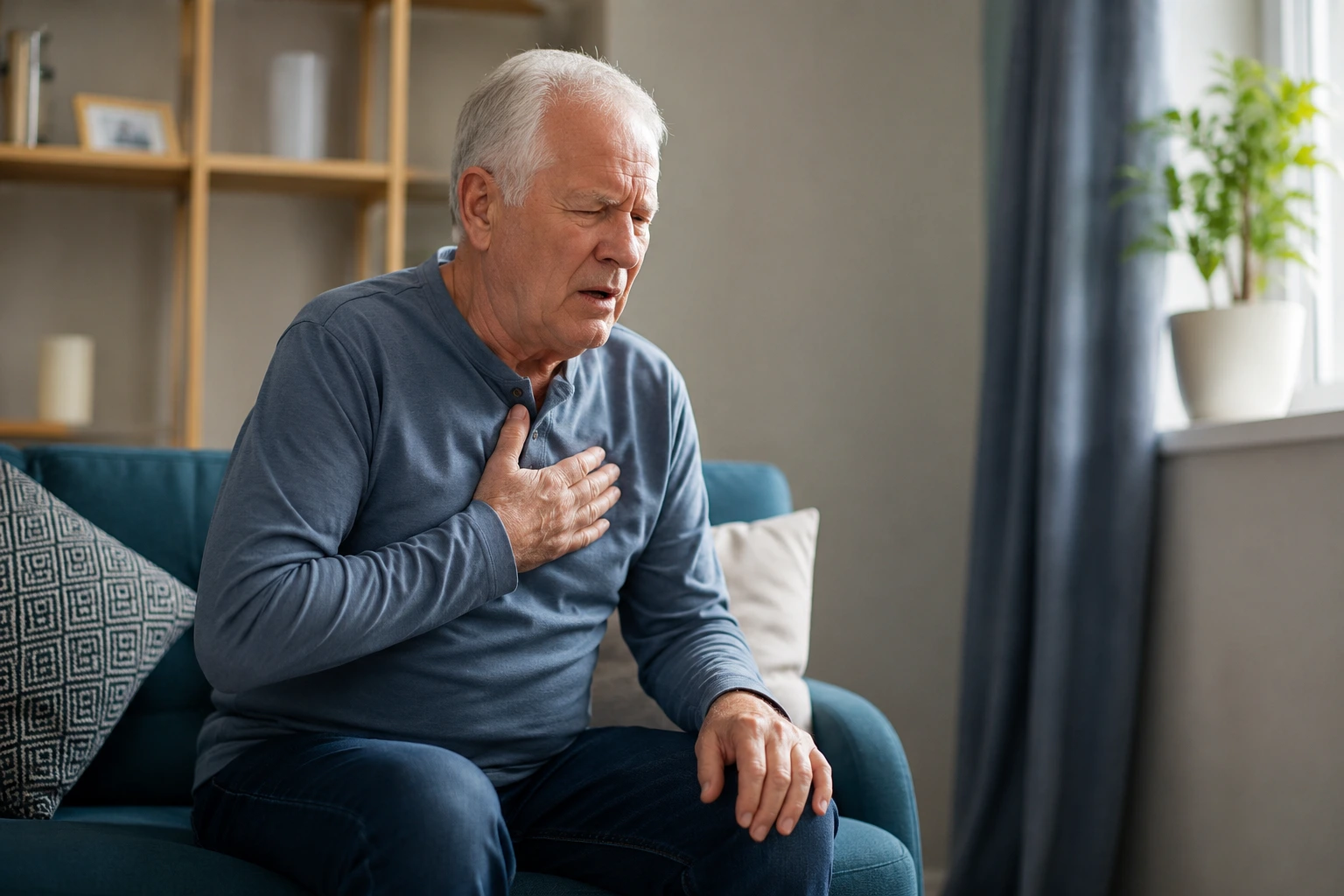
You wake up gasping for air after climbing just one flight of stairs, and that nagging cough won’t quit no matter what you try – if this sounds like your daily reality, you’re not alone, and copd explained simply means understanding that this progressive lung condition is manageable when you know what you’re dealing with.
Understanding COPD: A biological overview
COPD, or Chronic Obstructive Pulmonary Disease, represents a progressive lung condition where airflow becomes increasingly restricted, making it harder for your body to get the oxygen it needs. The condition primarily encompasses two related diseases: chronic bronchitis, where the airways produce excess mucus and become inflamed, and emphysema, where the air sacs in your lungs gradually lose their elasticity. Think of it like this – imagine your lungs as a series of tiny balloons that help exchange oxygen for carbon dioxide. In COPD, these balloons lose their stretch and the tubes leading to them become narrowed and clogged. The primary culprit is long-term exposure to irritating substances, with smoking being the most common cause, though occupational exposures to dust, chemicals, or indoor air pollution can also contribute. Understanding this biological process helps explain why symptoms develop gradually and why early intervention matters so much.
Symptoms of COPD: Recognizing the signs
COPD symptoms often develop so gradually that many seniors don’t recognize them as warning signs until the condition has progressed significantly. The hallmark symptoms include persistent shortness of breath that worsens with physical activity, a chronic cough that produces mucus or phlegm, wheezing sounds when breathing, and chest tightness or discomfort. Picture yourself struggling to catch your breath while gardening or playing with grandchildren – that’s often when seniors first notice something’s wrong. Many mistake these signs for normal aging or seasonal allergies, delaying diagnosis. The cough might start as occasional and dry, then evolve into a productive cough that brings up sputum. Over time, these symptoms compound, affecting sleep quality, energy levels, and the ability to enjoy activities you love. Recognizing these patterns early and discussing them with your healthcare provider can make a meaningful difference in your long-term health trajectory.
Effective COPD management
Managing COPD effectively requires a multi-faceted approach tailored to your specific situation. Quitting smoking stands as the single most impactful step you can take, regardless of how long you’ve smoked – your lungs begin healing within weeks of stopping. Medications prescribed by your healthcare provider, such as bronchodilators that relax airway muscles or corticosteroids that reduce inflammation, work to keep airways open and reduce symptoms. Pulmonary rehabilitation programs combine supervised exercise, breathing techniques, and education to strengthen your respiratory muscles and improve oxygen efficiency. Consider a typical week in a rehabilitation program: you might practice pursed-lip breathing to slow exhalation, engage in walking or cycling exercises to build endurance, and learn energy conservation techniques for daily tasks. Many seniors find that combining medication adherence with regular movement and proper breathing mechanics creates a foundation for better symptom control. Common mistakes include skipping doses, avoiding exercise due to fear of breathlessness, or not following through with rehabilitation programs – yet consistency in all three areas yields the best outcomes.
- Quit smoking to reduce exacerbation risk
- Follow a medication regimen as prescribed
- Participate in pulmonary rehabilitation programs
🔬 Science-backed benefits in 2 minuteschoose where to begin:
Advanced treatments for COPD
When standard management approaches reach their limits, advanced treatment options become available for seniors with severe COPD and significantly compromised lung function. Supplemental oxygen therapy helps maintain adequate blood oxygen levels during rest, activity, or sleep, improving energy and cognitive function. Lung volume reduction surgery removes damaged portions of lung tissue to allow healthier tissue to expand and function more efficiently – think of it as clearing out the non-functional areas to give good tissue room to work. Lung transplantation represents the most intensive option, reserved for carefully selected candidates with end-stage disease who have exhausted other treatments. Your pulmonologist evaluates factors like age, overall health, motivation, and support system when considering these interventions. A patient might progress from using oxygen only during exertion to needing it continuously, signaling when to explore these advanced options. These treatments aren’t quick fixes but rather tools that, when appropriate, can extend life and improve quality significantly for those who qualify.
Managing COPD flare-ups
COPD exacerbations, or flare-ups, occur when symptoms suddenly worsen beyond your baseline – often triggered by infections, air pollution, temperature changes, or allergen exposure. Having a written action plan prepared in advance transforms how you respond when flare-ups strike. Your plan should outline specific signs that signal a flare-up, such as increased shortness of breath, change in sputum color or thickness, or new wheezing. It should detail immediate steps like adjusting your medication timing, increasing rest, staying hydrated, and when to contact your healthcare provider or seek emergency care. Imagine waking up with yellow-tinged sputum and increased coughing – your action plan tells you whether this warrants a phone call to your doctor or an urgent visit. Many seniors benefit from keeping rescue medications accessible, maintaining a symptom diary to spot patterns, and understanding which environmental factors trigger their personal flare-ups. Quick recognition and response can prevent hospitalizations and keep you functioning at your best.
Lifestyle modifications for COPD
Beyond medications and formal rehabilitation, daily lifestyle choices profoundly influence how well you manage COPD. Regular physical activity, even gentle walking or water aerobics, strengthens respiratory muscles and improves cardiovascular efficiency – you don’t need intense exercise, just consistent movement. A balanced diet rich in fruits, vegetables, and lean proteins supports lung health and maintains a healthy weight, reducing strain on your breathing. Adequate hydration helps thin mucus secretions, making them easier to clear. Environmental awareness matters tremendously: avoiding secondhand smoke, minimizing exposure to air pollution, using air filters in your home, and staying away from strong chemical odors all reduce respiratory irritation. Consider seasonal adjustments too – many seniors with COPD struggle more in winter when cold air irritates airways or when heating systems dry indoor air. Stress management through relaxation techniques or gentle activities like tai chi can reduce muscle tension and improve breathing patterns. These modifications work synergistically with medical treatment, creating a comprehensive approach that addresses COPD from multiple angles.
Senior COPD solutions revolve around understanding the disease, recognizing symptoms, effective management strategies, advanced treatments when necessary, handling flare-ups, and embracing lifestyle changes. These research-backed approaches offer seniors a path to better COPD management and improved quality of life.
Can COPD improve with lifestyle changes alone?
While lifestyle modifications like exercise and diet can positively impact COPD management, the condition is chronic and progressive. It’s essential to work closely with healthcare professionals to develop a comprehensive treatment plan.
What is the long-term outlook for individuals with COPD?
COPD is a chronic condition that requires ongoing management. With proper treatment and lifestyle adjustments, many individuals can effectively control symptoms and maintain a good quality of life.
Others also read:
Disclaimer: This article is for informational purposes only and is not a substitute for professional medical advice. Always consult a healthcare professional for personal guidance.
This article has been prepared and reviewed by the GlobalHealthBeacon editorial team and is based on current medical research and published scientific literature available in 2026. It provides structured, evidence-based information to support informed health decisions.
