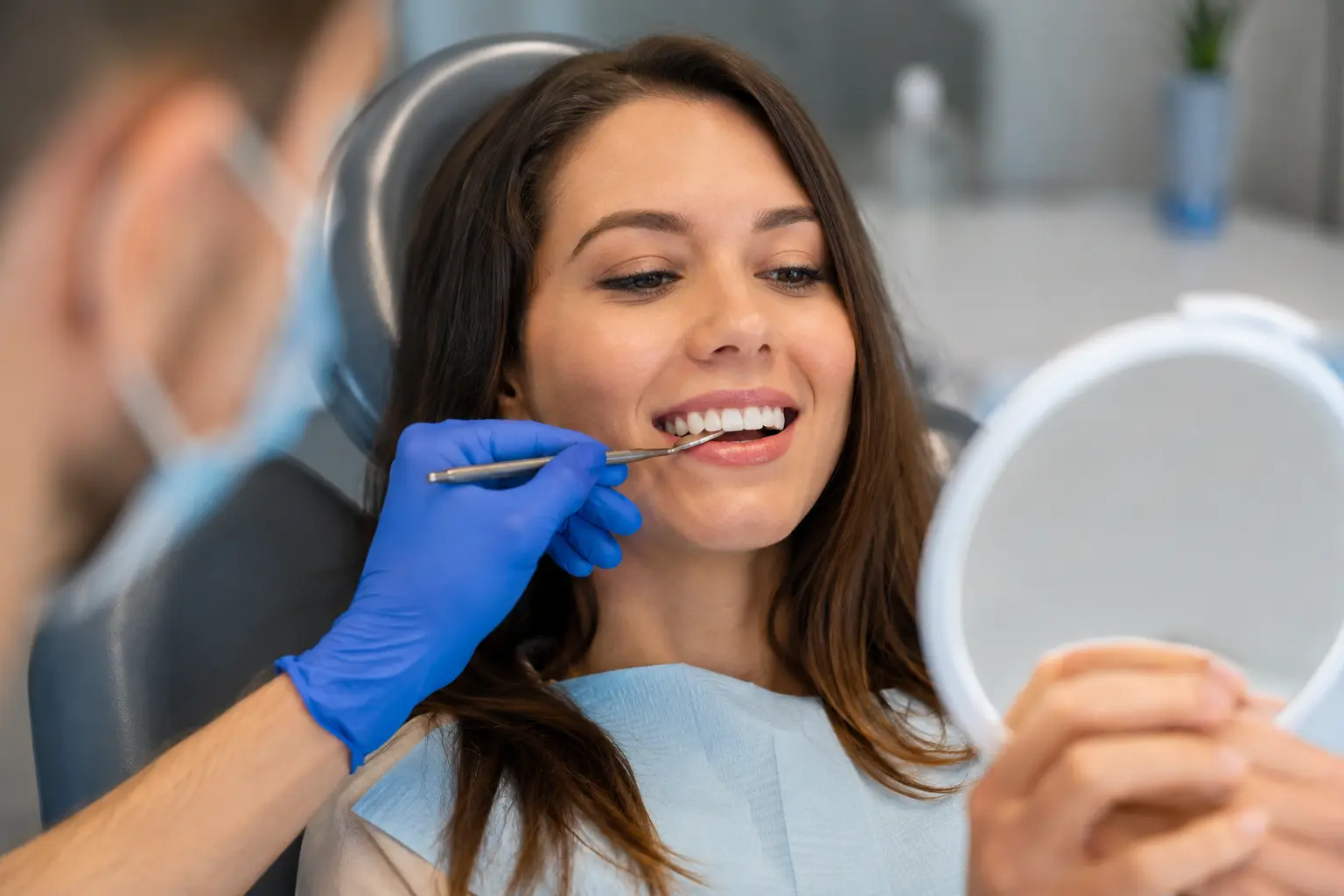
You catch your reflection and immediately look away because that chipped tooth, that gap, or that stubborn stain is all you can see, but cosmetic dental bonding could be the simple fix that finally lets you smile without thinking twice.
Understanding cosmetic dental bonding
Cosmetic dental bonding is a straightforward procedure that works like a targeted smile repair. Your dentist applies a tooth-colored resin directly to the affected tooth, sculpting it to blend seamlessly with your natural teeth. Think of it as a cosmetic filler for your smile. Whether you have a small chip from biting down on something hard, a gap between your front teeth that bothers you, or discoloration that whitening alone cannot fix, bonding addresses these issues without major intervention. The resin material is matched precisely to your tooth shade, so the result looks natural and integrated. Unlike veneers or crowns that require significant tooth preparation, bonding preserves most of your natural tooth structure. The procedure is painless, typically takes less than an hour per tooth, and produces immediate results you can see and feel the moment you leave the chair.
- Instantly improves the appearance of your teeth
- Requires minimal enamel removal compared to other procedures
- Usually completed in a single visit to the dentist
Preparing for cosmetic dental bonding
Preparation is brief but important for achieving the best outcome. Your dentist will start by selecting the exact shade of resin that matches your teeth, holding sample shades against your tooth in natural light to ensure a perfect match. This step matters more than you might think because even a slightly off shade becomes noticeable over time. Next, the surface of your tooth is gently etched with a mild acid solution, which creates a slightly rough texture that helps the resin bond securely. You will not feel pain during this step, though you may notice a slight taste or smell. A conditioning liquid is then applied to further prepare the tooth surface. This entire preparation phase takes just a few minutes but sets the foundation for a durable bond that lasts years rather than months. Your dentist may also take a moment to discuss the shape and contour you want, so speak up if you have preferences about how your tooth should look after bonding.
📘 Fix your day in under 2 minuteschoose where to begin:
The cosmetic bonding process
Once your tooth is prepared, the actual bonding begins. Your dentist applies the tooth-colored resin in layers, carefully sculpting each layer to build the right shape and contour. You will see them working with small instruments, shaping and smoothing the material. After each layer is applied, a special ultraviolet light hardens the resin, making it strong and durable. This light feels warm but causes no discomfort. The entire sculpting and hardening process is painless because there are no nerves being stimulated. Once the resin is fully hardened, your dentist polishes and shapes it to match the natural contours of your tooth and blend with your bite. They may make fine adjustments to ensure your bite feels natural and comfortable. The whole procedure typically takes 30 to 60 minutes depending on how many teeth are being bonded and how complex the repair is. You walk out with an improved smile that looks and feels like your own teeth.
Caring for bonded teeth
Bonded teeth need the same care as your natural teeth, with a few extra precautions. Brush twice daily with a soft-bristled toothbrush and floss daily to keep the bonded area clean and free of plaque. Avoid using your teeth as tools to open packages or bite your nails, as this can chip the resin. Be mindful of foods and drinks that stain, such as red wine, coffee, tea, and dark berries, especially in the first 48 hours after bonding when the resin is still settling. If you do consume staining foods, rinse your mouth with water afterward. Smoking and tobacco use can discolor bonded teeth faster than natural teeth, so limiting or quitting helps preserve the appearance. Attend regular dental check-ups every six months so your dentist can monitor the bonding and catch any wear early. If you grind your teeth at night, ask your dentist about a night guard to protect your bonding from stress and damage. These simple habits extend the life of your bonding significantly.
Benefits and considerations
Cosmetic dental bonding offers real advantages, particularly if you want an affordable way to improve your smile without major procedures. The cost is typically lower than veneers or crowns, making it accessible for many women. The procedure is reversible and conservative, meaning your natural tooth structure remains largely intact. Results are immediate, so you do not have to wait weeks for a lab to create your restoration. However, bonding has limitations worth understanding. The resin is not as hard or stain-resistant as your natural enamel, so it may chip if you bite down on hard objects or experience trauma. Over time, the resin can become discolored or develop a slightly duller appearance compared to your natural teeth. Most bonding lasts three to five years before touch-ups are needed, though some patients get longer wear with excellent care. If you have significant bite problems or need a restoration that will last 10 plus years, your dentist might recommend veneers or crowns instead. Bonding works best for minor cosmetic improvements rather than major structural changes.
Cosmetic dental bonding offers a simple and effective way to enhance your smile naturally. By understanding the procedure, preparing adequately, and following proper care, you can achieve a flawless smile with minimal hassle.
Is cosmetic dental bonding permanent?
Cosmetic dental bonding is not permanent and may require touch-ups every few years. Proper care and maintenance can help extend the lifespan of the bonding.
Does dental bonding hurt?
No, cosmetic dental bonding is a painless procedure that typically does not require anesthesia. Patients may experience slight sensitivity to cold or pressure immediately after the bonding process.
Others also read:
Disclaimer: This article is for informational purposes only and is not a substitute for professional medical advice. Always consult a healthcare professional for personal guidance.
This guide has been prepared and reviewed by the GlobalHealthBeacon editorial team and reflects current medical research as of 2026. It provides structured, evidence-based information to support informed health decisions.
