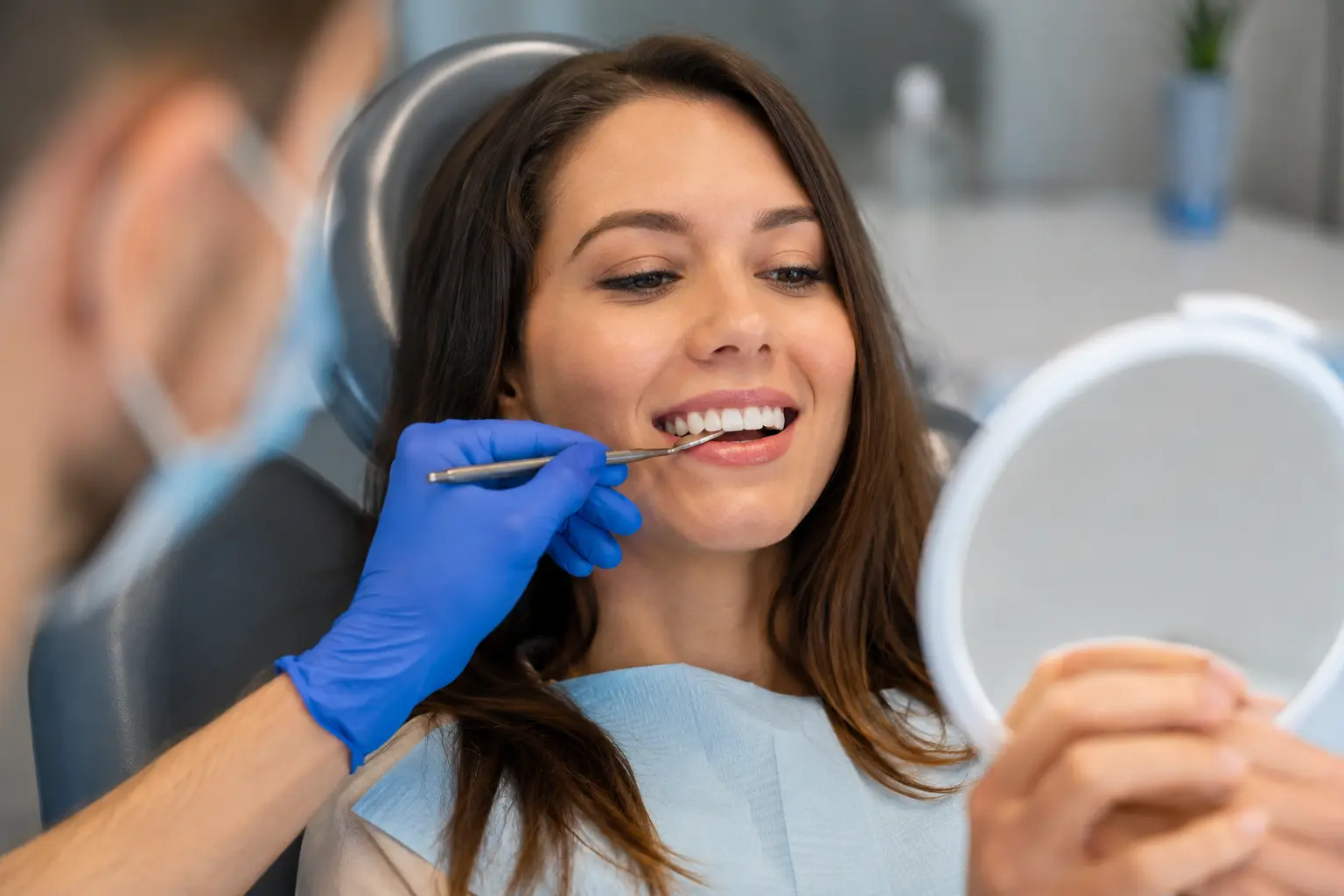
You catch your reflection and wince at that chipped tooth, or notice your smile has lost its brightness to stubborn stains that won’t budge no matter how hard you brush, and cosmetic dental bonding might be the straightforward fix you’ve been searching for without the commitment or cost of major dental work.
Understanding cosmetic dental bonding
Cosmetic dental bonding is a straightforward procedure where your dentist applies a tooth-colored resin material directly to your teeth to enhance their appearance and fix visible imperfections. Think of it as sculpting your smile without surgery. The resin bonds to your existing tooth structure, which is why it’s called bonding. Unlike veneers or crowns that require extensive preparation, bonding works with what you already have. It’s ideal for addressing chipped edges from that accidental bump into a doorframe, closing small gaps between teeth, covering up stubborn stains that whitening alone won’t fix, or reshaping teeth that look slightly uneven. Many women choose bonding because it preserves more of the natural tooth structure compared to other cosmetic options, and you can see results in just one appointment. The procedure is also reversible, meaning if you decide you want something different down the road, your dentist can remove the bonding without permanent damage to your tooth.
- Affordable and minimally invasive
- Does not require anesthesia in most cases
- Completed in a single visit to your dentist
Preparing for the procedure
Before your bonding appointment, your dentist will schedule a consultation to understand exactly what bothers you about your smile and what result you’re hoping for. This conversation matters because your dentist needs to know if you’re concerned about a single chipped tooth or if you want your entire smile brightened and reshaped. During this visit, your dentist will examine your teeth under proper lighting and may take photos to document the before state. They’ll discuss shade selection carefully, showing you samples of different resin colors against your natural teeth to find the perfect match. If you have any existing cavities or gum disease, these will need treatment first because bonding works best on healthy teeth. Your dentist might also ask about your habits, like whether you grind your teeth at night or chew on hard objects, because these factors affect how long your bonding will last. Come to your appointment with clean teeth and realistic expectations about what bonding can achieve for your specific situation.
📘 Fix your day in under 2 minuteschoose where to begin:
The bonding process
On the day of your procedure, your dentist will begin by selecting the exact shade of resin that matches your natural tooth color, sometimes testing it against your tooth in natural light to ensure accuracy. They’ll then isolate the tooth being treated and gently roughen its surface with a special tool, creating a slightly textured area that helps the resin adhere properly. A conditioning liquid is applied to further prepare the tooth surface. Next comes the creative part: your dentist carefully applies the tooth-colored resin material, sculpting and molding it to match the shape and contour of your natural teeth. This requires skill and artistic eye because the goal is to make the bonded area look like it was always part of your tooth. Once the shape is correct, a special blue light hardens the resin in seconds. Your dentist then polishes and refines the bonded area, checking your bite to ensure it feels natural when you chew. The entire process typically takes 30 to 60 minutes per tooth, depending on the extent of the work needed. You’ll walk out with a noticeably improved smile that looks natural and feels like part of your own teeth.
Aftercare tips for long-lasting results
After your bonding appointment, treat your newly bonded teeth with care during the first 24 hours while the resin fully sets. Avoid very hot or very cold foods and drinks, skip hard or sticky foods like nuts, caramel, and ice, and try not to bite your nails or chew on pens and pencil caps. Going forward, maintain excellent oral hygiene by brushing twice daily with a soft-bristled toothbrush and flossing daily, being gentle around the bonded areas. Schedule regular dental check-ups every six months so your dentist can monitor the bonding and catch any issues early. Be mindful of habits that can damage bonding, like using your teeth to open packages, chewing on hard candy, or grinding your teeth at night. If you grind, ask your dentist about a night guard to protect your bonding. Watch your diet to minimize staining, as bonded resin can discolor over time from coffee, red wine, and tobacco. With consistent care and attention, most bonding lasts three to seven years before needing touch-ups or replacement, making it a practical long-term investment in your smile.
Potential drawbacks to consider
While cosmetic bonding offers real benefits, it’s important to understand its limitations before committing. Bonded resin is not as durable as porcelain veneers or crowns, so it may chip or wear faster if you have habits like grinding your teeth or biting on hard objects. The material can stain over time, especially if you consume a lot of coffee, tea, red wine, or smoke, requiring periodic touch-ups to maintain the original shade and appearance. Bonding also doesn’t last as long as other cosmetic treatments, typically needing replacement every three to seven years depending on your care and habits. If you have extensive damage or multiple teeth needing work, bonding might not be the most cost-effective long-term solution compared to veneers or crowns. Additionally, bonding works best for minor to moderate cosmetic issues; if you’re looking for major smile transformation or have significant structural problems, your dentist might recommend other options. The resin can also be more prone to chipping at the edges where it meets your natural tooth, especially if you bite down on something hard unexpectedly. Understanding these trade-offs helps you make an informed decision about whether bonding aligns with your expectations and lifestyle.
Cosmetic dental bonding is a simple and effective way to enhance your smile. Understanding the process, preparing for the procedure, and following proper aftercare are essential for achieving long-lasting results. Consider the benefits and limitations before deciding on cosmetic bonding for your teeth.
Is cosmetic bonding suitable for everyone?
Cosmetic bonding is generally recommended for minor cosmetic issues. Your dentist will assess your teeth to determine if you are a suitable candidate for the procedure.
Does cosmetic bonding hurt?
Cosmetic bonding is a painless procedure and typically does not require anesthesia. Some patients may experience slight sensitivity after the treatment, which usually subsides quickly.
Others also read:
Disclaimer: This article is for informational purposes only and is not a substitute for professional medical advice. Always consult a healthcare professional for personal guidance.
This guide has been prepared and reviewed by the GlobalHealthBeacon editorial team and reflects current medical research as of 2026. It provides structured, evidence-based information to support informed health decisions.
