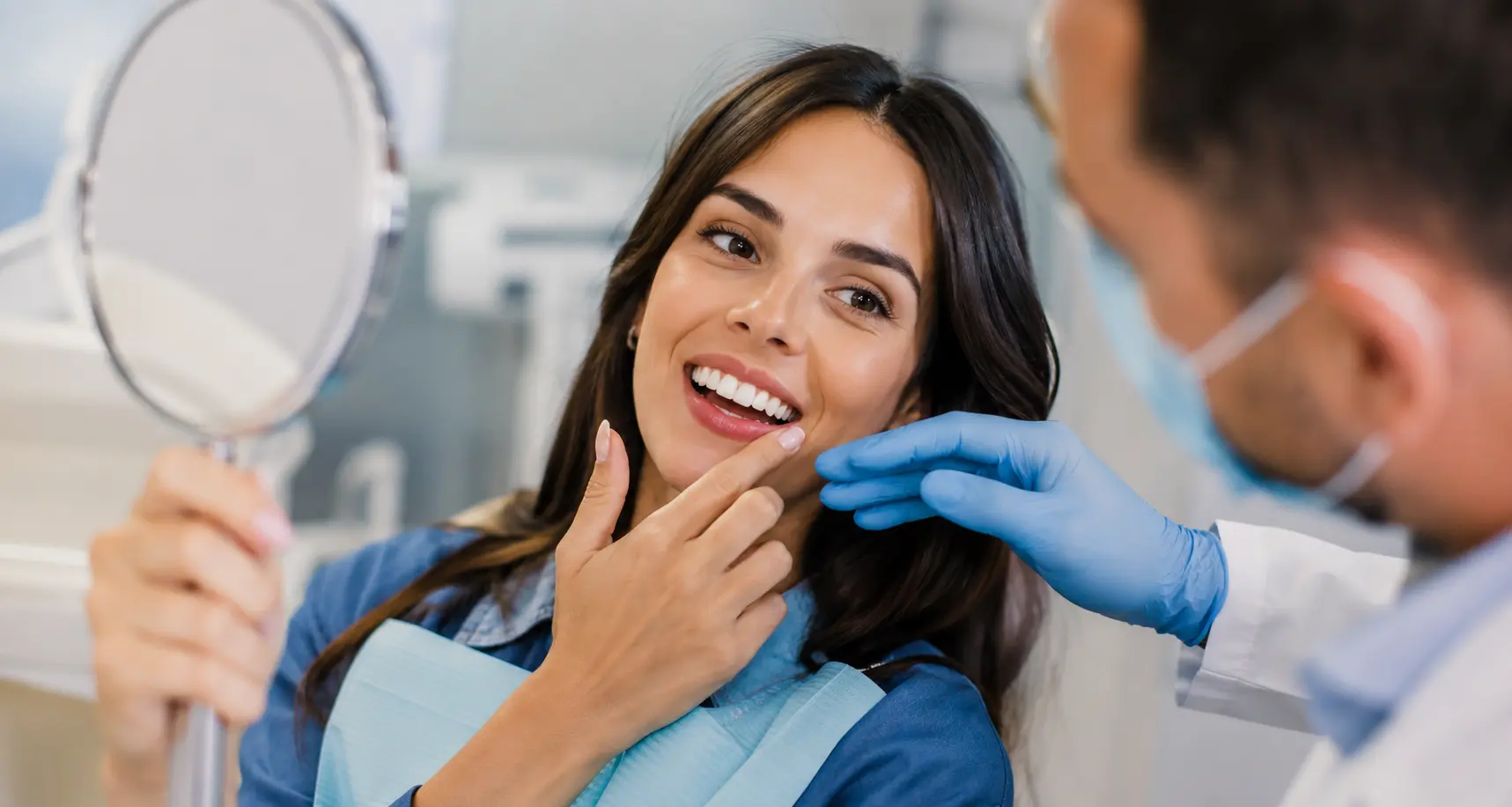
Your smile has taken a beating over the decades, and cosmetic dentistry trends are finally making it possible to turn back the clock without looking like you’ve had work done.
Age-related dental changes
Your teeth have been working hard for decades. Over time, the natural enamel layer that protects and gives teeth their shine gradually wears down from years of chewing, acidic foods, and everyday use. This process is entirely normal and happens to everyone. Beyond surface wear, teeth can develop discoloration from medications like tetracycline, which was commonly prescribed decades ago, or from lifestyle factors like coffee, tea, and tobacco use. You might notice chips or small fractures that accumulated from biting down on hard foods or from minor accidents you barely remember. Gaps can widen as gum tissue recedes and bone density changes with age. Some teeth may shift slightly due to the loss of neighboring teeth or changes in jaw structure. The good news is that modern cosmetic dentistry understands these changes completely and has developed solutions that work with your existing dental structure rather than against it.
Veneers: a versatile solution
Think of veneers as custom-fitted shells that sit on top of your existing teeth, similar to how a crown works but far less invasive. They are typically made from either porcelain or composite resin, each with distinct advantages. Porcelain veneers are incredibly durable, resist staining better than natural teeth, and can last 10 to 15 years or longer with proper care. Composite veneers are slightly less expensive and can be applied in a single visit, though they may require touch-ups over time. The process begins with your dentist removing a thin layer of enamel from the front of your tooth, then taking precise measurements to create a veneer that matches your bite and facial structure perfectly. For someone who has lived with chipped teeth or discoloration for years, veneers can feel transformative. They address color, shape, size, and length all at once, creating a uniform, natural-looking smile that reflects how you feel inside.
Whitening treatments: brighten your smile
Professional teeth whitening works through a chemical process that penetrates the microscopic pores in your tooth enamel, breaking down the molecules that cause stains and discoloration. Unlike over-the-counter strips or trays, professional treatments use higher concentrations of bleaching agents under controlled conditions, which means faster results and less sensitivity for most people. Your dentist can customize the strength of the whitening solution based on your enamel thickness and sensitivity history. The process typically takes 30 to 90 minutes in a single appointment, though some people choose a series of treatments for deeper results. After treatment, your teeth may be sensitive to temperature for a few days, which is temporary and manageable. The results are visible immediately and continue to improve over the next 24 hours as the whitening agent continues to work. Most people find that professional whitening gives them results that last six months to two years, depending on their diet and habits.
- Schedule a consultation with a dental professional who can assess your current tooth shade, enamel condition, and any existing dental work like crowns or fillings that won’t whiten.
- Discuss your whitening goals and ask about the specific bleaching agent and concentration your dentist recommends for your situation.
- Follow all aftercare instructions carefully, including avoiding dark beverages, acidic foods, and smoking for at least 48 hours after treatment.
- Use a sensitivity toothpaste if needed and rinse with lukewarm water rather than hot or cold for a few days.
- Schedule touch-up treatments as recommended by your dentist, typically every 6 to 12 months, to maintain your bright smile.
🔬 Science-backed benefits in 2 minuteschoose where to begin:
Enhanced oral health benefits
The relationship between cosmetic dentistry and oral health is deeper than most people realize. When veneers are properly fitted, they actually protect the underlying tooth structure from further wear and staining, essentially giving your teeth a protective shield. This can prevent future decay and damage that might otherwise require more invasive treatments. Whitening treatments, when done professionally, don’t weaken your enamel if performed correctly and followed by proper maintenance. In fact, many people find that investing in cosmetic improvements motivates them to improve their overall dental hygiene habits. You start brushing more carefully, flossing more consistently, and visiting your dentist regularly because you want to protect your investment. This behavioral shift often leads to better gum health, reduced plaque buildup, and fewer cavities over time. Additionally, addressing cosmetic issues can eliminate the self-consciousness that sometimes prevents people from smiling or speaking freely, which paradoxically can improve oral health by reducing stress-related grinding and jaw tension.
Boosted confidence and self-esteem
There is genuine scientific evidence that your smile affects how you feel about yourself and how others perceive you. When you’re unhappy with your teeth, you tend to smile less, speak more quietly, and avoid social situations where you might be photographed or need to smile broadly. Over time, this social withdrawal can contribute to feelings of isolation and reduced quality of life. Conversely, when you feel confident about your smile, you naturally engage more in conversations, laugh more openly, and participate more fully in social activities. This isn’t vanity; it’s about reclaiming a part of your identity that may have been diminished by years of dental wear. Many seniors report that after cosmetic dental work, they feel like themselves again, or even better than they did in their younger years because they now have the tools to maintain their appearance. The psychological boost extends beyond social interactions. You might find yourself standing taller, making more eye contact, and feeling more present in important moments with family and friends.
Long-term investment in dental wellness
Choosing cosmetic dentistry is fundamentally different from choosing a temporary cosmetic fix. Veneers and professional whitening are investments in your long-term oral health and quality of life as you age. Unlike some cosmetic procedures that require frequent maintenance or replacement, well-maintained veneers can last a decade or more, and professional whitening results can be sustained with periodic touch-ups and good habits. The financial investment pays dividends in reduced dental problems down the road. Teeth that are protected by veneers are less likely to develop new cavities or fractures. A smile you’re proud of encourages you to maintain better oral hygiene, which prevents gum disease and tooth loss. Beyond the dental benefits, the confidence and social engagement that come from a healthy, attractive smile contribute to overall wellness. Research shows that people who feel good about their appearance tend to have better mental health outcomes, more active social lives, and even better physical health markers. In this sense, cosmetic dentistry isn’t just about aesthetics; it’s about investing in yourself.
Cosmetic dentistry trends like veneers and whitening offer seniors the opportunity to combat age-related dental changes, enhance their smiles, boost confidence, and invest in long-term dental wellness.
Are veneers and whitening procedures safe for seniors?
Yes, veneers and whitening treatments are safe for seniors when performed by a qualified dental professional. It is essential to consult with your dentist to determine the most suitable options for your individual needs.
How long do the results of veneers and whitening treatments last?
The durability of veneers and whitening treatments varies depending on individual oral care habits and lifestyle factors. With proper maintenance and regular dental check-ups, the results can last for many years.
Others also read:
Disclaimer: This article is for informational purposes only and is not a substitute for professional medical advice. Always consult a healthcare professional for personal guidance.
This article has been prepared and reviewed by the GlobalHealthBeacon editorial team and is based on current medical research and published scientific literature available in 2026. It provides structured, evidence-based information to support informed health decisions.
