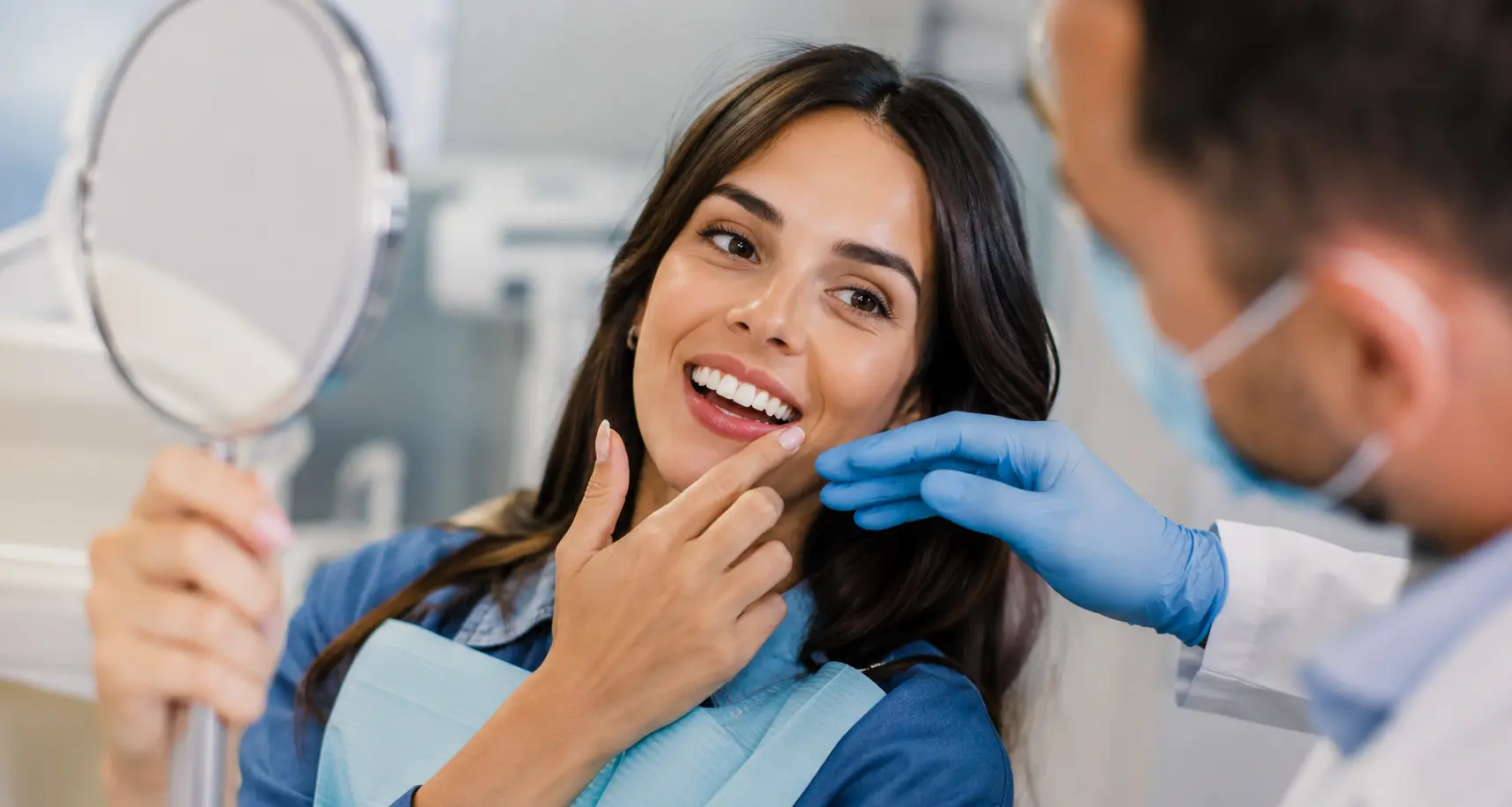
Your smile has changed over the years, and you’re tired of feeling self-conscious about it, but the thought of dental work terrifies you until you discover how cosmetic dentistry trends are making smile makeovers predictable, painless, and actually worth your time.
Understanding digital smile design
Digital Smile Design represents a fundamental shift in how cosmetic dentists approach smile enhancement. Rather than relying on traditional guesswork or two-dimensional sketches, this technology uses sophisticated 3D imaging software to map your unique facial anatomy. Imagine walking into a dental office where the dentist doesn’t just talk about what your smile could look like, but actually shows you a precise digital model on a screen. The process begins with high-resolution photographs and digital scans of your teeth, lips, and facial structure. Advanced algorithms then analyze proportions, symmetry, and how your smile aligns with your face’s natural contours. For seniors, this means moving away from the uncertainty of cosmetic procedures and toward a science-based approach where every millimeter of change is calculated and previewed before any treatment begins.
Benefits of digital smile design
The primary advantage for seniors is visualization before commitment. You’re not signing up for a procedure based on hope or a dentist’s verbal description. Instead, you see exactly what your smile will look like after treatment is complete. This removes the anxiety many older adults feel about making irreversible changes to their appearance. Beyond visualization, digital planning dramatically improves precision. When a dentist knows the exact dimensions, angles, and proportions needed, the actual treatment becomes more efficient and predictable. Consider Margaret, a 68-year-old who was hesitant about veneers. Seeing her digital preview showed her that the changes would be subtle and natural, not dramatic or fake-looking. She moved forward with confidence. Additionally, this technology reduces the number of adjustments needed after treatment, meaning fewer follow-up appointments and less time in the dental chair.
Key steps in digital smile design process
The journey begins with an in-depth consultation where you discuss your aesthetic goals, concerns, and expectations with your cosmetic dentist. This isn’t a quick chat. A thorough consultation involves understanding your lifestyle, how you use your smile, and what aspects bother you most. Next comes digital impression and imaging. Your dentist uses intraoral scanners and high-resolution cameras to capture detailed 3D models of your teeth and facial structure. This data becomes the foundation for everything that follows. The virtual design phase is where the magic happens. Your dentist uses specialized software to digitally reshape, reposition, and recolor your teeth to match your facial proportions and your personal preferences. You’ll see multiple design options and can request adjustments in real time. Finally, many practices offer a trial smile application, where a temporary material mimics your new smile design. You wear this for a few days, live with it, speak and eat with it, and decide if you’re truly comfortable before permanent treatment begins. This staged approach gives seniors the confidence to move forward.
- Consultation with a cosmetic dentist to discuss desired outcomes
- Digital impressions and imaging to create a 3D model of the smile
- Virtual design of the new smile to align with facial aesthetics
- Trial smile application for testing
🔬 Science-backed benefits in 2 minuteschoose where to begin:
Factors to consider for seniors
Before pursuing Digital Smile Design, several health factors deserve careful attention. Your overall oral health is foundational. If you have untreated cavities, gum disease, or bone loss, these must be addressed first. Digital Smile Design works best when your mouth is already in good condition. Bone density matters significantly for seniors, especially if you’re considering implants or extensive restorations. Age-related changes like gum recession or tooth wear patterns affect what’s realistically achievable. Existing dental work also plays a role. If you have old crowns, fillings, or bridges, your dentist must evaluate whether they can be incorporated into the new design or need replacement. Many seniors also take medications that affect oral health, from dry mouth medications to blood thinners. A qualified dentist will review your complete medical history and discuss how these factors influence your treatment plan and timeline. This comprehensive evaluation ensures that Digital Smile Design isn’t just cosmetically appealing but also biologically sustainable for your individual situation.
Long-term results and maintenance
Digital Smile Design can deliver results that last for years, but longevity depends heavily on what you do after treatment. If your new smile involves veneers, they typically last 10 to 15 years with proper care. Composite bonding may need touch-ups every 5 to 7 years. Implants, when properly maintained, can last 20 years or longer. The key is understanding that your new smile requires the same commitment as your natural teeth. Daily brushing and flossing aren’t optional. Many seniors find that investing in an electric toothbrush and water flosser makes maintenance easier on aging hands. Regular dental check-ups become even more important. Your dentist needs to monitor the integrity of restorations, check for any signs of wear, and catch problems early. Consider Robert, a 72-year-old who received veneers five years ago. He maintains them meticulously, sees his dentist every six months, and his smile looks as good as the day treatment finished. His commitment to maintenance is what keeps his investment looking fresh and natural.
Cost considerations and insurance coverage
Digital Smile Design itself is typically not covered by dental insurance because it’s considered cosmetic. However, the actual treatment that follows may have partial coverage depending on your policy and the specific procedures involved. For example, if you need a crown to restore a damaged tooth and that crown is part of your smile design, insurance might cover a portion. The cost of Digital Smile Design planning ranges widely, from a few hundred dollars for the digital consultation to more if extensive treatment is needed. Many practices include the digital design fee in the overall treatment cost. Seniors should ask their dentist for a detailed written estimate that breaks down each component. Some practices offer payment plans or financing options specifically for cosmetic work. Before committing, compare costs across multiple dentists, but remember that the cheapest option isn’t always the best. A dentist experienced in Digital Smile Design may charge more but deliver superior results. Think of it as an investment in your confidence and quality of life, not just a dental expense.
Digital Smile Design offers seniors a scientifically grounded approach to cosmetic dentistry, combining advanced 3D imaging with personalized treatment planning. The ability to preview results before treatment begins removes much of the anxiety surrounding smile makeovers. Success depends on evaluating your oral health status, understanding the maintenance requirements, and carefully considering costs and insurance coverage. For seniors willing to invest time in the planning process and commit to long-term care, Digital Smile Design can deliver lasting improvements in both appearance and confidence.
Is Digital Smile Design suitable for seniors with missing teeth?
Yes, Digital Smile Design can address missing teeth through various restoration options including implants, bridges, or dentures. The digital planning process allows your dentist to visualize how replacements will look and function within your overall smile. Your individual case, bone structure, and health status will determine which options are most suitable for you.
How long does a Digital Smile Design procedure typically take?
The Digital Smile Design planning phase usually takes one to three appointments, depending on complexity. The initial consultation and imaging might take 60 to 90 minutes. Actual treatment timelines vary significantly based on what procedures you need. Your dentist will provide a personalized timeline during your consultation after reviewing your specific situation.
Others also read:
Disclaimer: This article is for informational purposes only and is not a substitute for professional medical advice. Always consult a healthcare professional for personal guidance.
This article has been prepared and reviewed by the GlobalHealthBeacon editorial team and is based on current medical research and published scientific literature available in 2026. It provides structured, evidence-based information to support informed health decisions.
