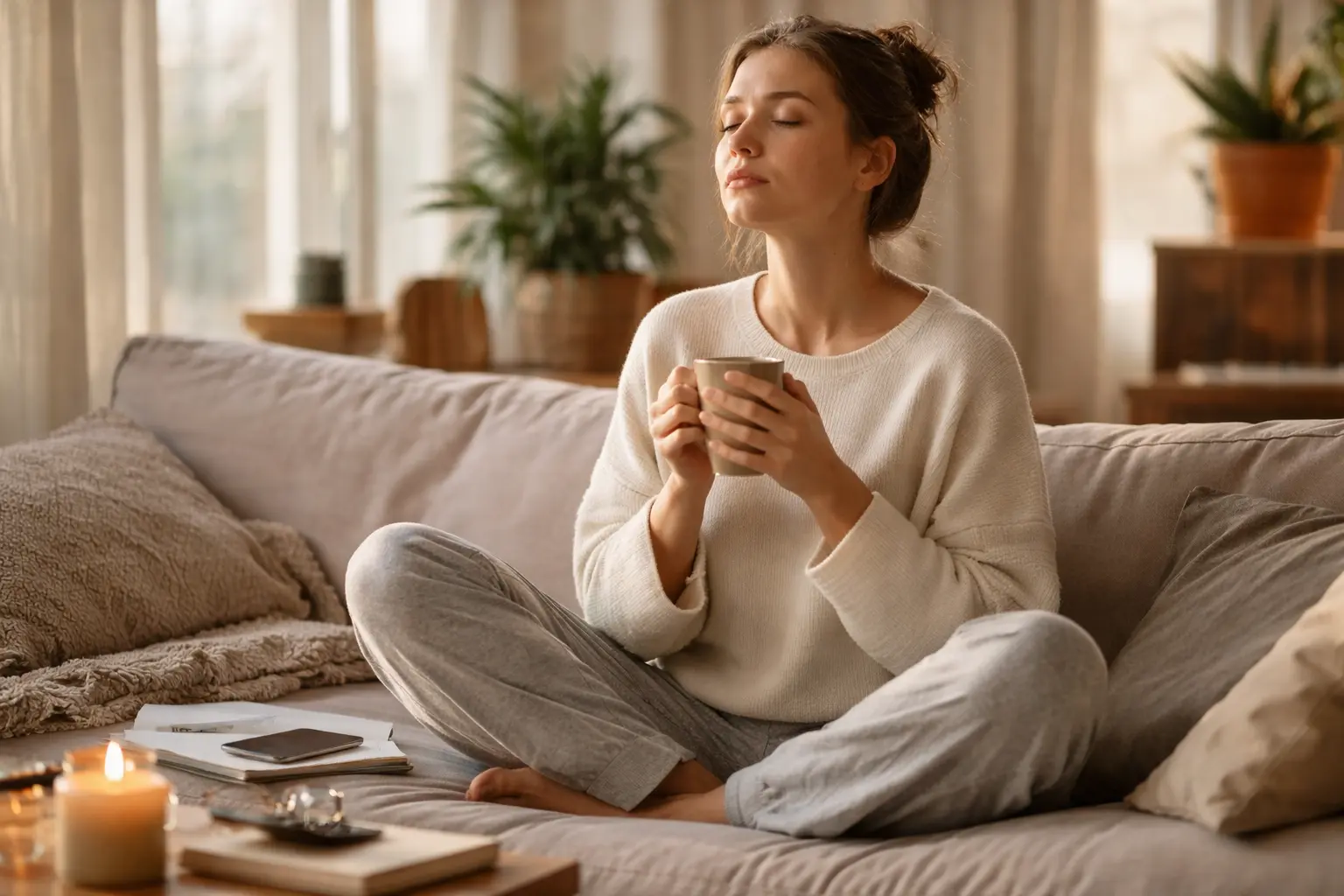
Your chest tightens, your mind races at 3 AM, and you feel like you’re drowning in responsibilities—but you’re not alone, and daily stress reduction strategies can actually work for you.
Mindfulness practices for inner peace
I used to think meditation was just sitting quietly doing nothing, but then I realized it’s actually about training your brain to pause. When you practice mindfulness, you’re essentially giving your nervous system permission to stop fighting. Picture this: you’re scrolling through your phone at lunch, your shoulders are tense, and your mind is already three tasks ahead. Now imagine instead taking five minutes to focus on your breath, noticing the cool air coming in and the warm air going out. That simple act of returning your attention to the present moment, over and over, rewires how you respond to stress. Deep breathing exercises work because they physically calm your nervous system. Yoga combines movement with mindfulness, giving your body a chance to release tension you didn’t even know you were holding. The key is consistency, not perfection. Even two minutes daily beats sporadic hour-long sessions.
- Practice deep breathing exercises for 5 minutes
- Try a guided meditation app for relaxation
- Attend a local yoga class to de-stress
Physical activity to release tension
Exercise isn’t just about fitting into your jeans, though that’s a nice bonus. When you move your body, your brain releases endorphins, which are like natural mood elevators. I remember dreading the gym until I realized I didn’t have to go to the gym. A friend of mine found that dancing to her favorite playlist for twenty minutes did more for her stress than any treadmill ever could. Running clears your head because it gives your anxious thoughts something to do besides spiral. Hiking forces you to focus on the trail, the trees, your breathing, and suddenly your work deadline feels less catastrophic. Even a brisk walk around the block can interrupt a stress cycle. The physical exhaustion from exercise also helps you sleep better, which means you’re less reactive to stress the next day. Find what feels good to you, not what you think you should do.
💬 Ready to feel better in 2 minutes?choose where to begin:
Creating a supportive social circle
Stress loves silence and isolation. When you’re struggling alone, everything feels bigger and scarier. But when you text a friend and say ‘I’m having a rough week,’ something shifts. Suddenly you’re not carrying the weight solo. Real connection doesn’t require perfect circumstances or long conversations. Sometimes it’s grabbing coffee with someone who gets it, or joining a group of people working toward similar goals. I know a guy who joined a running club not for the running, but because showing up meant he had to leave his anxious thoughts at home and connect with actual humans. Support groups exist for nearly every challenge because there’s profound healing in knowing others feel what you feel. Your family might not understand your specific stressors, but friends who are in similar life stages often do. Don’t underestimate the power of simply being around people who care about you.
Healthy lifestyle choices for well-being
Your body is not separate from your mind when it comes to stress. If you’re running on three hours of sleep and five energy drinks, your nervous system is already in overdrive before anything stressful even happens. Quality sleep is when your brain processes emotions and consolidates memories, so skimping on it makes everything feel harder. A balanced diet with enough protein, healthy fats, and vegetables gives your body the fuel it needs to handle stress hormones. Hydration matters too, because dehydration mimics anxiety symptoms. Excessive caffeine amplifies your stress response, and scrolling on your phone before bed keeps your brain wired when it should be winding down. I’m not saying you need to be perfect, but small shifts like putting your phone away an hour before bed or swapping one energy drink for water can genuinely change how you experience stress.
Engage in mindfulness practices, stay physically active, nurture your social connections, and prioritize a healthy lifestyle to effectively reduce daily stress. By making small changes in your daily routine, you can create a positive impact on your mental and emotional well-being.
How often should I practice mindfulness for stress relief?
Consistency is key when it comes to mindfulness practices. Aim for a daily 10-minute meditation session or deep breathing exercise to reap the benefits of reduced stress and increased focus.
Can social interactions really help reduce stress?
Yes, social interactions play a crucial role in stress reduction. Connecting with others allows you to share your burdens, gain perspective, and receive emotional support, which can significantly lower your stress levels.
Others also read:
Disclaimer: This article is for informational purposes only and is not a substitute for professional medical advice. Always consult a healthcare professional for personal guidance.
This article presents an experience-based perspective and has been reviewed by the GlobalHealthBeacon editorial team in 2026. It provides structured, evidence-based information to support informed health decisions.
