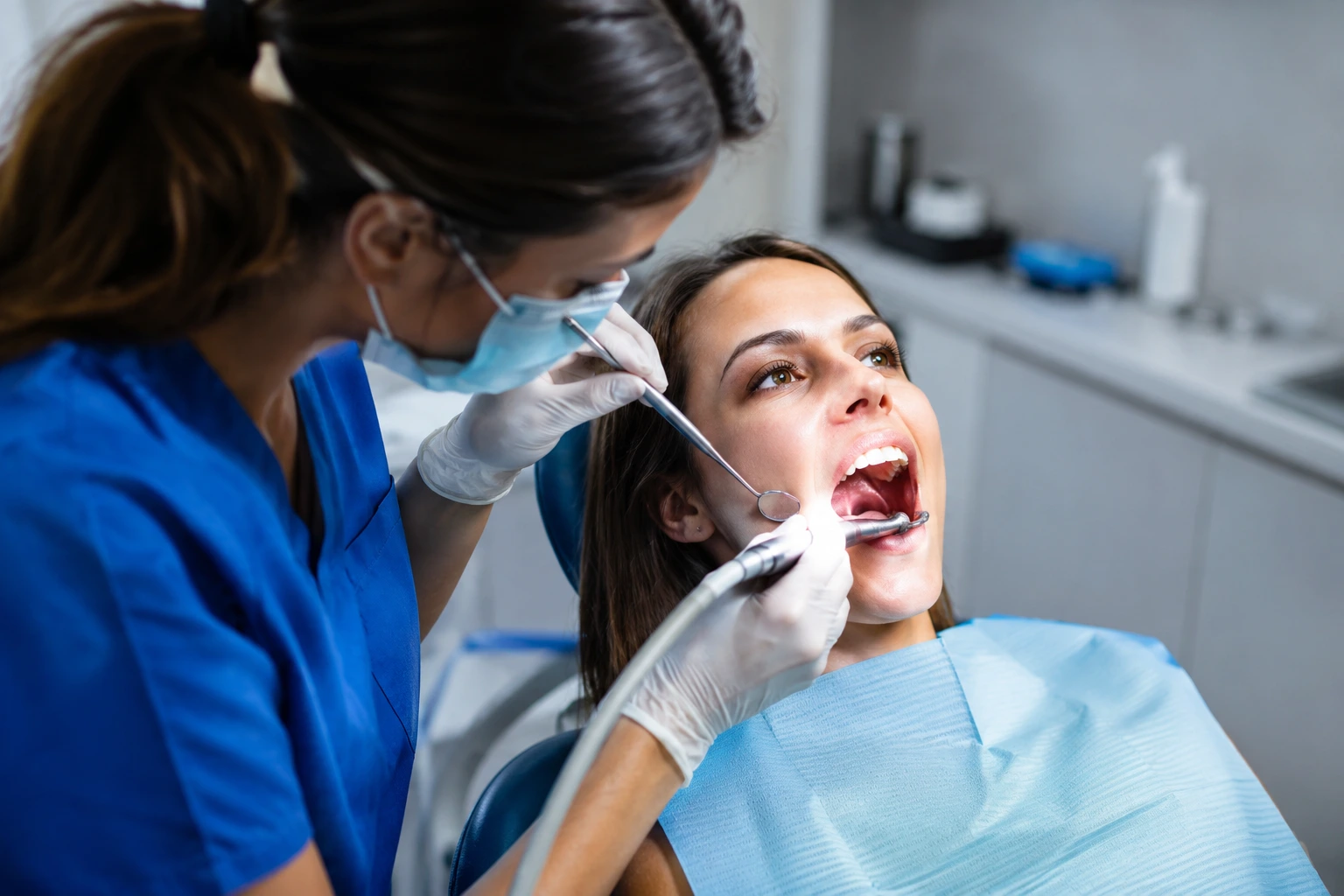
Your gums bleed when you brush, your breath smells off, and you’re worried something’s seriously wrong – but here’s what you need to know about how a deep cleaning dental procedure actually works to stop gum disease in its tracks.
Understanding gum disease
Gum disease, medically termed periodontal disease, develops when bacteria colonize the spaces between your teeth and gums, triggering an inflammatory response. Think of it like this: plaque forms naturally on your teeth, but when it hardens into tartar, your body’s immune system kicks in to fight back, causing the red, swollen, bleeding gums you might notice. The condition progresses in stages. Early gingivitis involves surface inflammation and is often reversible with better oral hygiene. But if left unchecked, it advances to periodontitis, where the infection spreads below the gum line, damaging the bone and connective tissue that anchor your teeth. Young adults sometimes dismiss early warning signs like occasional bleeding during flossing, not realizing that gum disease is silent and progressive. Without intervention, it can eventually lead to tooth mobility and loss, which is why understanding the mechanics matters before considering treatment options.
The significance of deep cleaning
Deep cleaning, clinically known as scaling and root planing, represents a targeted intervention designed to address the root cause of gum disease rather than just treating surface symptoms. Unlike your regular six-month cleaning, which removes plaque and tartar from visible tooth surfaces, deep cleaning reaches into the periodontal pockets – those deepened spaces between your gum and tooth where bacteria thrive. Imagine your tooth as having two zones: above the gum line and below it. Standard cleanings handle the first zone effectively, but once bacteria establish themselves below the gum line, they’re protected from your toothbrush and regular floss. Deep cleaning essentially creates an access point to these hidden bacterial colonies. The procedure is particularly important for young adults who may have developed early periodontitis from inconsistent oral hygiene, aggressive brushing, or genetic predisposition. By removing the bacterial biofilm and calcified deposits from root surfaces, deep cleaning removes the stimulus that keeps your immune system in overdrive, allowing your gums to heal and reattach to your teeth.
How deep cleaning works
The deep cleaning process unfolds in distinct phases, each targeting different aspects of the bacterial infection. First comes scaling, where your dentist or hygienist uses specialized instruments – either hand-held scalers or ultrasonic devices – to methodically remove plaque and tartar from tooth surfaces and, critically, from below the gum line where bacteria hide. This isn’t a quick scrape; it’s a thorough removal of hardened deposits that your toothbrush simply cannot reach. Next is root planing, which smooths the root surfaces of your teeth. When bacteria colonize root areas, they create rough, pitted surfaces that trap more bacteria and make reinfection likely. By planing these roots smooth, your dentist removes the textured landscape where pathogens prefer to settle. Some cases involve adjunctive antibiotic therapy, where antimicrobial agents are placed directly into the periodontal pockets to suppress remaining bacterial populations while your gums heal. The entire process typically requires one to four appointments depending on disease severity, and local anesthesia ensures you remain comfortable throughout. Young adults often appreciate that this is a preventive measure that can halt disease progression before more invasive treatments become necessary.
- Scaling: Using hand or ultrasonic instruments to remove plaque and tartar from tooth surfaces and below the gum line where bacteria accumulate.
- Root planing: Smoothing rough root surfaces to eliminate the textured environment where bacteria prefer to colonize and establish biofilms.
- Antimicrobial therapy: In select cases, antibiotics or antimicrobial agents are placed directly into periodontal pockets to suppress remaining bacterial populations during healing.
🔬 Science-backed benefits in 2 minuteschoose where to begin:
Benefits of deep cleaning
The benefits of deep cleaning extend beyond simply making your gums feel better. By removing the bacterial load and calcified deposits, the procedure eliminates the primary irritant driving your immune system’s inflammatory response. This allows several positive changes to occur. First, inflammation decreases noticeably – your gums stop bleeding during brushing and flossing within days to weeks. Second, the periodontal pockets that deepened due to bone loss begin to shallow as your gums reattach to your teeth. Third, you regain the ability to effectively clean your own teeth at home, since shallower pockets are accessible to your toothbrush and floss. For young adults, this is particularly valuable because it interrupts the disease cycle before significant bone loss occurs. Many patients report improved breath quality and a healthier feel in their mouth. Beyond oral benefits, reducing the bacterial burden in your mouth may have systemic implications, as research suggests links between periodontal disease and cardiovascular health. Deep cleaning essentially gives your body’s natural healing mechanisms a chance to work without the constant bacterial challenge.
Effectiveness and success rates
Clinical research consistently demonstrates that deep cleaning is highly effective for managing gum disease, particularly when caught in early to moderate stages. Studies show that scaling and root planing reduces pocket depths by an average of one to two millimeters and significantly improves clinical attachment levels, meaning your gums reattach more firmly to your teeth. Success rates vary based on disease severity and patient compliance, but approximately 60 to 90 percent of patients experience meaningful improvement in gum health markers. What’s important to understand is that deep cleaning works best as part of a comprehensive approach. The procedure itself removes the bacterial challenge, but your ongoing home care and professional follow-up appointments determine whether the improvement sticks. Young adults who commit to meticulous brushing and flossing after deep cleaning see the most dramatic and lasting results. Those who return to inconsistent oral hygiene habits may experience disease recurrence. This is why your dentist emphasizes the maintenance phase so heavily – the deep cleaning creates the opportunity for healing, but you have to sustain it through daily habits and regular professional monitoring.
Long-term maintenance
After deep cleaning, your journey shifts from treatment to prevention and maintenance. Your dentist will likely recommend more frequent professional cleanings, often every three to four months initially rather than the standard six months, allowing them to monitor healing and catch any signs of recurrence early. At home, this is where your daily discipline matters most. Proper brushing technique – gentle, circular motions with a soft-bristled brush – removes plaque without traumatizing your healing gums. Flossing becomes non-negotiable, reaching the interproximal spaces where your toothbrush cannot. Many young adults find that electric toothbrushes and water flossers improve their consistency and effectiveness. Beyond mechanics, lifestyle factors influence outcomes significantly. Smoking dramatically impairs gum healing and increases reinfection risk, making cessation crucial if you smoke. Stress management matters too, as stress suppresses immune function and can worsen inflammation. Nutritional support, particularly adequate vitamin C and D intake, supports tissue healing. Some patients benefit from antimicrobial rinses as adjuncts during the healing phase. Think of post-deep-cleaning care as establishing a new baseline for your oral health – one that prevents the disease from returning and protects your teeth for decades to come.
Deep cleaning is a scientifically-supported procedure that halts gum disease progression by removing the bacterial biofilm and calcified deposits driving infection and inflammation. When combined with diligent home care and regular professional follow-up, it offers young adults a chance to reverse early periodontal damage and establish long-term oral health.
Is deep cleaning painful?
During deep cleaning, local anesthesia is used to ensure a pain-free experience. Some individuals may experience minimal discomfort or sensitivity after the procedure, typically managed easily with over-the-counter pain relievers.
How often should deep cleaning be done?
The frequency of deep cleaning depends on the severity of gum disease. Your dentist will recommend a personalized schedule, but typically, it may be done every 6 months to 1 year for maintenance.
Others also read:
Disclaimer: This article is for informational purposes only and is not a substitute for professional medical advice. Always consult a healthcare professional for personal guidance.
This article has been prepared and reviewed by the GlobalHealthBeacon editorial team and is based on current medical research and published scientific literature available in 2026. It provides structured, evidence-based information to support informed health decisions.
