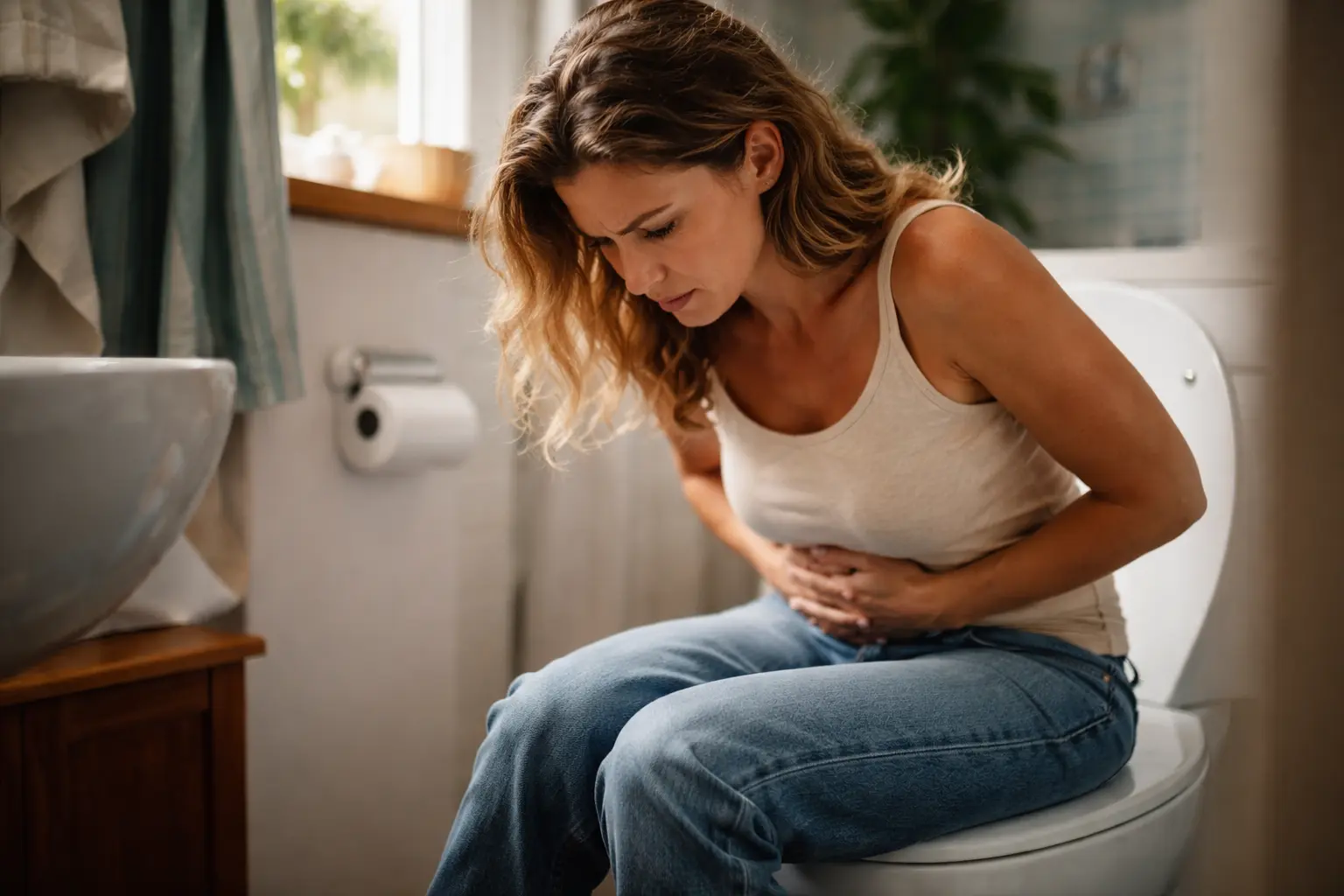
Your stomach is wrecking your day, your plans are shot, and you’re tired of running to the bathroom every five minutes – but here’s the thing: diarrhea causes explained and fixed are within reach, and this guide walks you through exactly what to do right now.
Nutrition for digestive health
What you eat directly shapes how your digestive system responds. Think of your gut like a sensitive instrument that needs the right fuel to work smoothly. When diarrhea strikes, your body is telling you something needs adjustment. Start by identifying which foods trigger your symptoms. Many women find that dairy products, high-fat foods, artificial sweeteners, and excessive caffeine worsen their condition within hours. Instead, focus on gentle, binding foods like plain white rice, bananas, applesauce, and toast – foods that help firm up loose stools naturally. Add bone broth or plain chicken to your meals for protein without irritation. Probiotics from yogurt, kefir, or supplements can restore healthy gut bacteria that diarrhea depletes. Hydration is critical too. Drink water steadily throughout the day, not all at once. Consider electrolyte drinks if diarrhea has been severe, as your body loses essential minerals. Keep a food diary for one week to spot patterns. You might discover that coffee at breakfast triggers afternoon symptoms, or that restaurant meals with hidden oils cause problems. Once you identify your triggers, you can plan meals that keep you stable and comfortable.
- Increase water intake to stay hydrated and aid digestion.
- Include bananas, plain rice, applesauce, and toast in your diet to bind stools.
- Consult a nutritionist for personalized dietary recommendations.
Lifestyle adjustments
Your daily habits shape your digestive health more than you might realize. Stress tightens your gut and accelerates bowel movements, which is why diarrhea often flares during busy work weeks or stressful periods. Start a simple practice: spend five minutes each morning doing deep breathing before your day begins. Breathe in for four counts, hold for four, exhale for six. This calms your nervous system and signals your gut to relax. Yoga poses like child’s pose and gentle twists naturally massage your digestive organs. Even a ten-minute walk after meals helps regulate digestion. Sleep matters enormously. When you’re exhausted, your immune system weakens and your gut becomes more reactive. Aim for seven to nine hours nightly. If diarrhea keeps you awake, try sleeping with an extra pillow to elevate your head slightly. Exercise regularly but avoid intense workouts during flare-ups, as high-intensity training can trigger symptoms. Instead, choose walking, swimming, or stretching. Track your stress levels and symptoms in a simple notebook. You might notice diarrhea worsens on Mondays after stressful weekends, or improves when you prioritize self-care. This awareness helps you plan preventively.
📘 Fix your day in under 2 minuteschoose where to begin:
Over-the-counter remedies
When diarrhea disrupts your life, over-the-counter options can provide fast relief while you address underlying causes. Loperamide, commonly sold as Imodium, slows intestinal movement and reduces urgency within thirty minutes to two hours. Bismuth subsalicylate, known as Pepto-Bismol, reduces inflammation and kills some bacteria causing symptoms. Both work differently, so choose based on your situation. If you need to attend a meeting or event, loperamide offers quicker relief. If you suspect food poisoning or bacterial infection, bismuth subsalicylate may be more appropriate. Never use these medications for more than two days without consulting your doctor, as masking symptoms can sometimes allow infections to worsen. Some women prefer activated charcoal, which absorbs toxins in your digestive tract. Others find that simple anti-diarrheal teas containing ginger or chamomile provide gentle relief without medication. Before taking anything, read the label carefully and check for interactions with other medications you use. If you’re pregnant, nursing, or have underlying health conditions, call your pharmacist or doctor first. Keep a small packet of your preferred remedy in your bag so you’re never caught unprepared.
Herbal remedies and supplements
Natural remedies have helped women manage diarrhea for centuries, and modern research supports many of them. Peppermint oil soothes intestinal cramping and reduces spasms within minutes of taking an enteric-coated capsule. Ginger root, whether fresh in tea or as a supplement, reduces inflammation and nausea that often accompanies diarrhea. Psyllium husk acts as a gentle fiber that absorbs excess water in your stool, firming it naturally without the harshness of other fiber supplements. Start with a small dose and increase gradually, as too much fiber too quickly can backfire. Slippery elm bark coats your digestive tract with a protective layer, reducing irritation. Bone broth provides collagen and amino acids that heal your gut lining. Many women prepare a warm cup each morning as part of their routine. Probiotics like Lactobacillus and Bifidobacterium restore beneficial bacteria that diarrhea washes away. Choose a quality brand with multiple strains and at least ten billion CFU. Take them with food for better absorption. Turmeric contains curcumin, a powerful anti-inflammatory compound. Add it to rice dishes or warm milk. Before starting any herbal remedy, especially if you take medications, consult your healthcare provider to ensure safety and avoid interactions.
When to seek medical advice
Knowing when diarrhea requires professional attention protects your health. Seek medical care immediately if diarrhea lasts more than two days, if you see blood or black stools, if you have severe abdominal pain, or if you show signs of dehydration like extreme thirst, dark urine, or dizziness. Diarrhea lasting more than a week suggests an underlying condition like irritable bowel syndrome, celiac disease, or a chronic infection that needs diagnosis. If you’re losing weight unintentionally while having diarrhea, this signals your body isn’t absorbing nutrients properly. Women over fifty or those with a family history of digestive diseases should be especially attentive. Your doctor can order stool tests, blood work, or imaging to identify the cause. Certain medications, including antibiotics, can trigger diarrhea as a side effect. If you started a new medication recently and diarrhea began shortly after, tell your doctor immediately. They might switch you to an alternative. Keep notes about your symptoms before your appointment: when diarrhea occurs, what triggers it, how many times daily, and any other symptoms like fever or bloating. This information helps your doctor diagnose quickly and accurately.
Managing diarrhea effectively combines smart nutrition choices, stress reduction, targeted remedies, and knowing when professional help is necessary. By adjusting your diet to identify trigger foods, practicing stress-relief techniques, using appropriate over-the-counter or herbal options, and recognizing warning signs that warrant medical attention, you regain control over your digestive health and your daily life.
Can stress worsen diarrhea symptoms?
Yes, stress directly impacts your gut. When you’re anxious or overwhelmed, your nervous system triggers faster intestinal contractions and increased sensitivity. Practicing daily stress-relief techniques like meditation, deep breathing, or gentle yoga can significantly reduce symptom frequency and severity.
Are there specific foods that can trigger diarrhea?
Absolutely. Common triggers include dairy products, high-fat foods, spicy dishes, caffeine, artificial sweeteners, and processed foods. However, triggers vary by person. Keep a food diary for one to two weeks, noting what you eat and when symptoms appear. This reveals your personal patterns so you can avoid problem foods strategically.
Others also read:
Disclaimer: This article is for informational purposes only and is not a substitute for professional medical advice. Always consult a healthcare professional for personal guidance.
This guide has been prepared and reviewed by the GlobalHealthBeacon editorial team and reflects current medical research as of 2026. It provides structured, evidence-based information to support informed health decisions.

