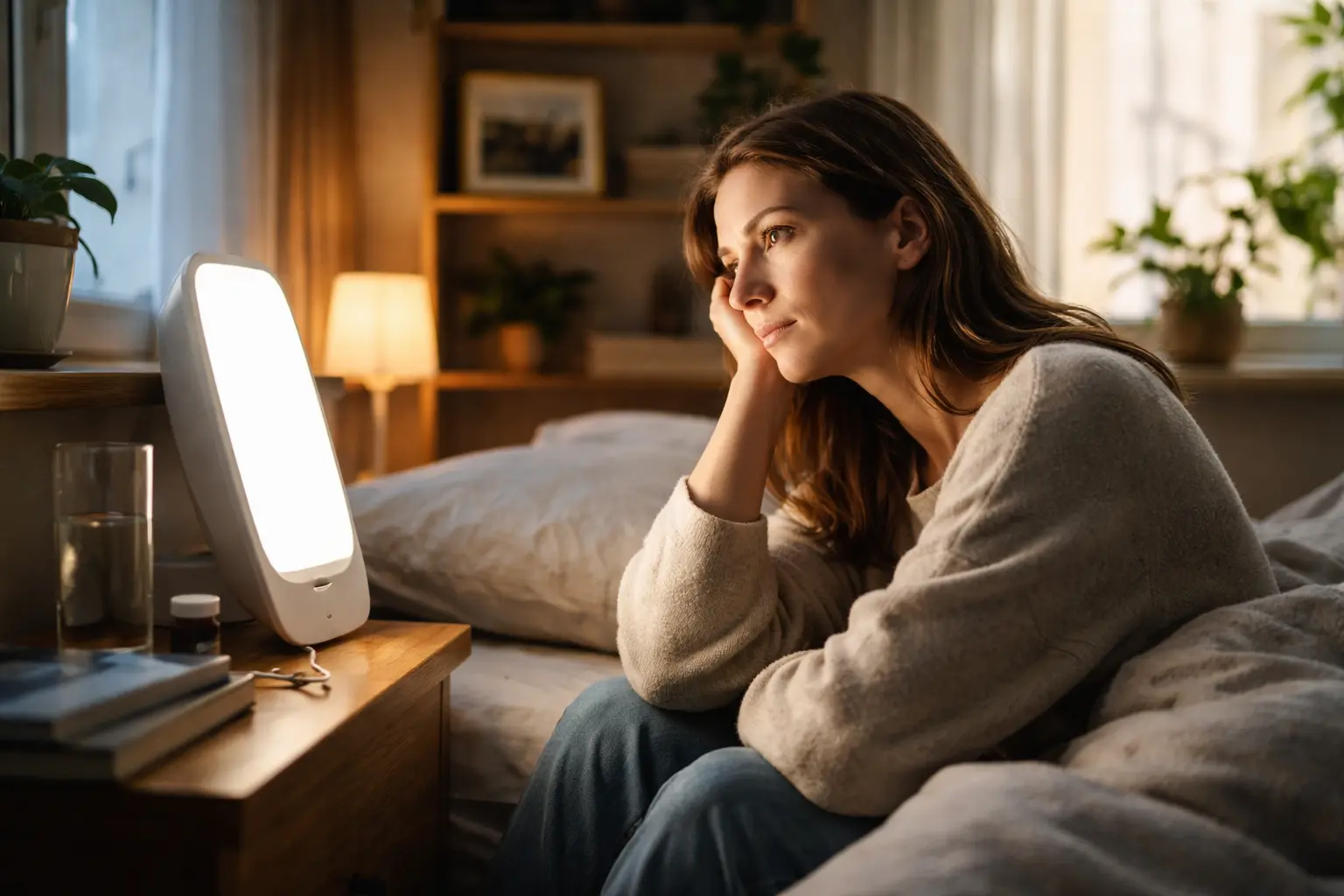
You wake up at 7 AM but it feels like midnight, your mood is flat, and nothing seems worth the effort anymore – does a daylight lamp work against depression, or is it just another wellness gimmick that won’t actually change how you feel?
Understanding depression and light therapy
Depression in seniors often looks different than it does in younger people. You might not feel sad so much as numb, tired, or disconnected from activities you once enjoyed. This is where understanding the connection between light and mood becomes practical. Your body has an internal clock, called your circadian rhythm, that depends heavily on light exposure to function properly. When you spend less time in natural sunlight, especially during winter months or if mobility limits your outdoor time, this rhythm gets disrupted. A daylight lamp mimics the brightness and wavelength of natural sunlight, sending signals to your brain that help regulate serotonin production and melatonin timing. Think of it this way: if depression is like living in a dimly lit room, a daylight lamp turns up the brightness. Research shows that light therapy can be particularly effective for seasonal affective disorder and depression in older adults. The key is consistency and the right intensity. A lamp with 10,000 lux brightness, used in the morning, can help reset your internal clock and lift your mood within days or weeks.
- Daylight lamps emit bright light that can regulate your body’s internal clock.
- Using a daylight lamp regularly may improve mood and sleep patterns.
- Consult your healthcare provider before starting light therapy for depression.
Choosing the right daylight lamp
Not all bright lamps are created equal, and picking the wrong one means wasting money on something that won’t help. The gold standard for light therapy is 10,000 lux intensity, measured at a distance of about 16 to 24 inches from your face. This brightness level has the most research backing for mood improvement. When you shop, look for lamps specifically labeled as light therapy devices or SAD lamps, not just regular desk lamps. Check the specifications: the lux rating should be clearly stated. You also want adjustable brightness settings so you can start lower if your eyes are sensitive and gradually increase. Consider the lamp’s size and placement in your daily routine. A compact light box that fits on your nightstand or breakfast table works better than something bulky you have to set up each time. Some seniors prefer a light therapy visor or glasses, which allows movement while using it. Read reviews from other older adults if possible, and ask your eye doctor if you have concerns about glare or eye strain. Budget between 30 to 100 dollars for a quality device.
📘 Fix your day in under 2 minuteschoose where to begin:
Implementing light therapy safely
Starting light therapy the wrong way can lead to side effects like headaches or irritability, which might make you quit before it works. Begin with just 15 to 20 minutes in the early morning, ideally between 6 AM and 9 AM, when your circadian rhythm is most responsive. Position the lamp at eye level, about 16 to 24 inches away, angled slightly downward so light enters your eyes indirectly. This is crucial: do not stare directly into the lamp. Instead, let the light fill your peripheral vision while you read, eat breakfast, or check emails. After a week, if you tolerate it well, increase to 25 to 30 minutes daily. If you experience headaches, reduce the duration and intensity. Never use light therapy in the evening or at night, as this can disrupt your sleep. If you take medications that increase light sensitivity, such as certain antibiotics or psychiatric medications, discuss timing with your doctor. Keep a simple log of when you use the lamp and how you feel. This helps you and your healthcare provider track whether it’s actually working for you.
Monitoring your progress
Change happens slowly with light therapy, and many seniors give up too soon because they expect instant results. Set realistic expectations: most people notice shifts in mood and energy within 3 to 7 days, but full benefits can take 2 to 4 weeks. Start tracking three things: your overall mood on a scale of 1 to 10, your energy level, and your sleep quality. Write these down each morning or evening in a notebook or phone app. You might notice you wake up earlier, feel less groggy, or find yourself more interested in activities. These small changes add up. If after four weeks you see no improvement, discuss it with your doctor. Sometimes the lamp intensity needs adjustment, or light therapy might work better combined with other treatments. Consistency matters more than perfection. Missing a day or two won’t erase progress, but using the lamp five to seven days a week gives you the best chance of success. Be patient with yourself. Depression didn’t develop overnight, and recovery takes time.
Creating a supportive environment
A daylight lamp is a tool, not a cure, and it works best when combined with other actions that support your mental health. While using your lamp each morning, also prioritize movement. Even a 10-minute walk or gentle stretching signals to your body that you’re engaged with life. Nutrition matters too: eating regular meals with protein, vegetables, and whole grains stabilizes blood sugar and mood. Social connection is powerful. Invite a friend for coffee during your light therapy session, join a senior center class, or schedule regular calls with family. Loneliness amplifies depression, and light therapy alone won’t fix that. Add relaxation practices like deep breathing, listening to music, or gentle yoga. If depression feels overwhelming, reach out to a mental health professional. Many therapists now offer virtual sessions, making it easier for seniors with mobility challenges. Consider whether your living space gets enough natural light too. Open curtains during the day, sit by windows when possible, and spend time outdoors on sunny days. Light therapy supplements these efforts but doesn’t replace them. Think of it as one piece of a larger puzzle you’re assembling to feel better.
Light therapy using a daylight lamp may help alleviate symptoms of depression in seniors. Choose the right lamp, use it safely, monitor your progress, and create a supportive environment to enhance the benefits of light therapy.
Can light therapy with a daylight lamp replace other depression treatments?
Light therapy can be used as a complementary treatment for depression, but it’s essential to consult your healthcare provider for personalized advice on managing your condition.
Are there any side effects of using a daylight lamp for light therapy?
When used correctly, light therapy is generally safe. However, some individuals may experience side effects like eyestrain, headache, or irritability. Adjust the duration and intensity of light exposure if you encounter any discomfort.
Others also read:
Disclaimer: This article is for informational purposes only and is not a substitute for professional medical advice. Always consult a healthcare professional for personal guidance.
This guide has been prepared and reviewed by the GlobalHealthBeacon editorial team and reflects current medical research as of 2026. It provides structured, evidence-based information to support informed health decisions.
← Go to the does a daylight lamp work against depression main guide
