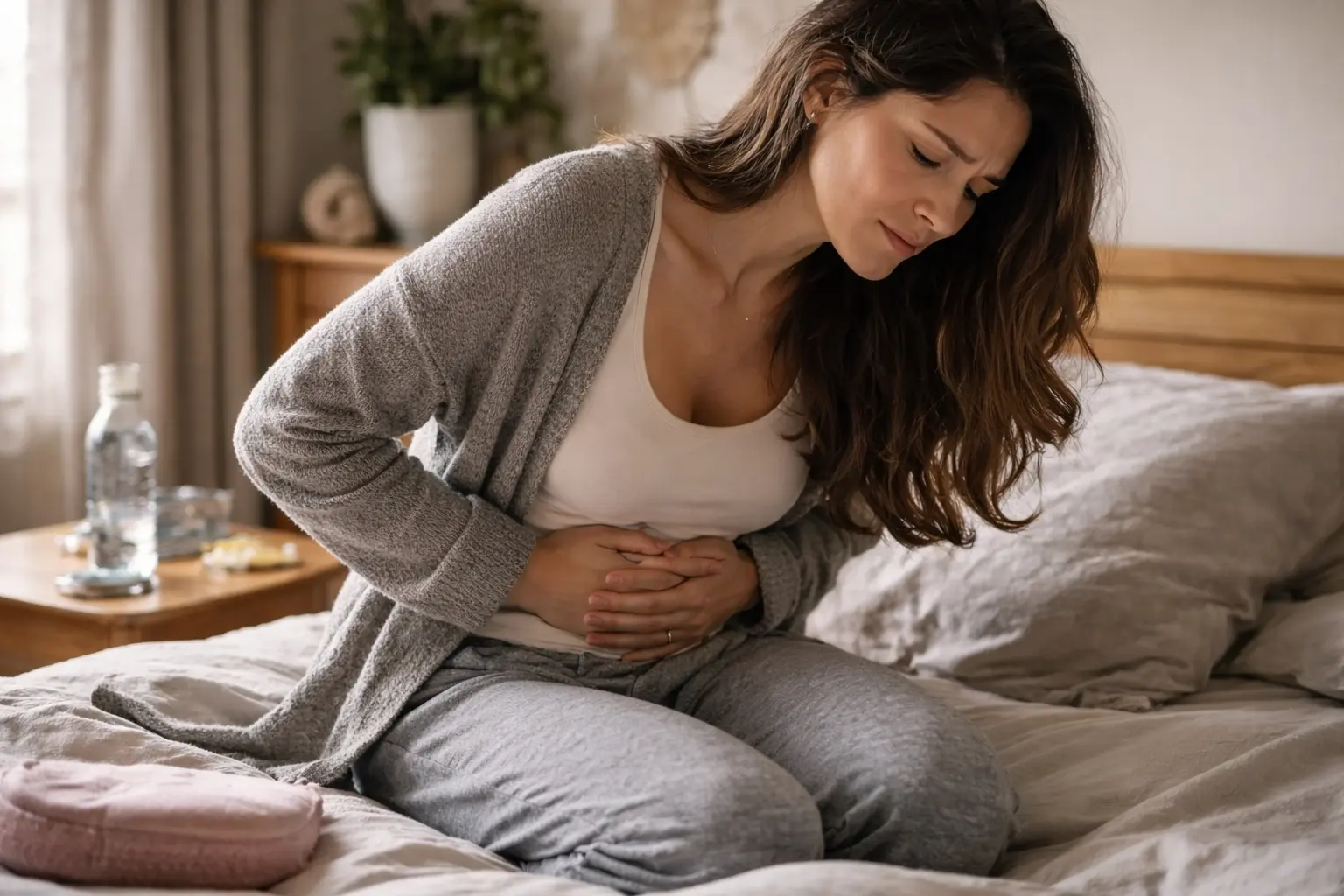
If you’re bleeding through tampons in hours, wincing during sex, or spending half your cycle curled up in pain, your body is trying to tell you something, and endometriosis symptoms might be exactly what you’re dealing with.
Recognizing the signals of endometriosis
Understanding the warning signs of endometriosis is your first step toward getting answers. Many women describe the pain as different from typical period cramps, sharper and more persistent, sometimes radiating into the lower back or legs. Pelvic pain during menstruation is the most common signal, but it doesn’t always follow a predictable pattern. Some women experience pain that worsens over time, while others notice it fluctuates month to month. Heavy menstrual bleeding might mean soaking through a pad every hour or passing large clots. Pain during intercourse, known as dyspareunia, can range from mild discomfort to severe pain that makes intimacy difficult. Bowel movements and urination can also become uncomfortable, especially during your period. If you’re noticing these patterns, tracking your symptoms in a journal for two to three months gives your healthcare provider concrete information to work with during your appointment.
- Pelvic pain, especially during menstruation
- Heavy menstrual bleeding
- Painful intercourse or bowel movements
Navigating the risks of endometriosis
Endometriosis carries real risks that deserve your attention, but understanding them helps you take control. Fertility challenges affect roughly 30 to 50 percent of women with endometriosis, though many still conceive naturally or with medical support. Chronic pelvic pain can persist even outside your cycle, affecting your daily quality of life, work performance, and emotional well-being. Some women develop adhesions, where tissue sticks to organs, potentially causing complications. The condition also increases your risk of ovarian cancer, though the absolute risk remains low. Beyond physical complications, the emotional toll is significant. Many women report depression, anxiety, and relationship strain from managing chronic pain and fertility concerns. By understanding these risks early, you shift from feeling blindsided to being proactive. Work with your healthcare team to create a personalized plan that addresses your specific concerns, whether that’s fertility preservation, pain management, or both.
📘 Fix your day in under 2 minuteschoose where to begin:
Empowering yourself with knowledge
Knowledge transforms endometriosis from something happening to you into something you understand and can influence. Start by learning the basics: endometriosis occurs when tissue similar to your uterine lining grows outside the uterus, causing inflammation and pain. Understanding this mechanism helps you see why certain treatments work the way they do. Read reputable sources like medical journals, your doctor’s explanations, and patient advocacy organizations. Join online communities or local support groups where women share real experiences, coping strategies, and treatment outcomes. Ask your healthcare provider specific questions about your diagnosis, imaging results, and why they recommend certain treatments over others. Keep copies of your medical records and imaging reports so you can reference them and share them with specialists if needed. This knowledge base becomes your foundation for making informed decisions about your body and advocating for yourself in medical appointments.
Exploring treatment options
Treatment for endometriosis ranges from conservative approaches to surgical interventions, and the right choice depends on your symptoms, fertility goals, and personal preferences. Over-the-counter pain relievers like ibuprofen or naproxen can help manage mild to moderate pain, though some women need prescription-strength options. Hormonal birth control methods, including pills, patches, rings, and intrauterine devices, reduce or stop menstruation, giving inflamed tissue time to heal. Some women find relief with progestin-only methods or continuous-dose pills that eliminate monthly periods entirely. Gonadotropin-releasing hormone agonists create a temporary menopausal state that suppresses endometrial growth but typically aren’t used long-term due to side effects. Laparoscopic surgery removes visible endometrial lesions and adhesions, offering pain relief that can last months or years. Hysterectomy is considered only when other treatments fail and you’ve completed your family planning. Your healthcare provider will discuss which options align with your goals, whether that’s immediate pain relief, fertility preservation, or long-term management.
Lifestyle changes and support
Lifestyle modifications work alongside medical treatment to reduce inflammation, manage pain, and improve your overall well-being. Regular exercise, even gentle movement like walking or yoga, reduces pelvic pain and supports mental health. A diet rich in omega-3 fatty acids, leafy greens, and whole foods while limiting red meat and processed foods can decrease inflammation. Stress management through meditation, deep breathing, or therapy addresses the mind-body connection, since stress intensifies pain perception. Heat therapy using heating pads on your abdomen or lower back provides immediate relief during flare-ups. Adequate sleep strengthens your immune system and helps regulate hormones. Equally important is emotional support. Endometriosis affects your identity, relationships, and future plans, so connecting with a therapist, counselor, or support group validates your experience and provides coping tools. Many women find that combining medical treatment with lifestyle changes and emotional support creates the most sustainable path forward.
Recognize the signs, understand the risks, empower yourself with knowledge, explore treatment options, and embrace lifestyle changes and support to navigate the challenges of endometriosis effectively.
What are the common symptoms of endometriosis?
Common symptoms of endometriosis include pelvic pain, heavy menstrual bleeding, pain during intercourse, and discomfort during bowel movements.
How is endometriosis diagnosed?
Endometriosis is often diagnosed through a combination of medical history, pelvic exams, imaging tests, and laparoscopic surgery for definitive confirmation.
Others also read:
Disclaimer: This article is for informational purposes only and is not a substitute for professional medical advice. Always consult a healthcare professional for personal guidance.
This guide has been prepared and reviewed by the GlobalHealthBeacon editorial team and reflects current medical research as of 2026. It provides structured, evidence-based information to support informed health decisions.
