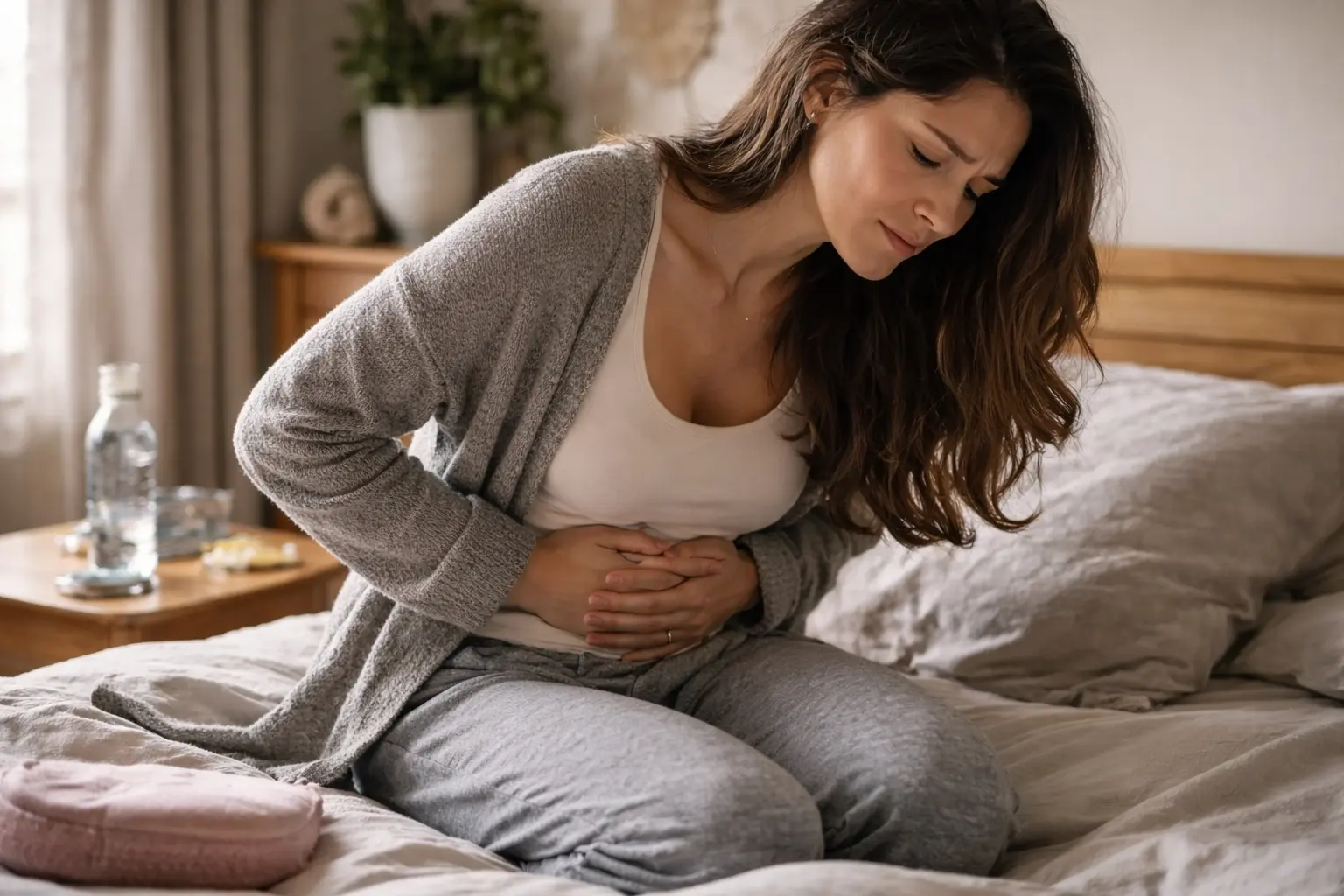
Pelvic pain that ruled your thirties suddenly feels different in your fifties, and you’re wondering if endometriosis symptoms are finally loosening their grip or if something else is happening in your body.
Endometriosis symptoms in young adults
For younger individuals navigating endometriosis, the experience often feels all-consuming. Pelvic pain can range from a dull ache to sharp, debilitating discomfort that makes sitting through work meetings or social gatherings feel impossible. Menstrual periods may become heavy and prolonged, sometimes lasting longer than a week with flooding that requires frequent changes. Intercourse often becomes painful, a symptom called dyspareunia, which can strain relationships and create emotional distress. Consider Sarah, a 28-year-old who spent years thinking her severe period pain was normal until diagnosis. She couldn’t plan vacations around her cycle, missed important events, and felt isolated because friends didn’t understand why she needed to cancel plans. These symptoms in younger years often trigger the search for answers and medical intervention, as they significantly disrupt education, career development, and personal relationships during critical life stages.
Impact of aging on endometriosis symptoms
As the body ages, hormonal patterns shift dramatically. The reproductive hormones that fuel endometriosis lesion growth and inflammation begin to fluctuate more irregularly, eventually declining substantially. Menopause, typically occurring around age 50, marks a significant turning point. Estrogen levels drop sharply, and this hormonal transition affects endometriosis tissue directly. Many individuals report that the severity of their symptoms decreases noticeably during perimenopause and after menopause. The biological mechanism is straightforward: endometriosis lesions depend on estrogen to grow and cause inflammation. With less circulating estrogen, these lesions often shrink and become less active. However, this doesn’t mean symptoms disappear entirely for everyone. Some people continue experiencing pelvic pain or other complications even after menopause, particularly if scar tissue has formed or if adhesions have developed over decades.
Changes in endometriosis symptoms over time
The trajectory of endometriosis symptoms across decades follows patterns that researchers have documented extensively. Menstrual irregularities that characterized younger years gradually become less pronounced as hormone levels stabilize at lower levels. A woman who once experienced heavy, painful periods every month might find her periods becoming lighter and less frequent in her late forties and fifties. Pelvic pain and discomfort during intercourse often decrease due to reduced hormonal stimulation of endometriosis lesions, though some individuals report that deep pain persists due to scar tissue. The risk of infertility associated with endometriosis becomes less relevant after menopause, though this offers little comfort to those who struggled with fertility earlier. Consider Margaret, who endured two decades of severe symptoms before reaching age 52. She noticed her pain medication needs dropped by half, her periods became manageable without heavy-flow products, and she could finally plan activities without worrying about symptom flares. Yet she still experiences occasional pelvic discomfort, a reminder that endometriosis leaves lasting marks even as active symptoms fade.
- Monitor symptoms carefully by keeping a detailed journal that tracks pain intensity, menstrual patterns, and activity levels to identify trends and triggers over time.
- Consult with a healthcare provider regularly, at least annually or when new symptoms emerge, to discuss changes and adjust management strategies as needed.
- Consider lifestyle modifications such as anti-inflammatory diet choices, consistent gentle exercise like walking or swimming, stress reduction techniques, and adequate sleep to support overall health and potentially reduce symptom severity.
🔬 Science-backed benefits in 2 minuteschoose where to begin:
Managing endometriosis symptoms in older adults
While menopause often brings relief, individuals with endometriosis should remain vigilant about their health. New or worsening symptoms can occasionally signal other conditions that become more common with age, such as ovarian cysts, fibroids, or bowel issues. Treatment approaches shift in later years. Hormone therapy, once a primary tool, requires careful consideration since some forms can stimulate endometriosis. Pain management becomes increasingly important for those with persistent discomfort, and options range from over-the-counter medications to prescription pain relievers or nerve-blocking treatments. Lifestyle modifications remain powerful tools: regular movement helps maintain pelvic floor health, anti-inflammatory foods support overall wellness, and stress management techniques reduce pain perception. Some older adults find that pelvic floor physical therapy addresses lingering pain or dysfunction. Others benefit from heat therapy, acupuncture, or other complementary approaches. The key is working with healthcare providers who understand both endometriosis and aging to create a personalized management plan that addresses your specific situation.
Research and future perspectives
Scientific understanding of how aging affects endometriosis continues to evolve. Researchers are investigating why some individuals experience complete symptom resolution after menopause while others continue struggling. Studies examine how estrogen-independent mechanisms might sustain endometriosis lesions even when hormone levels drop. Understanding these differences could lead to better diagnostic tools that predict who will benefit most from specific treatments. Future research may reveal why scar tissue and adhesions persist and cause pain long after lesions shrink. Scientists are also exploring whether early-life endometriosis management strategies can prevent complications in later years. Personalized medicine approaches are emerging, where genetic and molecular markers might help predict symptom trajectories and guide treatment choices. For older adults, this research offers hope that future generations will have better tools to manage endometriosis across their entire lifespan, with treatments tailored to their unique biology rather than one-size-fits-all approaches.
Support and resources
Living with endometriosis, whether in youth or older age, benefits enormously from community and reliable information. Healthcare providers who specialize in endometriosis understand the nuances of symptom management across different life stages. Support groups, both in-person and online, connect you with others who truly understand the experience. Hearing from someone who navigated the same symptom changes you’re experiencing can normalize your journey and provide practical coping strategies. Reputable organizations dedicated to endometriosis offer evidence-based educational materials, research updates, and provider directories. Online forums allow you to ask questions anonymously and learn from diverse experiences. Many older adults find that connecting with others in similar life stages helps them feel less alone and more empowered to advocate for their health. Mental health support through counseling or therapy addresses the emotional weight of managing a chronic condition across decades. Building this support network transforms endometriosis from an isolating experience into a manageable condition with community backing.
Aging fundamentally changes how endometriosis presents and impacts your life, with hormonal shifts during menopause often bringing significant symptom relief for many. Understanding these natural changes, staying alert to your body’s signals, and maintaining regular healthcare conversations allows you to navigate endometriosis effectively across all life stages. Your experience matters, and support is available.
Can endometriosis symptoms improve with age?
Yes, many individuals experience substantial improvement in endometriosis symptoms as they age, particularly after menopause when estrogen levels decline significantly. However, experiences vary widely. Some people notice symptoms disappear almost completely, while others continue experiencing pelvic pain or other complications due to scar tissue and adhesions that developed over years. Individual factors like the extent of disease, previous treatments, and overall health influence outcomes. Consulting with your healthcare provider helps you understand what to expect based on your specific situation.
What lifestyle changes can help alleviate endometriosis symptoms in older adults?
Several lifestyle modifications support symptom management in older age. A diet rich in anti-inflammatory foods like fatty fish, leafy greens, and berries may reduce pain and inflammation. Regular gentle exercise such as walking, swimming, or yoga improves pelvic health and reduces pain perception. Stress management through meditation, deep breathing, or relaxation techniques helps since stress amplifies pain signals. Adequate sleep supports immune function and pain regulation. Heat therapy applied to the pelvic area provides comfort. Pelvic floor physical therapy addresses lingering dysfunction. Working with healthcare providers to create a personalized plan ensures these changes align with your specific needs and health conditions.
Others also read:
Disclaimer: This article is for informational purposes only and is not a substitute for professional medical advice. Always consult a healthcare professional for personal guidance.
This article has been prepared and reviewed by the GlobalHealthBeacon editorial team and is based on current medical research and published scientific literature available in 2026. It provides structured, evidence-based information to support informed health decisions.
