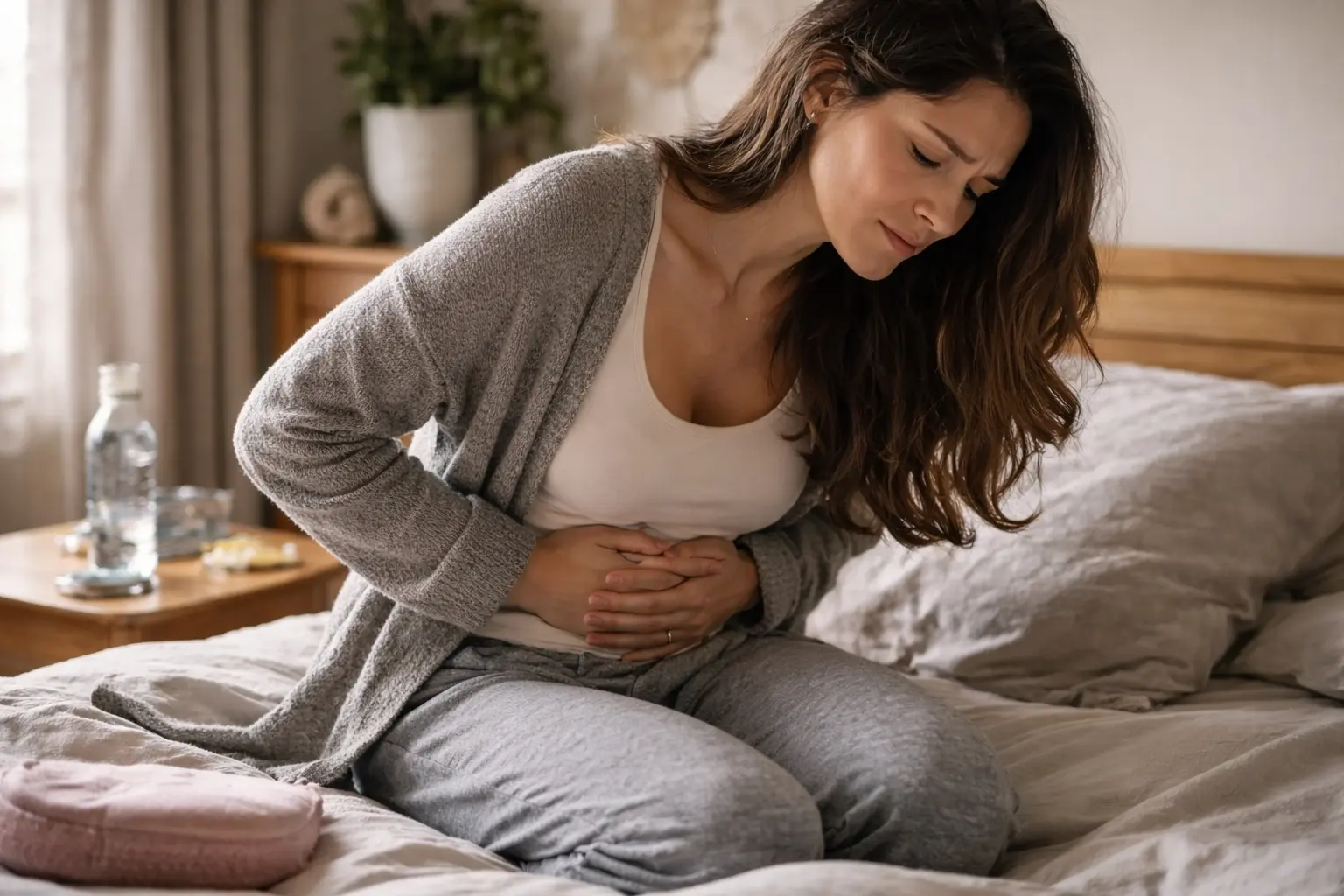
Waking up to debilitating cramps that make you miss work, or bleeding so heavy you’re changing tampons every hour, is not normal and endometriosis symptoms could be the reason why.
Pain patterns and intensity
Endometriosis pain operates on a spectrum that many young adults don’t expect. For some, severe menstrual cramps arrive like clockwork each month, forcing them to cancel plans, call in sick, or spend days curled up with heating pads. Imagine being 24 and having to explain to your boss that you need to work from home because the pain is too intense to concentrate. Beyond the cyclical cramping, many people experience chronic pelvic pain that shows up randomly throughout the month, independent of their menstrual cycle. This unpredictability can be especially frustrating because you never know when it will strike. Some describe it as a constant dull ache, while others report sharp, stabbing sensations. The intensity can range from mildly uncomfortable to completely debilitating. Understanding that this pain has a biological basis, rather than being psychosomatic or exaggerated, is crucial for validation and proper management.
Menstrual irregularities
Your period can become a source of real confusion when endometriosis is present. Irregular cycles might mean your period arrives two weeks early one month and three weeks late the next, making planning nearly impossible. Heavy menstrual flow is one of the hallmark signs, where some individuals report soaking through a super tampon in an hour or passing clots the size of quarters. Breakthrough bleeding between periods, sometimes called intermenstrual bleeding, can also occur unexpectedly. Picture being in the middle of a presentation at work and suddenly realizing you’re bleeding through your clothes. These menstrual changes happen because endometrial tissue growing outside the uterus responds to hormonal fluctuations just like the tissue inside does, creating excess bleeding and inflammation. Tracking these patterns in a period app or journal can reveal important information that helps healthcare providers understand what’s happening in your body.
Impact on fertility
Endometriosis can complicate the path to parenthood by creating physical barriers to conception. Scar tissue and adhesions form when endometrial tissue bleeds and heals repeatedly outside the uterus, sometimes gluing reproductive organs together or blocking fallopian tubes. Think of it like internal scarring that disrupts the delicate choreography required for eggs and sperm to meet. Some people with endometriosis conceive naturally without difficulty, while others face significant challenges. The condition can also affect egg quality and the uterine environment itself, making implantation harder. If you’re in your late twenties or thirties and planning to have children, discussing endometriosis and fertility early with a reproductive specialist gives you time to explore options like fertility treatments or assisted reproductive technologies. Early conversation means more informed choices and less time spent wondering what could have been done differently.
- Consult a healthcare provider for a comprehensive evaluation.
- Discuss potential fertility treatment options.
- Explore assisted reproductive technologies if needed.
🔬 Science-backed benefits in 2 minuteschoose where to begin:
Gastrointestinal symptoms
Digestive issues accompanying endometriosis often get overlooked or misdiagnosed as irritable bowel syndrome. Bloating can become so severe that your pants fit differently depending on the time of day or where you are in your cycle. Diarrhea or constipation might alternate unpredictably, making it hard to plan meals or social activities. Some people experience nausea that feels like mild food poisoning. These gastrointestinal symptoms occur because endometrial tissue can implant on or near the bowel, and the inflammatory response triggered by endometriosis affects the entire pelvic region. Imagine dealing with both period pain and stomach issues simultaneously, which is the reality for many. Keeping a symptom diary that tracks both menstrual and digestive patterns can help reveal connections and provide valuable information to share with healthcare providers who might otherwise attribute everything to IBS.
Fatigue and exhaustion
The tiredness that comes with endometriosis is not the normal fatigue from a late night or busy week. It’s a bone-deep exhaustion that makes getting out of bed feel like climbing a mountain. Young adults often describe feeling like they’re running on empty, struggling to keep up with work, school, or social commitments. This exhaustion stems from multiple factors: chronic pain disrupts sleep quality, the inflammatory response consumes significant energy, and blood loss from heavy periods can contribute to anemia. You might sleep nine hours and still feel completely drained. Some people find themselves napping after work, canceling evening plans, or feeling mentally foggy throughout the day. Understanding that this fatigue is a legitimate symptom of the condition, not laziness or depression, helps you approach energy management strategically rather than blaming yourself.
Emotional impact
Living with endometriosis takes an emotional toll that deserves serious attention. Anxiety about when the next pain episode will hit, depression from chronic illness, and feelings of isolation when friends don’t understand why you’re canceling plans again can accumulate over time. Young adults often feel caught between wanting to appear fine and actually struggling significantly. The grief of missing out on experiences, the frustration of having your body betray you, and the loneliness of an invisible illness create a mental health burden that’s just as real as the physical symptoms. Some people develop anticipatory anxiety around their period, dreading the pain before it even arrives. Others feel isolated because their peers don’t experience anything similar. Recognizing that these emotional responses are normal reactions to a challenging condition, not personal weaknesses, is important. Seeking support from therapists, support groups, or trusted friends who understand can make a meaningful difference in your overall well-being.
Endometriosis symptoms range from severe menstrual cramps and infertility issues to gastrointestinal disturbances and emotional challenges. Early detection and appropriate management are crucial for improving quality of life.
Can endometriosis symptoms be managed effectively?
Yes, with proper medical care and lifestyle adjustments, endometriosis symptoms can be managed to improve quality of life and maintain overall well-being.
Are there specific risk factors for developing endometriosis?
While the exact cause of endometriosis is not clear, factors like family history, early onset of menstruation, and heavy menstrual flow may increase the risk of developing the condition.
Others also read:
Disclaimer: This article is for informational purposes only and is not a substitute for professional medical advice. Always consult a healthcare professional for personal guidance.
This article has been prepared and reviewed by the GlobalHealthBeacon editorial team and is based on current medical research and published scientific literature available in 2026. It provides structured, evidence-based information to support informed health decisions.
