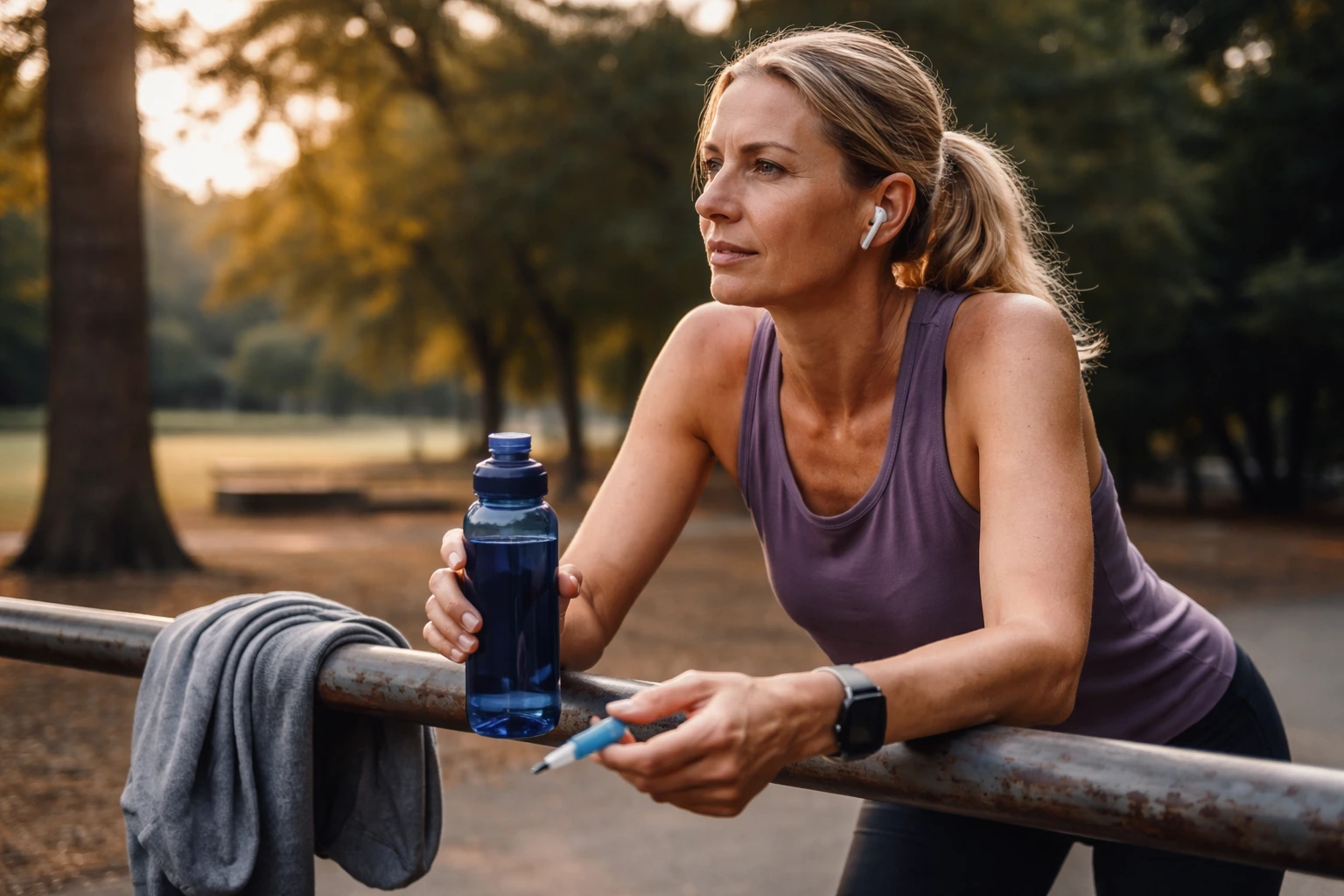
You’re on GLP-1 medication, you want to stay active, but you’re not sure if your body will cooperate the way it used to, and that uncertainty is exhausting, so let’s cut through the confusion about exercising on GLP-1 medication and actually understand what’s happening inside your body.
GLP-1 medication: a primer
GLP-1 medications represent a significant development in how we manage type 2 diabetes and metabolic health. These drugs work by mimicking glucagon-like peptide-1, a hormone your body naturally produces. When you take a GLP-1 medication, it signals your pancreas to release insulin more effectively when blood sugar rises, slows the rate at which food moves through your stomach, and helps regulate your appetite by affecting signals in your brain. Think of it as giving your body’s natural control system a boost. For seniors, this means better blood sugar stability throughout the day. The medication doesn’t force your body to do anything unnatural; it enhances processes that already exist. Understanding this foundation helps explain why your exercise response might feel different than it did before starting the medication, and why certain precautions matter more now.
Impact on exercise response
When you exercise while on GLP-1 medication, several physiological changes happen simultaneously. Your muscles demand more glucose for energy, your heart rate increases, and your body mobilizes stored energy. GLP-1 medication influences this process by improving how your body handles glucose during physical activity. Research shows that seniors on these medications often experience improved cardiovascular function, meaning their hearts work more efficiently during exercise. Weight loss that frequently accompanies GLP-1 use also reduces the physical stress on joints during movement. Imagine climbing stairs before and after losing ten pounds; the same effort feels easier. However, this improved efficiency can sometimes mask early signs of low blood sugar, which is why monitoring becomes crucial. The medication essentially optimizes your metabolic response, but that optimization requires you to stay aware of how your body is actually performing, not just how it feels.
Optimizing exercise on GLP-1 medication
Creating a safe exercise routine while on GLP-1 medication involves several interconnected steps that work together. First, your healthcare provider needs to understand your complete health picture before you increase physical activity. They’ll consider your current fitness level, any other medications you take, and how your body has responded to GLP-1 so far. Second, blood sugar monitoring becomes your feedback system. Check levels before exercise to establish a baseline, during longer workouts to catch any concerning drops, and after exercise when your body is still processing the metabolic changes from activity. This data tells you whether your current routine is working or needs adjustment. Third, hydration matters more on GLP-1 because the medication affects how your stomach processes fluids. Dehydration can amplify dizziness or fatigue. Fourth, learn the actual symptoms of low blood sugar specific to you: some people feel shaky, others feel confused or irritable. Knowing your personal warning signs lets you act quickly. Many seniors make the mistake of pushing through discomfort thinking it’s just normal exercise fatigue, when it’s actually their body signaling a real problem.
- Consult with your healthcare provider prior to beginning any exercise routine, ensuring they understand your GLP-1 dosage and any other health conditions.
- Regularly check blood sugar levels before, during, and after exercise to establish patterns and ensure they remain within a healthy range.
- Stay hydrated and be aware of symptoms of low blood sugar during and after exercise, such as shakiness, confusion, or unusual fatigue.
🔬 Science-backed benefits in 2 minuteschoose where to begin:
Balancing safety and efficacy
The goal isn’t to exercise less on GLP-1 medication; it’s to exercise smarter. Many seniors worry that the medication will limit their activity, but the opposite is often true. Better blood sugar control and improved cardiovascular function actually enable more consistent exercise over time. The balance comes from respecting your body’s new baseline. If you previously did thirty minutes of brisk walking without checking blood sugar, that same activity on GLP-1 might require a quick glucose check beforehand. This isn’t a limitation; it’s information. Some seniors find they can actually increase intensity or duration once they understand how their body responds. Others discover they need to spread activity throughout the day rather than doing one long session. Neither approach is wrong; they’re just different strategies that work with your medication rather than against it. The key is viewing safety measures not as restrictions but as tools that let you exercise more confidently and sustainably.
Monitoring health outcomes
Tracking what’s actually happening in your body provides the clearest picture of whether your exercise routine is working. Blood sugar levels tell you about metabolic control during activity. Heart rate patterns show whether your cardiovascular fitness is improving. Weight changes reflect the combined effect of medication, exercise, and overall lifestyle. But there’s a deeper layer: how you feel during and after workouts. Do you have more energy? Does climbing stairs feel easier? Are you recovering faster between sessions? These subjective measures matter as much as the numbers. Many seniors keep a simple log: date, type of exercise, duration, blood sugar before and after, and how they felt. Over weeks and months, patterns emerge. You might notice that morning walks work better than evening ones, or that certain activities cause bigger blood sugar dips than others. This personalized data becomes invaluable for your healthcare team. They can see not just isolated measurements but your actual lived experience with exercise on GLP-1, which helps them make better recommendations.
Professional guidance and support
You don’t need to figure this out alone. Your healthcare team includes your doctor, who understands your medical history and medication interactions, and potentially a certified diabetes educator who specializes in practical daily management. Some seniors also benefit from working with a fitness professional experienced in training people with metabolic conditions. These professionals can design workouts that account for how GLP-1 affects your body. For example, a trainer might suggest starting strength training sessions with a small snack to prevent low blood sugar, or recommend water-based exercise if joint pain is a concern. The collaborative approach means you’re not just following generic advice; you’re getting recommendations tailored to your specific situation. Many communities offer group exercise classes specifically for people managing diabetes or metabolic conditions, which provides both professional oversight and peer support. Knowing that others are navigating the same challenges can reduce anxiety and increase motivation. Your healthcare providers want you to exercise safely and effectively; they’re invested in helping you succeed.
GLP-1 medication changes how your body responds to exercise by improving blood sugar control, enhancing cardiovascular function, and often supporting weight loss. These changes create opportunities for safer, more effective workouts when you understand what’s happening physiologically. By consulting your healthcare provider before starting new activities, monitoring blood sugar patterns, staying hydrated, and seeking personalized guidance from fitness professionals, you can exercise confidently on GLP-1 medication. The key is viewing safety practices as tools that enable better performance, not restrictions that limit you. Your individual response to exercise on GLP-1 is unique, so tracking your own patterns and outcomes helps you and your healthcare team make informed adjustments. With proper support and self-awareness, seniors on GLP-1 medication can enjoy consistent, sustainable physical activity that supports their long-term health goals.
Can I engage in high-intensity workouts while on GLP-1 medication?
High-intensity workouts can be suitable for seniors on GLP-1 medication, but individual tolerance varies significantly. Your healthcare provider needs to evaluate your current fitness level, how long you’ve been on the medication, and your blood sugar response patterns before you increase intensity. Some seniors progress to high-intensity interval training successfully, while others find moderate-intensity steady-state exercise works better for their body. The medication itself doesn’t prevent high-intensity activity; rather, it changes how your body manages the metabolic demands. Start by discussing your fitness goals with your doctor, then work with a qualified trainer who understands GLP-1 effects to build intensity gradually while monitoring your response.
What are the common side effects of combining GLP-1 medication with exercise?
The most common concern is hypoglycemia, where blood sugar drops too low, potentially causing shakiness, dizziness, confusion, or fatigue during or after workouts. Nausea can occur with GLP-1 medication generally, and exercise might amplify this sensation in some people. Dehydration risk increases because GLP-1 affects stomach function and fluid processing. Some seniors experience unusual fatigue when starting both medication and new exercise simultaneously, as their body adjusts to both changes. Dizziness can result from blood pressure changes during activity combined with medication effects. The good news is that most of these effects are manageable through monitoring, proper hydration, eating small snacks before activity if needed, and adjusting exercise timing or intensity based on how your body responds. Regular communication with your healthcare team helps you distinguish between normal exercise adaptation and actual medication-related side effects.
Others also read:
Disclaimer: This article is for informational purposes only and is not a substitute for professional medical advice. Always consult a healthcare professional for personal guidance.
This article has been prepared and reviewed by the GlobalHealthBeacon editorial team and is based on current medical research and published scientific literature available in 2026. It provides structured, evidence-based information to support informed health decisions.
