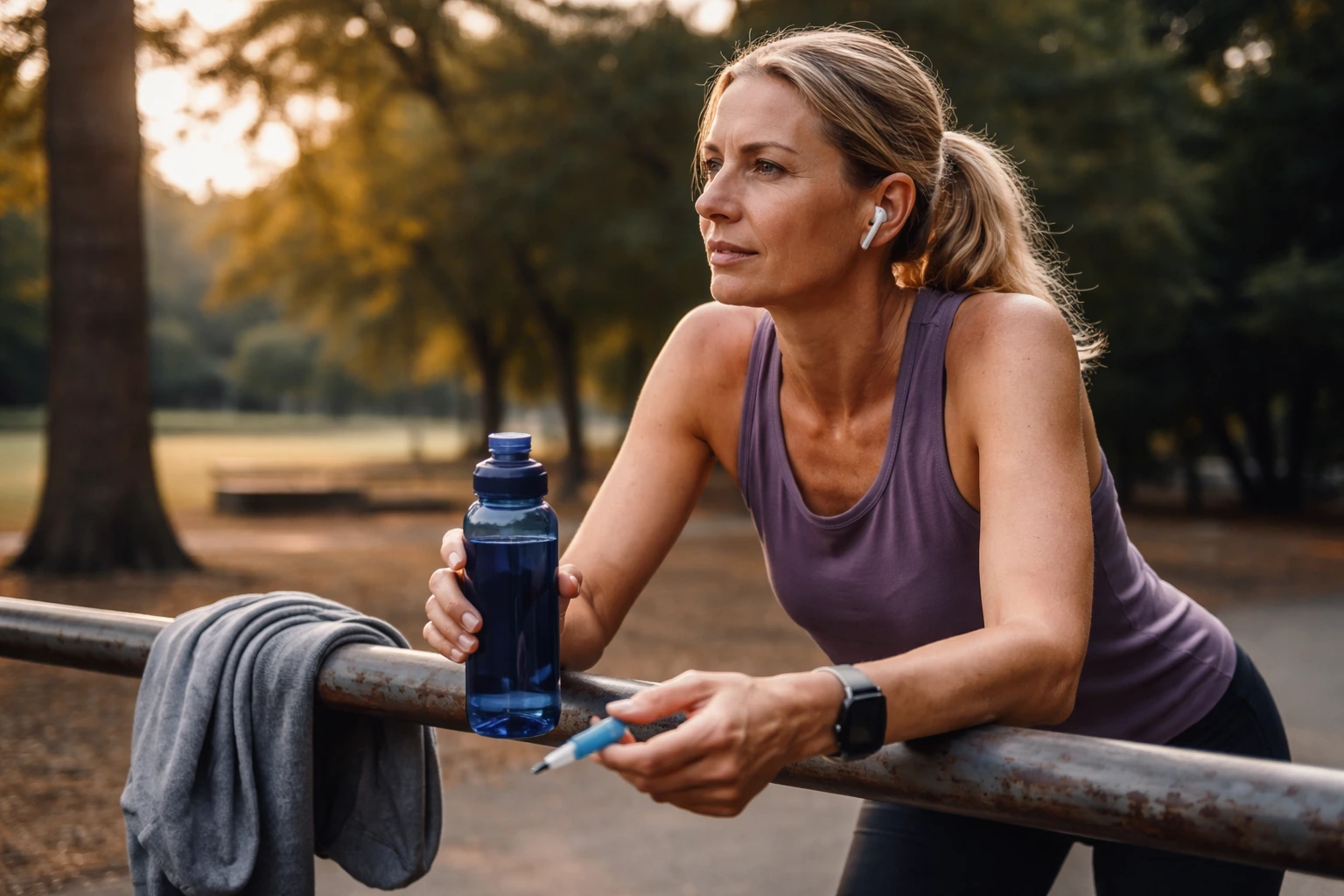
You’re ready to hit the gym, but your stomach has other plans, and you’re wondering if exercising on glp-1 medication means giving up on fitness altogether, when really it just means learning how to work with your body instead of against it.
How GLP-1 affects exercise
GLP-1 medications work by slowing digestion and regulating blood sugar, which sounds great for fitness until you’re halfway through a workout and nausea creeps in. The reality is that these medications can absolutely enhance your exercise results by stabilizing energy levels and supporting weight loss, but they also come with digestive side effects that demand respect. Picture this: you’ve been on GLP-1 for a few weeks, your energy feels better, and you’re motivated to exercise. Then you try a high-intensity class and feel lightheaded or queasy. This isn’t failure, it’s your body sending a signal. The key is understanding that GLP-1 changes how your body processes food and movement. Some women experience reduced appetite, which means you might need to eat strategically before workouts. Others deal with nausea or bloating that peaks at certain times of day. By tracking when these symptoms hit and adjusting your exercise timing accordingly, you gain control back. Staying hydrated becomes non-negotiable because GLP-1 can affect fluid balance. Many women find that drinking water consistently throughout the day, not just during workouts, prevents dizziness and cramping. The goal isn’t to push through discomfort, it’s to build an exercise routine that works with your medication, not against it.
- Maintain a consistent exercise schedule to work around any potential side effects.
- Stay hydrated before, during, and after your workout to help minimize digestive issues.
- Monitor your blood sugar levels closely while exercising to avoid any fluctuations.
Choosing the right workout
The biggest mistake women make on GLP-1 is trying to do what they did before the medication. Your body has changed, and that’s not a setback, it’s information. Low-impact exercises like walking, swimming, and cycling are ideal because they keep your heart rate elevated without jarring your digestive system. Imagine starting your week with three 30-minute walks instead of one intense spin class. You might cover the same distance, but your body processes it differently on GLP-1. Walking is underrated because it’s sustainable, meditative, and doesn’t trigger nausea for most women. Swimming is exceptional because the water supports your joints and the rhythmic movement is calming. Cycling, whether stationary or outdoor, gives you control over intensity. You can dial it back on days when your stomach feels sensitive. Strength training deserves equal attention because muscle mass directly impacts metabolism, and GLP-1 can cause muscle loss if you’re not intentional. Start with bodyweight exercises or light weights two to three times weekly. Resistance bands are your friend here, offering flexibility without the intimidation factor. The sweet spot for most women is mixing low-impact cardio with gentle strength work, adjusting intensity based on how you feel that day. Some days you’ll have energy for more, other days less, and both are completely normal.
📘 Fix your day in under 2 minuteschoose where to begin:
Managing nutrition
Nutrition on GLP-1 isn’t about eating less, it’s about eating smarter, especially around your workouts. Your appetite is naturally suppressed, which means every bite counts. Nutrient-dense foods like leafy greens, berries, salmon, chicken breast, and sweet potatoes should be your foundation. Here’s where many women stumble: they stop eating enough before workouts and then feel weak or dizzy during exercise. Your body still needs fuel, just in smaller, strategic portions. Eat a light snack 30 to 60 minutes before exercising, something like a banana with almond butter or Greek yogurt with berries. This prevents energy crashes without overwhelming your digestive system. High-fat and high-sugar meals are problematic because they can trigger nausea, bloating, or what’s called dumping syndrome, where food moves too quickly through your system. Imagine eating a greasy burger before a workout, then feeling intensely nauseous halfway through. That’s avoidable. Instead, focus on lean proteins, whole grains, and healthy fats in balanced amounts. Hydration pairs with nutrition here, too. Drinking water with electrolytes after workouts helps your body recover and prevents dehydration, which GLP-1 can accelerate. Many women find that meal prepping on Sundays, with an emphasis on grilled proteins and roasted vegetables, removes the guesswork and keeps them on track.
Listening to your body
Your body is constantly communicating, and GLP-1 makes those signals louder. Discomfort during exercise isn’t something to push through, it’s a message to pause and adjust. Some women experience mild nausea that resolves with slower movement or a break. Others feel sharp pain or dizziness that signals something needs to change immediately. The difference matters. Mild nausea during the first few weeks of GLP-1 is common and often improves as your body adapts. Severe nausea, chest pain, or shortness of breath warrant a call to your doctor. Keep a simple log: note the type of exercise, intensity, duration, how you felt before and after, and any symptoms. After two to three weeks, patterns emerge. Maybe you realize that morning workouts feel better than evening ones, or that you need to eat something light beforehand. This self-knowledge is powerful. Some women discover they feel best exercising on days when they’re not experiencing peak medication side effects. Others learn that gentle yoga on difficult days keeps them consistent without triggering symptoms. Your healthcare provider needs this information to help you optimize. If you’re experiencing persistent issues, share your log with them. They might adjust your medication timing, dosage, or recommend specific exercises. The goal is finding your personal sweet spot where fitness and medication coexist peacefully.
Staying consistent
Consistency beats perfection every single time, especially on GLP-1. You don’t need to exercise intensely every day to see results. You need to show up regularly, even if that means a 20-minute walk instead of a 60-minute class. Start with a realistic goal, like exercising three times weekly, and build from there. Many women find that scheduling workouts like appointments, at the same time each day, removes decision fatigue. Your body adapts to routine, and GLP-1 side effects often become more predictable when you exercise consistently. Tracking progress matters, but not just the scale. Notice how your clothes fit, your energy levels, your mood, and your strength. Can you do more push-ups than last month? Do you feel less winded climbing stairs? These victories are real and worth celebrating. Find a workout buddy or join a community, whether in-person or online, where other women on GLP-1 share their experiences. Knowing you’re not alone in struggling with nausea during cardio or feeling weak some days is incredibly reassuring. Set small milestones, like exercising consistently for four weeks, then celebrate with something meaningful, not food-related. A new workout outfit, a massage, or simply acknowledging how far you’ve come reinforces the habit. Remember that every single workout, no matter how short or low-intensity, is a win. You’re building a sustainable practice, not punishing yourself into fitness.
GLP-1 medication can enhance your fitness journey by regulating blood sugar levels and promoting weight loss. Choosing the right exercises, managing your nutrition, listening to your body, and staying consistent are essential for a successful workout routine on GLP-1 medication.
Can I engage in high-intensity workouts while on GLP-1 medication?
High-intensity workouts may be challenging while on GLP-1 medication due to potential gastrointestinal side effects. It’s advisable to start with low-impact exercises and gradually increase intensity based on your body’s response.
How can I stay motivated to exercise on GLP-1 medication?
Set realistic goals, find a workout buddy for accountability, track your progress, and reward yourself for meeting milestones. Remember that consistency is key, and each small step towards your fitness goals is a significant achievement.
Disclaimer: This article is for informational purposes only and is not a substitute for professional medical advice. Always consult a healthcare professional for personal guidance.
This guide has been prepared and reviewed by the GlobalHealthBeacon editorial team and reflects current medical research as of 2026. It provides structured, evidence-based information to support informed health decisions.
← Go to the exercising on glp-1 medication main guide
