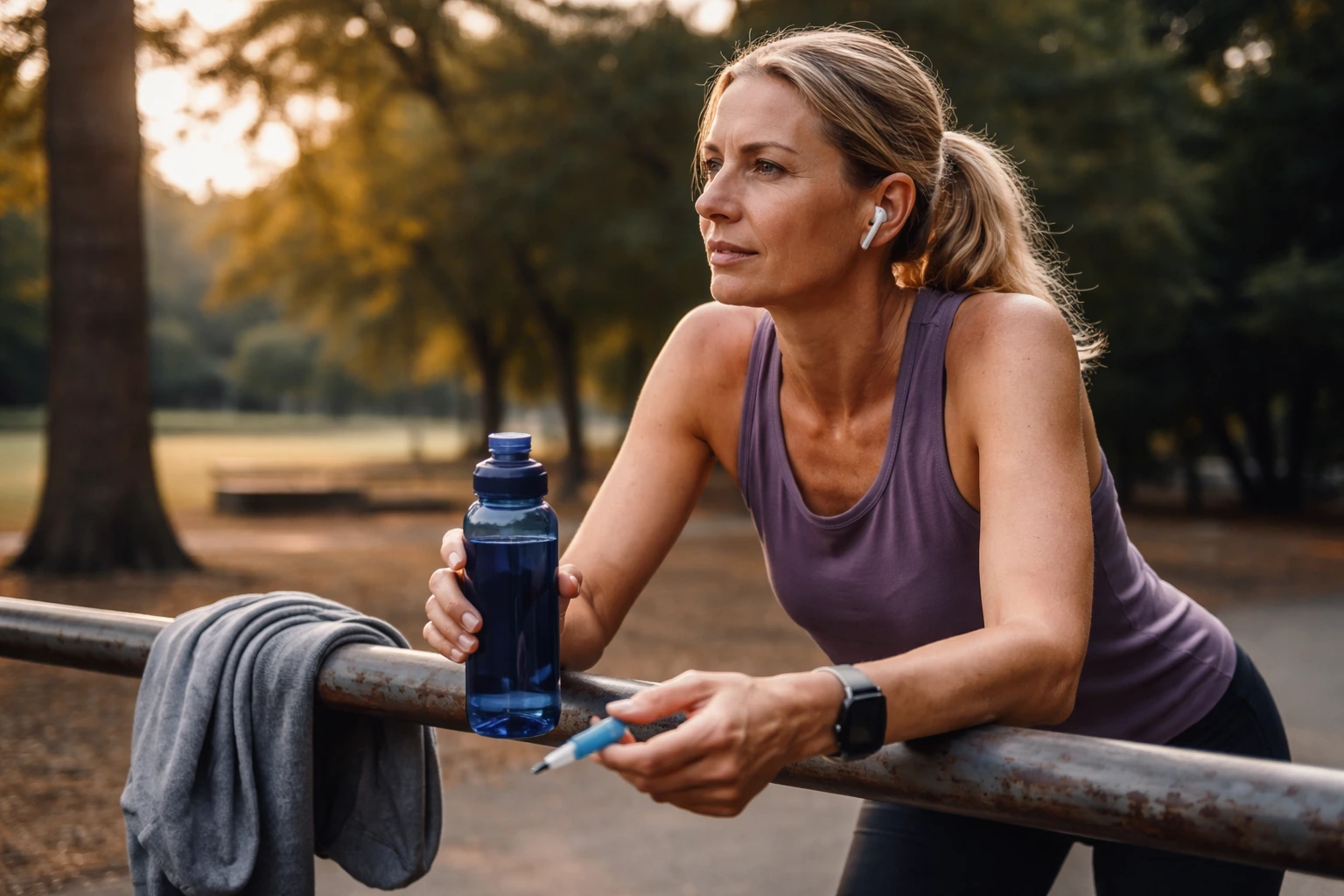
Your legs feel heavy halfway through a run, your energy crashes after twenty minutes, and you’re left wondering if this medication is sabotaging your fitness goals, but the truth about exercising on glp-1 medication is way more nuanced than that.
Challenges of exercising on GLP-1 medication
When you start exercising on GLP-1 medication, the reality hits different than what you might expect. Your body feels like it’s running on a different operating system. You might hit the gym with full intention, but halfway through your workout, that familiar heaviness sets in. Maybe it’s a 24-year-old named Marcus who used to crush his morning runs in 45 minutes, but now finds himself gassed after 25. Or consider Sarah, who loves lifting, but notices her muscles feel weaker and recovery takes longer. The fluctuating energy levels aren’t just in your head. Your appetite signals are muted, which means you might forget to fuel properly before workouts, leading to crashes mid-session. Blood sugar management becomes a puzzle you’re solving in real time. Some days you feel invincible, other days you’re questioning whether you should even be at the gym. The motivation struggle is real too, especially when progress feels slower than it used to.
- Managing blood sugar levels during workouts can be tricky and requires careful monitoring before, during, and after exercise.
- You might experience changes in appetite and weight fluctuations that make it harder to fuel your body properly for fitness.
- Finding the motivation to exercise consistently can be tough when energy levels feel unpredictable and recovery seems slower.
Tips for a successful fitness routine
Getting your fitness routine right while on GLP-1 medication isn’t about pushing harder, it’s about working smarter. Start with low-impact exercises like walking, swimming, or cycling before jumping back into intense strength training. Think of it like recalibrating your baseline. Check your blood glucose levels before workouts so you know what you’re working with, and keep a simple log for a week or two to spot patterns. Hydration becomes non-negotiable because GLP-1 can affect how your body regulates fluids. Drink water consistently throughout the day, not just during exercise. Consider eating a small snack 30 to 60 minutes before working out, even if your appetite feels suppressed, because your muscles still need fuel. Start with shorter, less intense sessions and gradually build up duration and intensity as your body adapts. Listen to what your body is telling you. If you’re exhausted, rest. If you feel good, push a little. This flexibility keeps you from burning out or getting injured. And here’s the thing nobody talks about: talk to your doctor or a sports nutritionist who understands GLP-1. They can give you personalized guidance that actually fits your situation.
💬 Ready to feel better in 2 minutes?choose where to begin:
Benefits of exercise with GLP-1 medication
Despite the challenges, exercise while on GLP-1 medication genuinely amplifies the benefits you’re already getting from the drug. Regular physical activity helps improve your insulin sensitivity, meaning your body uses insulin more effectively and your blood sugar stays more stable. Weight management becomes easier because exercise and GLP-1 work together synergistically, not against each other. Your mood gets a real boost too. That post-workout endorphin rush feels even more meaningful when you’ve pushed through the adjustment period. Energy levels, which feel chaotic at first, actually stabilize and improve with consistent movement. You’ll notice better sleep quality, improved digestion, and a sense of control over your health that goes beyond the scale. Young adults who stick with it often report feeling stronger mentally and physically within four to six weeks. The cardiovascular benefits are significant, and you’re building habits that will serve you for decades. Exercise also helps prevent muscle loss, which is important when you’re losing weight on GLP-1. You’re not just getting healthier, you’re building a stronger version of yourself.
Staying consistent and adapting
Consistency with exercising on GLP-1 medication doesn’t mean doing the same thing every day. It means showing up, even when it’s different than before. Some days you’ll do a full workout, other days a 20-minute walk is your win, and that’s completely okay. The key is building a habit that bends without breaking. Track what works for you. Notice if you feel better exercising in the morning versus evening, if certain foods help or hurt your performance, if you need more rest days than you used to. Celebrate the small victories because they add up. You ran an extra five minutes? That’s progress. You finished a strength session without feeling wrecked? That’s a win. Your body is adapting to a new medication while you’re asking it to perform, so patience becomes your superpower. Give yourself at least six to eight weeks before deciding if something is working. Many young adults find that their energy, strength, and endurance improve significantly once their body fully adjusts to GLP-1. Remember that progress isn’t always linear. Some weeks you’ll feel amazing, others you’ll feel stuck. Both are normal. The people who see real results are the ones who stay committed to the process, listen to their bodies, and adjust their expectations to match their current reality, not some outdated version of themselves.
Young adults facing the challenge of exercising on GLP-1 medication may encounter hurdles such as energy fluctuations and motivation struggles. By incorporating smart tips, understanding the benefits, and staying consistent, it’s possible to navigate these obstacles and enjoy the positive impact of physical activity on overall health and well-being.
How can I manage blood sugar levels during workouts on GLP-1 medication?
To manage blood sugar levels while exercising on GLP-1 medication, consider monitoring your levels before, during, and after workouts, adjusting your carbohydrate intake, and staying hydrated to prevent fluctuations.
What are the benefits of exercise for young adults on GLP-1 therapy?
Exercise can help young adults on GLP-1 therapy improve insulin sensitivity, manage weight, boost mood and energy levels, and enhance overall well-being, contributing to better health outcomes.
Others also read:
Disclaimer: This article is for informational purposes only and is not a substitute for professional medical advice. Always consult a healthcare professional for personal guidance.
This article presents an experience-based perspective and has been reviewed by the GlobalHealthBeacon editorial team in 2026. It provides structured, evidence-based information to support informed health decisions.
