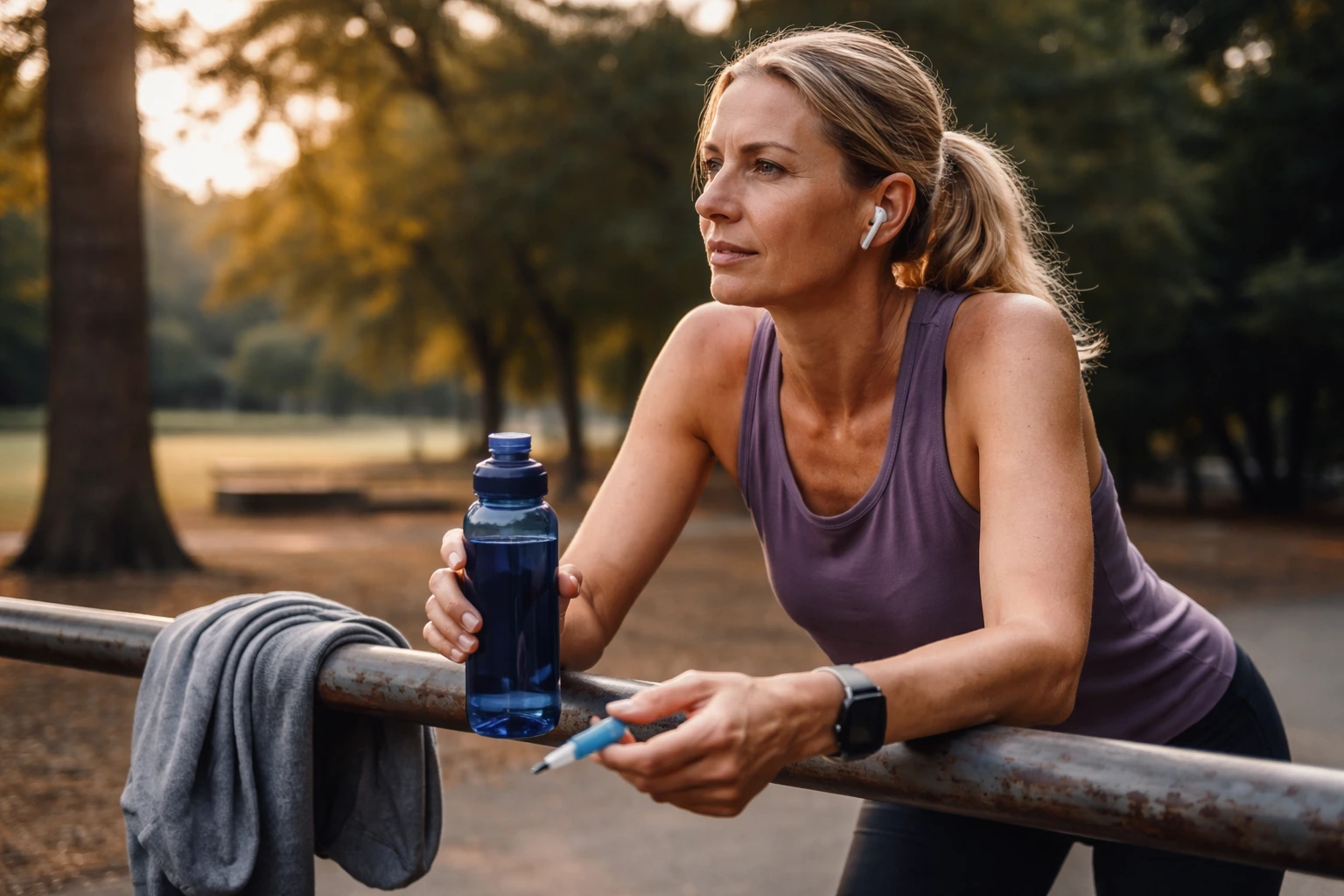
You’re taking GLP-1 medication, you want to stay fit, but you’re exhausted, nauseous, and terrified that one wrong move will tank your blood sugar or make you pass out mid-workout, so you need to know exactly how to exercise on GLP-1 medication without sabotaging everything.
Key benefits of exercising on GLP-1 medication
When you combine GLP-1 medication with consistent exercise, you unlock a powerful synergy that goes beyond what either approach alone can deliver. Regular movement helps your body respond more effectively to the medication, creating better insulin sensitivity and more stable blood sugar patterns throughout the day. Consider Sarah, a 42-year-old woman who started walking 30 minutes daily while on GLP-1 therapy. Within eight weeks, her fasting glucose dropped significantly, and her energy levels stabilized enough to add light strength training. Beyond blood sugar control, exercise amplifies the weight loss effects of GLP-1 by preserving lean muscle mass as you lose fat, which means the number on the scale reflects real body composition changes. The cardiovascular benefits compound too: regular movement strengthens your heart, improves circulation, and reduces inflammation markers that contribute to heart disease risk. Women often see additional benefits like improved mood, better sleep quality, and increased confidence as fitness routines establish themselves.
- Enhanced blood sugar control
- Facilitates weight loss
- Decreases heart disease risk
How to safely exercise on GLP-1 medication
Safety starts with understanding your body’s current state and building gradually from there. Begin with low-impact activities like walking, swimming, or gentle yoga for 20 to 30 minutes, three times weekly. This foundation allows your body to adapt to both the medication and increased activity without overwhelming your system. A practical example: if you experience nausea on your GLP-1 dose, schedule workouts for times when the medication’s side effects are typically milder, often a few hours after taking it. Always eat a small, balanced snack 30 to 60 minutes before exercise to prevent low blood sugar episodes, and carry fast-acting carbohydrates like glucose tablets or fruit juice during workouts. Stay hydrated consistently, as GLP-1 can mask thirst signals. Before increasing intensity or duration, consult your healthcare provider about adjusting your medication timing or dosage if needed. Monitor how your body responds for at least two weeks before making changes, and keep a simple log noting workout duration, intensity, how you felt, and any side effects.
📘 Fix your day in under 2 minuteschoose where to begin:
Nutritional tips for women on GLP-1 medication
Your nutrition strategy on GLP-1 needs to support both your medication’s effects and your exercise demands. Build each meal around lean proteins like chicken, fish, tofu, or Greek yogurt, paired with non-starchy vegetables and small portions of whole grains or healthy fats. Women often find that eating smaller, more frequent meals works better than three large ones, since GLP-1 reduces appetite and can trigger nausea with large volumes. A practical meal example: grilled salmon with roasted broccoli and a quarter cup of quinoa provides sustained energy without overwhelming your reduced appetite. Track your carbohydrate intake not to restrict it severely, but to understand how different foods affect your blood sugar and energy during workouts. Many women discover they need fewer carbs than before GLP-1 to maintain stable glucose, so experimentation matters more than following generic guidelines. Prioritize nutrient-dense foods since smaller portions mean every bite counts nutritionally. Timing matters too: eating protein and fat before workouts helps sustain energy, while post-workout meals should include protein to support muscle recovery.
Potential drawbacks of exercising on GLP-1 medication
Exercising while on GLP-1 can trigger or amplify side effects that need your attention and response. Nausea is common and may worsen with intense movement, especially on an empty stomach or too soon after medication injection. Some women experience diarrhea or constipation that affects hydration and electrolyte balance, making fatigue during workouts more likely. Low blood sugar episodes, though less common on GLP-1 since the medication helps regulate glucose, can still occur with increased activity, causing dizziness, shakiness, or confusion mid-workout. Dehydration happens more easily because GLP-1 can suppress thirst signals while exercise increases fluid loss. A real scenario: Jennifer felt dizzy during her third week of adding jogging to her routine and realized she was both dehydrated and had skipped her pre-workout snack. She adjusted by drinking water consistently throughout the day and eating a banana 45 minutes before exercise. Keep your healthcare provider informed about any discomfort, unusual fatigue, or side effects that worsen with activity, as medication timing or dosage adjustments may help.
The importance of monitoring progress
Tracking your journey on GLP-1 medication plus exercise reveals patterns that guide your next steps and keep you accountable. Record your workouts in a simple format: date, activity type, duration, intensity level, and how you felt before, during, and after. Check your blood sugar levels at consistent times, ideally before and after workouts initially, to understand how your body responds to different exercise types. Weight is just one metric, so also track measurements, how your clothes fit, energy levels, and workout performance like how long you can walk or how many repetitions you complete. Many women notice non-scale victories first: better sleep, clearer skin, improved mood, or increased strength. A practical example: Maria noticed her fasting blood sugar dropped from 145 to 118 mg/dL over six weeks, but her weight loss plateaued temporarily while her muscle definition improved, showing that her body was recomposing. Review your logs monthly with your healthcare provider to spot trends, celebrate progress, and adjust your plan if needed. This data-driven approach removes guesswork and builds confidence in your regimen.
Exercising on GLP-1 medication can bring significant benefits like improved blood sugar control, weight loss, and reduced heart disease risk. However, it’s crucial to exercise safely, maintain a balanced diet, be aware of potential side effects, and monitor progress diligently.
Can I engage in high-intensity workouts while on GLP-1 medication?
It’s advisable to start with low to moderate exercise intensity and gradually increase as tolerated. Consult your healthcare provider before incorporating high-intensity workouts.
What dietary precautions should women on GLP-1 medication follow?
Maintain a diet rich in fruits, vegetables, lean proteins, and whole grains. Monitor carbohydrate intake to manage blood sugar levels effectively.
Others also read:
Disclaimer: This article is for informational purposes only and is not a substitute for professional medical advice. Always consult a healthcare professional for personal guidance.
This guide has been prepared and reviewed by the GlobalHealthBeacon editorial team and reflects current medical research as of 2026. It provides structured, evidence-based information to support informed health decisions.
