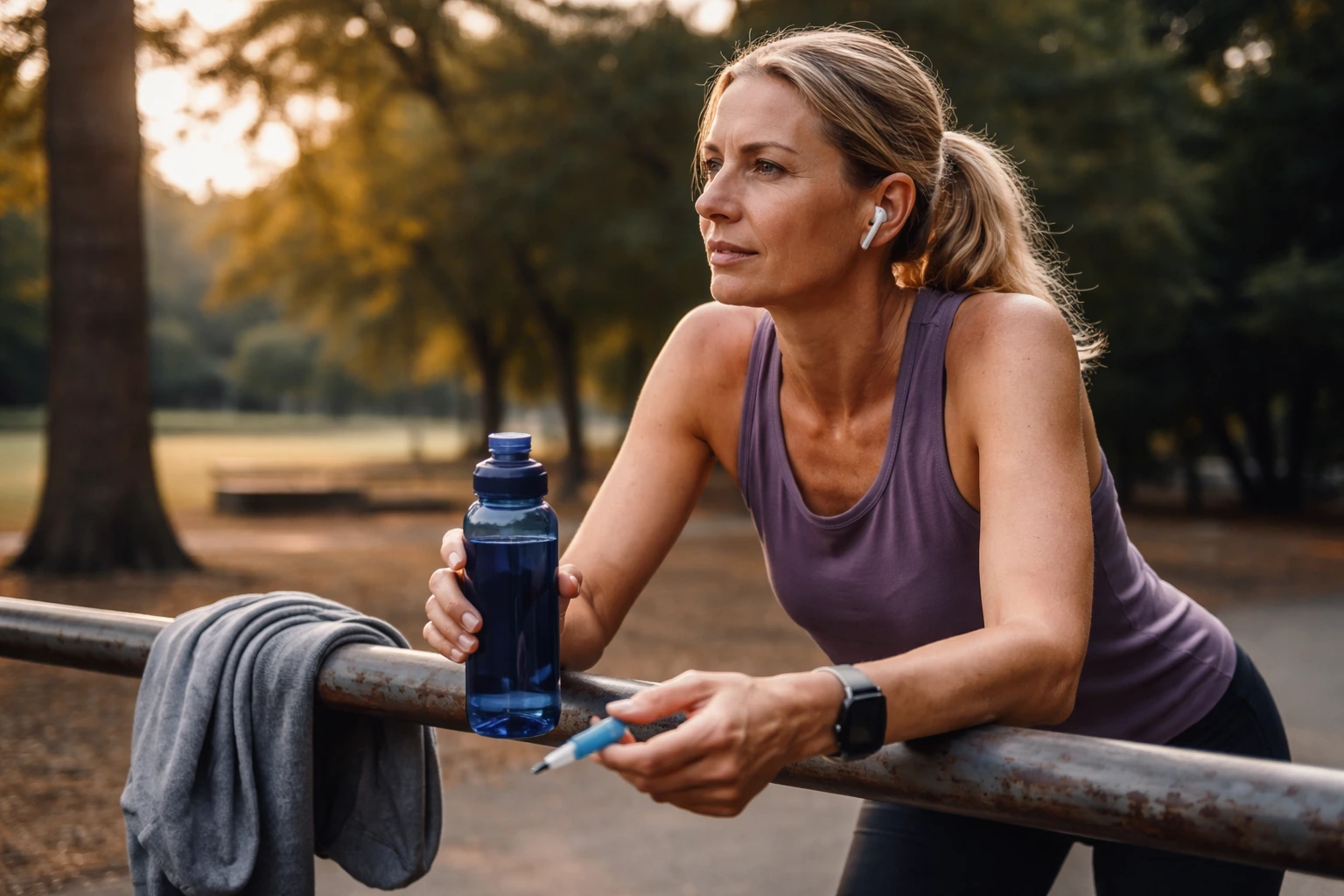
You’re on GLP-1 medication and suddenly your old workout routine feels completely wrong, leaving you exhausted, nauseous, or wondering if exercising on glp-1 medication is even safe anymore, but the truth is you just need to train smarter, not harder.
Choosing the right workouts
When you start exercising on GLP-1 medication, your body’s energy demands shift dramatically. Low-impact activities like brisk walking, cycling, or swimming become your foundation because they work with your body rather than against it. Picture this: a 28-year-old on GLP-1 who used to crush CrossFit classes now finds that moderate-intensity steady-state cardio actually delivers better results and feels sustainable. Strength training matters too, but approach it differently. Instead of heavy compound lifts that drain your energy reserves, focus on controlled resistance work that builds muscle without overwhelming your system. High-intensity interval training can work, but only after your body adapts. Start with shorter bursts, longer recovery periods, and monitor how you feel. Flexibility work like yoga or dynamic stretching prevents the muscle tightness and joint stiffness that can creep up when your appetite is suppressed and your recovery nutrition isn’t optimized. The key mistake young adults make is assuming their pre-GLP-1 workout intensity should continue unchanged. It won’t, and that’s not failure, it’s adaptation.
- Incorporate strength training to build muscle and increase your metabolism.
- Try high-intensity interval training (HIIT) for efficient calorie burning in a short time.
- Include flexibility exercises like yoga to improve mobility and reduce the risk of injuries.
Setting realistic goals
Your fitness targets need to align with how GLP-1 actually works in your body, not with what you accomplished before medication. A common scenario: you set a goal to lose 30 pounds in three months while training five days a week, but GLP-1 is already driving significant weight loss, and overtraining creates unnecessary stress. Instead, reframe your goals around performance, consistency, and how you feel. Maybe your target is completing three workouts per week without fatigue, or adding five pounds to your bench press over eight weeks, or simply maintaining muscle while the medication handles fat loss. Track your progress weekly, but expect the metrics to look different. You might notice strength gains plateau while endurance improves, or your body composition changes faster than the scale reflects. Adjust your targets monthly based on real data, not assumptions. Young adults often underestimate how much GLP-1 changes the equation. Your body is working harder at the cellular level to process the medication, so recovery and nutrition matter more than training volume. Set goals that celebrate consistency and adaptation, not just numbers.
📘 Fix your day in under 2 minuteschoose where to begin:
Listening to your body
Your body sends signals constantly while on GLP-1, and learning to read them separates sustainable fitness from burnout. Nausea during or after workouts? That’s your signal to reduce intensity or duration. Persistent fatigue even after rest days? You might be training too hard or not eating enough to support your activity level. A 25-year-old on GLP-1 might notice that morning workouts feel impossible because appetite suppression means inadequate pre-workout fuel, but evening sessions after eating feel manageable. That’s valuable information. Pay attention to how your joints feel, your energy levels throughout the day, and your mood. GLP-1 can affect your nervous system, so what felt like a normal workout intensity before might now feel overwhelming. This isn’t weakness, it’s your body communicating its current capacity. The common mistake is pushing through signals because you’re used to the no-pain-no-gain mentality. On GLP-1, that approach backfires quickly. Instead, treat every workout as an experiment. Try a session at 70% effort and notice how you recover. Next week, try 80%. Build your intensity gradually based on actual feedback, not ego or comparison to others.
Maintaining consistency
Consistency beats intensity every single time, especially when you’re on GLP-1 medication. Three moderate workouts per week that you actually complete matters infinitely more than planning five intense sessions and skipping two because you’re exhausted. The real challenge for young adults isn’t motivation, it’s building a routine that fits your actual life while on medication. Start by identifying activities you genuinely enjoy, not what you think you should do. If you hate running, don’t run. If you love swimming, prioritize it. A 26-year-old who commits to 30 minutes of cycling three times weekly will see better results than someone who plans intense training but only manages one session per week due to inconsistency. Schedule workouts like appointments, preferably at the same time each day. Your body adapts to rhythm, and GLP-1 works better when your routine is predictable. Build in flexibility though, because some days you’ll feel stronger than others. If you’re scheduled for a workout but feel genuinely depleted, do a lighter version instead of skipping entirely. This keeps the habit alive without forcing yourself into injury or burnout. Track your consistency, not just performance. Celebrate showing up, even on hard days. That’s the foundation that transforms your fitness.
Seeking professional guidance
Before starting any new exercise program while on GLP-1 medication, consult with your prescribing doctor and ideally a fitness professional who understands GLP-1 physiology. Your healthcare provider needs to know your training plans because they can monitor how the medication and exercise interact with your specific health profile. A fitness coach or personal trainer experienced with GLP-1 clients can design workouts that account for reduced appetite, altered energy metabolism, and potential side effects. They’ll help you avoid the trap of training like you did before medication, which is where most young adults stumble. Consider getting a baseline fitness assessment so you have objective data about your current capacity. This removes guesswork and gives you concrete numbers to track progress against. If you experience unusual symptoms like severe dizziness, chest discomfort, or persistent nausea during workouts, stop immediately and contact your doctor. GLP-1 affects your cardiovascular system, so professional oversight isn’t overcautious, it’s essential. Many young adults skip this step because they feel healthy and capable, but professional guidance accelerates results and prevents costly mistakes. Think of it as an investment in doing this right from day one.
Exercising on GLP-1 medication requires choosing low-impact workouts that match your current capacity, setting realistic goals tied to how your body actually responds, listening to signals your body sends, maintaining a consistent routine you can sustain, and consulting healthcare professionals before starting new training. Success comes from adapting to your medication, not fighting against it.
Can I engage in intense workouts while on GLP-1 medication?
Intense workouts like HIIT can be suitable for individuals on GLP-1 medication, but it’s essential to monitor your body’s response and consult with a healthcare provider for personalized advice.
Are there specific exercises to avoid when on GLP-1 medication?
While on GLP-1 medication, it’s advisable to avoid high-impact activities that may strain your body. Opt for gentle yet effective exercises like walking, swimming, or yoga.
Others also read:
Disclaimer: This article is for informational purposes only and is not a substitute for professional medical advice. Always consult a healthcare professional for personal guidance.
This guide has been prepared and reviewed by the GlobalHealthBeacon editorial team and reflects current medical research as of 2026. It provides structured, evidence-based information to support informed health decisions.
