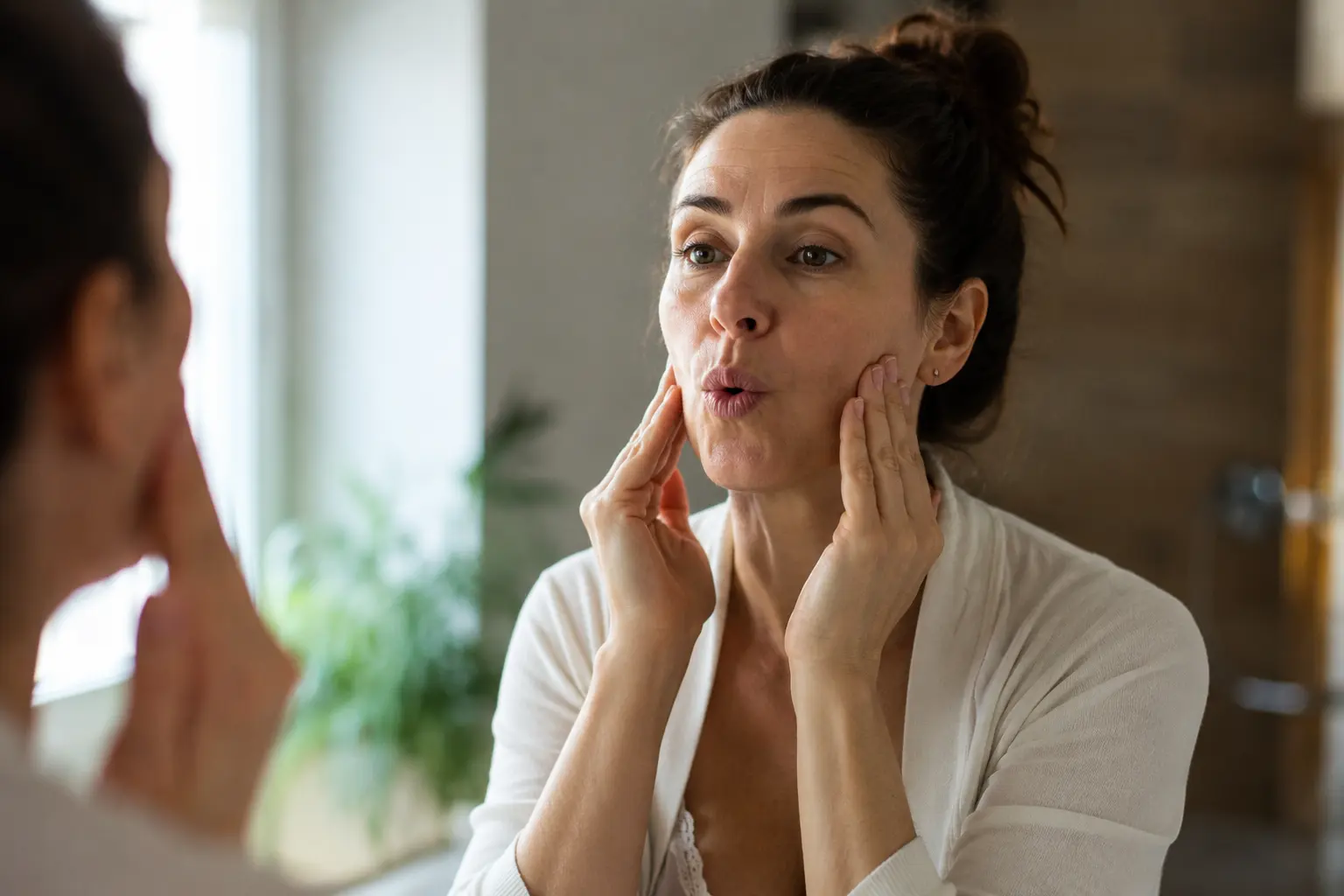
You’re scrolling through social media at 2 AM, watching someone do weird facial contortions and swearing it erased their wrinkles, and you’re thinking: could face yoga wrinkle prevention actually work, or is this just another beauty myth designed to make you feel bad about aging?
Understanding face yoga
Face yoga has exploded in popularity over the past few years, especially among young adults curious about natural anti-aging methods. The practice involves performing targeted facial exercises designed to engage and strengthen the muscles beneath your skin. Think of it like traditional strength training, but for your face. Proponents argue that by repeatedly contracting these muscles through specific movements and holds, you can improve muscle tone, enhance blood flow to the skin, and potentially reduce the appearance of fine lines. The appeal is obvious: no needles, no expensive treatments, just your own body and a few minutes of daily practice. However, the scientific community remains cautiously skeptical. While the concept sounds logical on the surface, the actual evidence supporting these claims is surprisingly thin. The facial muscles are small and delicate compared to larger body muscles, which raises legitimate questions about whether they respond to exercise in the same way. Additionally, many of the claims made by face yoga influencers lack rigorous scientific backing, which is why understanding the actual research becomes crucial before investing time and energy into this practice.
Mechanisms of action
When face yoga advocates explain how the practice works, they typically point to three main mechanisms. First, they claim improved circulation brings more oxygen and nutrients to facial skin cells, theoretically promoting a healthier, more youthful appearance. Second, they suggest that muscle contractions stimulate fibroblasts, the cells responsible for producing collagen and elastin, the proteins that keep skin firm and elastic. Third, they argue that strengthened facial muscles create a lifting effect that counteracts sagging skin. On paper, these mechanisms make sense. Your body does respond to muscle stimulation by increasing blood flow and potentially triggering cellular repair processes. However, the critical gap lies in whether facial muscles respond to exercise the same way larger body muscles do, and whether any changes would be significant enough to visibly reduce wrinkles. The skin’s aging process involves multiple factors including genetics, sun exposure, hydration levels, and hormonal changes. Targeting just the muscles beneath the skin addresses only one small piece of this complex puzzle. Most dermatologists acknowledge that while improved circulation could theoretically benefit skin health, the evidence that face yoga specifically triggers meaningful collagen production or muscle strengthening remains largely anecdotal rather than scientifically validated.
Studies and findings
The research landscape on face yoga is still developing, with most studies being small-scale and preliminary. A notable 2018 study published in JAMA Dermatology examined facial exercise and found that participants who performed 30 minutes of facial exercises daily for 20 weeks showed modest improvements in cheek fullness, suggesting some muscle engagement did occur. However, this study had limitations: it involved only 16 women, lacked a control group, and didn’t measure wrinkle reduction specifically. Other emerging research suggests that consistent facial exercise might improve skin elasticity and reduce fine lines, but these findings come with significant caveats. Most studies lack long-term follow-up data, making it impossible to know if benefits persist or fade over time. Additionally, many studies don’t account for confounding variables like improved skincare routines, lifestyle changes, or the placebo effect, which can be surprisingly powerful when people believe they’re doing something beneficial. The bottom line is that while face yoga isn’t harmful and might offer minor benefits, claiming it as a wrinkle-prevention solution equivalent to proven treatments like retinoids or sunscreen would be premature. The research simply hasn’t caught up to the hype yet, and larger, more rigorous trials are essential before making definitive claims about its effectiveness.
- Consult a dermatologist before starting a face yoga routine to ensure it’s appropriate for your skin type and any existing conditions.
- Practice proper skincare in conjunction with face yoga exercises, including daily sunscreen use and a consistent cleansing routine.
- Monitor your skin’s response to the exercises for any adverse reactions such as redness, irritation, or increased sensitivity.
🔬 Science-backed benefits in 2 minuteschoose where to begin:
Potential risks and considerations
While face yoga is generally considered a low-risk activity, it’s not completely without potential downsides. Performing facial exercises incorrectly or too aggressively can lead to muscle strain, tension headaches, or even temporary facial soreness. Some people report skin irritation or increased redness, particularly if they have sensitive skin or existing conditions like rosacea or eczema. There’s also the risk of developing repetitive strain patterns if you’re doing the same movements incorrectly day after day. Additionally, certain face yoga techniques that involve aggressive pulling or stretching could potentially worsen existing skin conditions or cause micro-tears in delicate facial skin. Young adults with acne-prone skin should be especially cautious, as increased friction or pressure on the face might trigger breakouts. The key to minimizing risk is learning proper technique, either through qualified instructors or reputable sources, and listening to your body. If you experience pain, persistent irritation, or any concerning changes, stop immediately and consult a dermatologist. It’s also worth noting that face yoga shouldn’t replace evidence-based skincare practices like sun protection and moisturizing, which have decades of scientific support behind them.
Future directions
As the wellness industry continues to boom and consumers increasingly seek natural alternatives to invasive procedures, face yoga will likely attract more scientific attention. Research institutions are beginning to design larger, more rigorous studies to evaluate its actual effectiveness compared to control groups and other anti-aging interventions. Future research will hopefully clarify whether benefits are real or primarily placebo, how long results last, and which specific exercises, if any, produce measurable outcomes. There’s also growing interest in combining traditional practices with modern technology, such as using imaging analysis to track subtle changes in skin texture or muscle tone over time. Additionally, researchers are investigating whether face yoga might have benefits beyond wrinkle reduction, such as improving facial symmetry, reducing tension-related headaches, or enhancing overall circulation. As this evidence base grows, the beauty and wellness industry will be better equipped to offer consumers honest, science-backed guidance rather than marketing hype. For now, face yoga occupies an interesting middle ground: it’s not proven ineffective, but it’s also not proven effective enough to recommend as a primary anti-aging strategy. The next five to ten years of research will likely determine whether it deserves a legitimate place in evidence-based skincare routines.
Conclusion
Face yoga represents an intriguing intersection between traditional wellness practices and modern anti-aging concerns, but the scientific evidence supporting it remains limited and preliminary. While the practice is generally safe and some small studies suggest modest benefits for skin elasticity and fine lines, these findings are far from conclusive. The reality is that aging skin is influenced by numerous factors including genetics, sun exposure, hydration, sleep quality, stress levels, and overall health, not just facial muscle tone. Face yoga might offer minor benefits as part of a comprehensive skincare routine, but positioning it as a wrinkle-prevention solution comparable to proven treatments like retinoids, vitamin C serums, or consistent sunscreen use would be misleading. The most honest takeaway for young adults considering face yoga is this: if you enjoy the practice and it doesn’t cause you discomfort or distract you from evidence-based skincare habits, there’s likely no harm in trying it. However, approach it with realistic expectations and understand that current scientific data doesn’t support dramatic anti-aging results. Continue prioritizing sun protection, maintaining a healthy lifestyle, and using skincare products with established benefits. As research evolves, our understanding of face yoga’s true potential will become clearer.
Limited scientific evidence currently supports face yoga as an effective wrinkle-prevention method, though some small studies suggest modest improvements in skin elasticity. Young adults considering this practice should approach it with realistic expectations, maintain evidence-based skincare habits, and consult professionals before starting. Further rigorous research is needed to validate claims and establish clear safety guidelines.
Is face yoga effective for preventing wrinkles?
Current research is inconclusive. While some small studies suggest face yoga may improve skin elasticity and reduce fine lines, the evidence is limited and preliminary. Most dermatologists recommend prioritizing proven anti-aging strategies like sunscreen, retinoids, and healthy lifestyle habits alongside face yoga if you choose to practice it.
Are there any risks associated with face yoga?
Although generally safe, improper technique can lead to muscle strain, tension headaches, or skin irritation. People with sensitive skin conditions like rosacea should be cautious. Learning correct form from qualified instructors and listening to your body helps minimize risk. Stop if you experience pain or persistent irritation and consult a dermatologist.
Others also read:
Disclaimer: This article is for informational purposes only and is not a substitute for professional medical advice. Always consult a healthcare professional for personal guidance.
This article has been prepared and reviewed by the GlobalHealthBeacon editorial team and is based on current medical research and published scientific literature available in 2026. It provides structured, evidence-based information to support informed health decisions.
