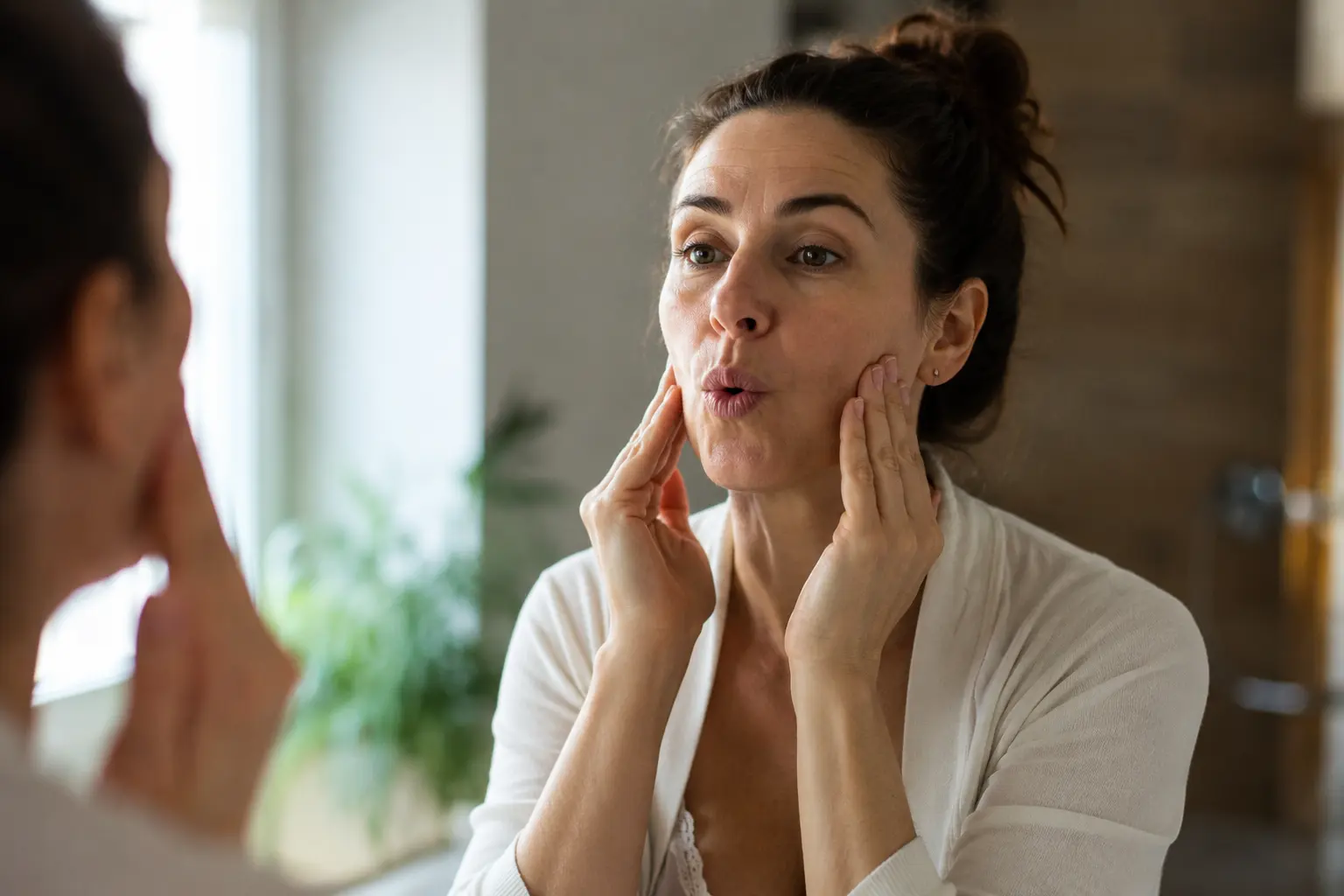
You catch your reflection mid-conversation and notice those fine lines creeping across your forehead, and suddenly you’re wondering if you’re aging faster than your friends, but what if face yoga wrinkle prevention could actually be the simple, judgment-free solution that finally works without needles, creams, or breaking the bank?
What is face yoga?
Face yoga involves targeted facial exercises designed to tone, lift, and rejuvenate the muscles beneath your skin, promoting a naturally youthful appearance without invasive procedures. Think of it like strength training for your face. By consistently practicing specific movements that target problem areas like your forehead, the delicate skin around your eyes, and your jawline, face yoga aims to reduce visible signs of aging through muscle engagement and improved blood flow. It sounds simple because it is, but the science behind it is solid. When you exercise these muscles regularly, they become stronger and more defined, which naturally lifts and firms the overlying skin. Many young adults discover face yoga almost by accident, searching for alternatives to expensive treatments, and then find themselves genuinely surprised by the subtle but visible changes in their skin texture and facial definition after just a few weeks of consistent practice.
- Improves circulation to the face for a healthy glow
- Strengthens facial muscles for a firmer, more lifted look
- Encourages relaxation and reduces stress, benefiting overall skin health
How to get started
Starting your face yoga journey requires finding a trusted instructor or high-quality online tutorial that breaks down each exercise clearly, because doing these movements incorrectly can actually work against you. Aim to practice for at least 10 to 15 minutes daily, ideally at the same time each day so it becomes as automatic as brushing your teeth. Many beginners make the mistake of expecting overnight results or practicing sporadically and then giving up when they don’t see immediate changes. The reality is that your facial muscles need consistent stimulation to respond, much like any other muscle in your body. Start with foundational exercises like the eyebrow lift, cheek sculptor, or forehead smoother, and master these before moving to more advanced techniques. Keep a simple log or take monthly photos from the same angle and lighting to track subtle changes you might otherwise miss. Patience really is crucial here, but most people who stick with it for at least 4 to 8 weeks start noticing genuine improvements in skin firmness and a more sculpted appearance.
💬 Ready to feel better in 2 minutes?choose where to begin:
Real before and after stories
Real young adults are seeing real results with face yoga, and their stories reveal a pattern that goes beyond just vanity. Sarah, a 28-year-old marketing professional, started practicing face yoga after noticing stress-induced tension lines across her forehead. Within six weeks of daily 15-minute sessions, she reported that her forehead felt noticeably smoother and her friends commented that she looked more rested. Then there’s Marcus, who struggled with undefined cheekbones and a slightly sagging jawline in his mid-twenties. After three months of consistent cheek and jaw-focused exercises, his face appeared more sculpted and angular, giving him the definition he’d been seeking without any cosmetic procedures. What’s striking about these testimonials isn’t just the physical changes but the confidence boost that comes with them. People report feeling more connected to their bodies, less anxious about aging, and genuinely surprised by how a practice they can do at home rivals expensive treatments. The improvements include smoother skin texture, lifted cheekbones, reduced fine lines, and a natural radiance that comes from increased blood flow and muscle tone.
Maintaining results
Once you start seeing results from face yoga, the temptation to ease up is real, but consistency is what separates lasting transformation from temporary improvement. Maintaining your benefits requires treating face yoga as a non-negotiable part of your routine, like brushing your teeth, rather than something you do when you remember. Pair your practice with a solid skincare routine that includes a gentle cleanser, hydrating moisturizer, and daily SPF, because sun damage accelerates aging faster than almost anything else. Stay genuinely hydrated throughout the day, not just with water but with foods rich in antioxidants like berries, leafy greens, and fatty fish that support skin health from within. Avoid habits that age your skin prematurely, such as smoking, excessive alcohol consumption, and poor sleep, because these directly counteract the benefits you’re building through face yoga. Many people find that combining face yoga with other wellness practices like meditation, regular exercise, and stress management creates a synergistic effect that amplifies results. Think of it as a complete lifestyle approach rather than a standalone fix. The young adults who maintain their results longest are those who view face yoga as part of a bigger commitment to their overall health and appearance.
Face yoga offers a natural, non-invasive approach to wrinkle prevention by toning facial muscles and promoting circulation. Real before and after stories demonstrate the visible improvements in skin texture and firmness. With dedication and a holistic approach to skincare, achieving a youthful glow is within reach for young adults.
Can face yoga really reduce wrinkles?
While results may vary, consistent practice of face yoga exercises can help improve muscle tone and circulation, leading to reduced appearance of wrinkles over time.
Is face yoga suitable for all ages?
Yes, face yoga is safe for most individuals of all ages and can be tailored to target specific areas of concern. Consult with a qualified instructor to customize your practice for optimal results.
Others also read:
Disclaimer: This article is for informational purposes only and is not a substitute for professional medical advice. Always consult a healthcare professional for personal guidance.
This article presents an experience-based perspective and has been reviewed by the GlobalHealthBeacon editorial team in 2026. It provides structured, evidence-based information to support informed health decisions.
