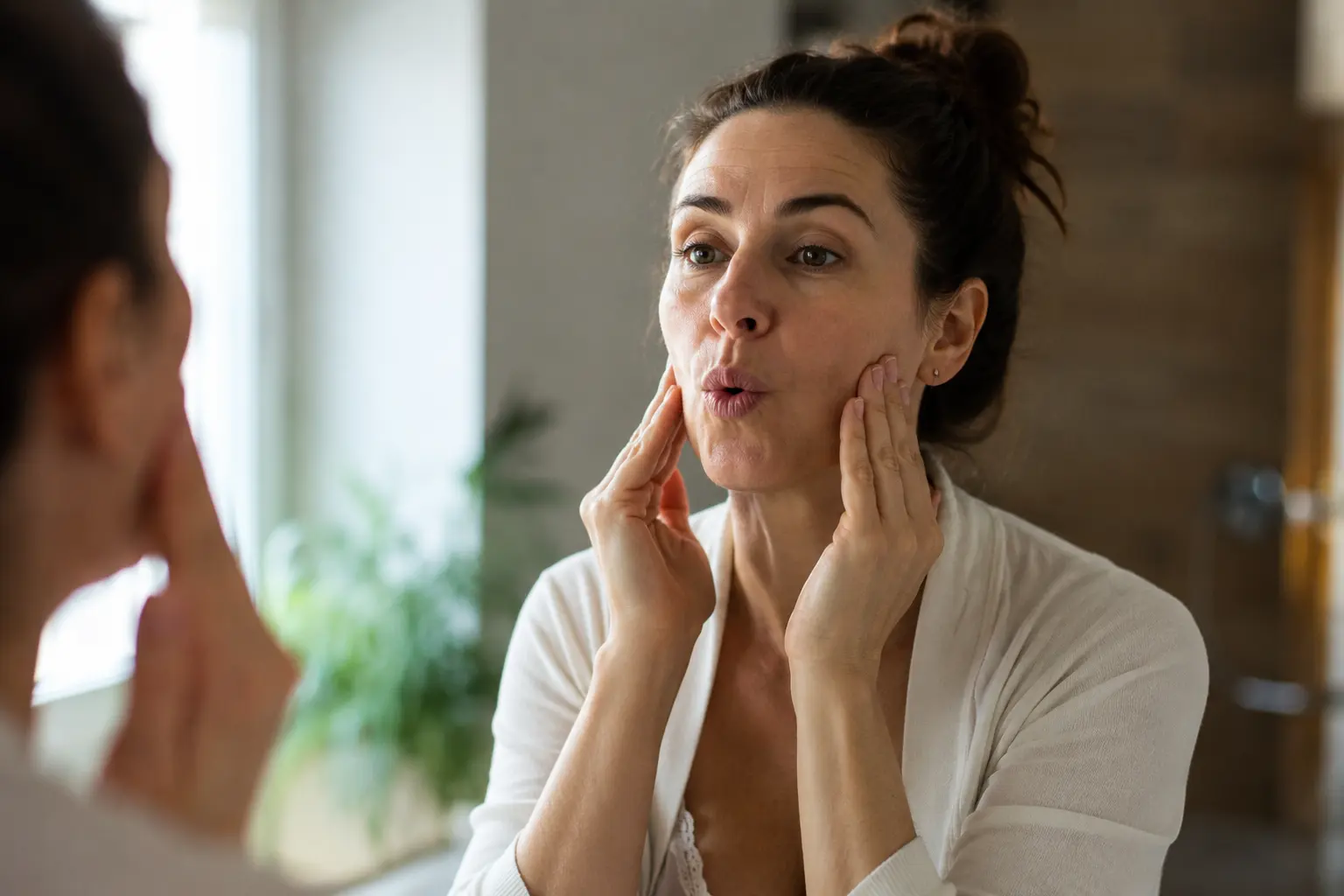
You catch your reflection and those lines around your eyes seem deeper than last month, fine lines are creeping across your forehead, and you’re wondering if there’s anything that actually works without needles or surgery, so let’s talk about face yoga wrinkle prevention because it might be the natural solution you’ve been searching for.
Understanding face yoga: what is it all about?
Face yoga is a series of targeted facial exercises designed to engage and tone the muscles beneath your skin, much like how traditional exercise tones your body. Think of your face as having over 40 muscles that can weaken and lose elasticity over time, contributing to sagging skin and visible wrinkles. When you perform face yoga regularly, you’re essentially giving these muscles a workout, improving their strength and definition. This increased muscle tone can help lift the skin, reduce the appearance of fine lines, and restore a more youthful contour to your face. The practice combines specific movements, holds, and pressure techniques that target problem areas like the forehead, around the eyes, cheeks, and jawline. Unlike invasive procedures, face yoga works gradually and naturally, allowing your skin to respond to improved circulation and muscle engagement over weeks and months of consistent practice.
- Facial exercises target specific areas prone to sagging and wrinkling by engaging dormant muscles.
- Improves blood circulation, promoting a healthier skin tone and natural glow.
- May help relax facial muscles, reducing tension and stress-related lines that accumulate over time.
Getting started with face yoga: simple techniques you can try
Starting your face yoga practice doesn’t require any special equipment or expensive tools. Begin with the Forehead Smoother, where you place your fingers horizontally across your forehead and gently push upward while resisting with your forehead muscles, holding for five seconds and repeating ten times. This targets horizontal lines that develop from years of frowning and raising your eyebrows. Next, try the Crow’s Feet Tightener by placing your fingers at the outer corners of your eyes and gently pulling the skin toward your temples while squinting your eyes, holding for three seconds and repeating. You can also practice the Cheek Lifter by smiling widely, placing your fingers on your cheekbones, and lifting them upward while resisting with your cheek muscles. These foundational exercises take just five to ten minutes and can be done while sitting at your desk, watching television, or during your morning skincare routine. The key is performing them with intention and proper form rather than rushing through the movements.
📘 Fix your day in under 2 minuteschoose where to begin:
Consistency is key: establishing a routine for optimal results
The real magic of face yoga happens when you commit to a regular schedule, ideally performing exercises five to seven days per week for lasting results. Think of it like building muscle at the gym; one workout won’t transform your body, but consistent effort over weeks and months absolutely will. Many women find success by dedicating just ten minutes each morning after cleansing their face or each evening before bed. You might set a phone reminder to help you remember, or pair face yoga with an existing habit like brushing your teeth or having your morning coffee. Some practitioners create a simple routine with three to four favorite exercises and rotate in new ones monthly to keep muscles engaged and prevent adaptation. Tracking your practice on a calendar or in a notes app can boost motivation and help you see patterns in your commitment. After about four to six weeks of consistent practice, most women begin noticing subtle improvements in skin firmness and muscle tone, which reinforces the habit and makes continuing feel worthwhile.
Monitoring progress: what to look out for
As you continue your face yoga practice, pay attention to specific changes in how your skin looks and feels. Early signs of progress include improved skin texture that feels smoother and more supple, a brighter complexion from increased blood flow, and subtle lifting around the cheekbones and jawline. Take photos of your face from the same angle and lighting every two weeks to document changes that might be too gradual to notice day-to-day. Notice whether fine lines around your eyes appear less pronounced, if your forehead feels less tense, or if your jawline appears more defined. Some women report that their skin feels more hydrated and plump, while others see improvements in skin tone evenness. Keep a simple journal noting which exercises feel most effective for your problem areas and which ones you enjoy doing most, since you’re more likely to stick with exercises that feel good. If certain areas aren’t improving after eight weeks, you might adjust your technique, increase repetitions, or focus on different exercises targeting those specific zones.
Embracing the results: celebrating your natural beauty
The results of face yoga are rarely dramatic overnight transformations, but rather a gradual refinement that many women describe as looking like a fresher, more rested version of themselves. You might notice that people comment you look well-rested or ask if you’ve changed your skincare routine, even though the changes are subtle. The beauty of this approach is that it works with your natural aging process rather than against it, creating improvements that look like you at your best rather than a different person. Some women find that the practice becomes meditative and calming, reducing stress-related tension in their face and jaw, which itself can minimize stress-related wrinkles. Over three to six months of consistent practice, many practitioners report noticeably firmer skin, reduced fine lines, improved facial contours, and a natural radiance that comes from better circulation and muscle tone. The journey with face yoga is deeply personal; your results depend on your age, genetics, skin type, and how consistently you practice. Rather than chasing perfection, the goal is appreciating the gradual improvements and feeling confident in your natural, aging face.
Face yoga offers a natural, non-invasive approach to wrinkle prevention through targeted facial exercises that tone and strengthen the muscles beneath your skin. By dedicating just ten minutes daily to simple techniques like the Forehead Smoother and Crow’s Feet Tightener, you can gradually improve skin firmness, reduce fine lines, and enhance your natural facial contours. Consistency is essential, with most women noticing visible improvements after four to six weeks of regular practice. Track your progress through photos and journaling to stay motivated and identify which exercises work best for your unique needs. While results vary individually and develop gradually, many practitioners experience a refreshed, more youthful appearance and enjoy the meditative benefits of this self-care practice. Face yoga invites you to embrace aging gracefully while taking active steps to maintain your skin’s vitality and beauty naturally.
Can Face Yoga Replace Botox or Surgical Procedures?
Face yoga is not intended to replace medical procedures like Botox or surgery. It offers a holistic and non-invasive alternative for individuals looking to improve their skin’s appearance naturally. If you have significant sagging or deep wrinkles, you may benefit from combining face yoga with professional treatments, or consulting a dermatologist about your options.
How Soon Can I Expect to See Results from Face Yoga?
Results from face yoga may vary depending on individual factors such as skin type, age, and consistency of practice. While some individuals notice improvements in skin tone and muscle tightness early on, significant changes may take several weeks to manifest. Most women see noticeable improvements in skin firmness and fine line reduction after four to six weeks of daily practice.
Others also read:
Disclaimer: This article is for informational purposes only and is not a substitute for professional medical advice. Always consult a healthcare professional for personal guidance.
This guide has been prepared and reviewed by the GlobalHealthBeacon editorial team and reflects current medical research as of 2026. It provides structured, evidence-based information to support informed health decisions.
