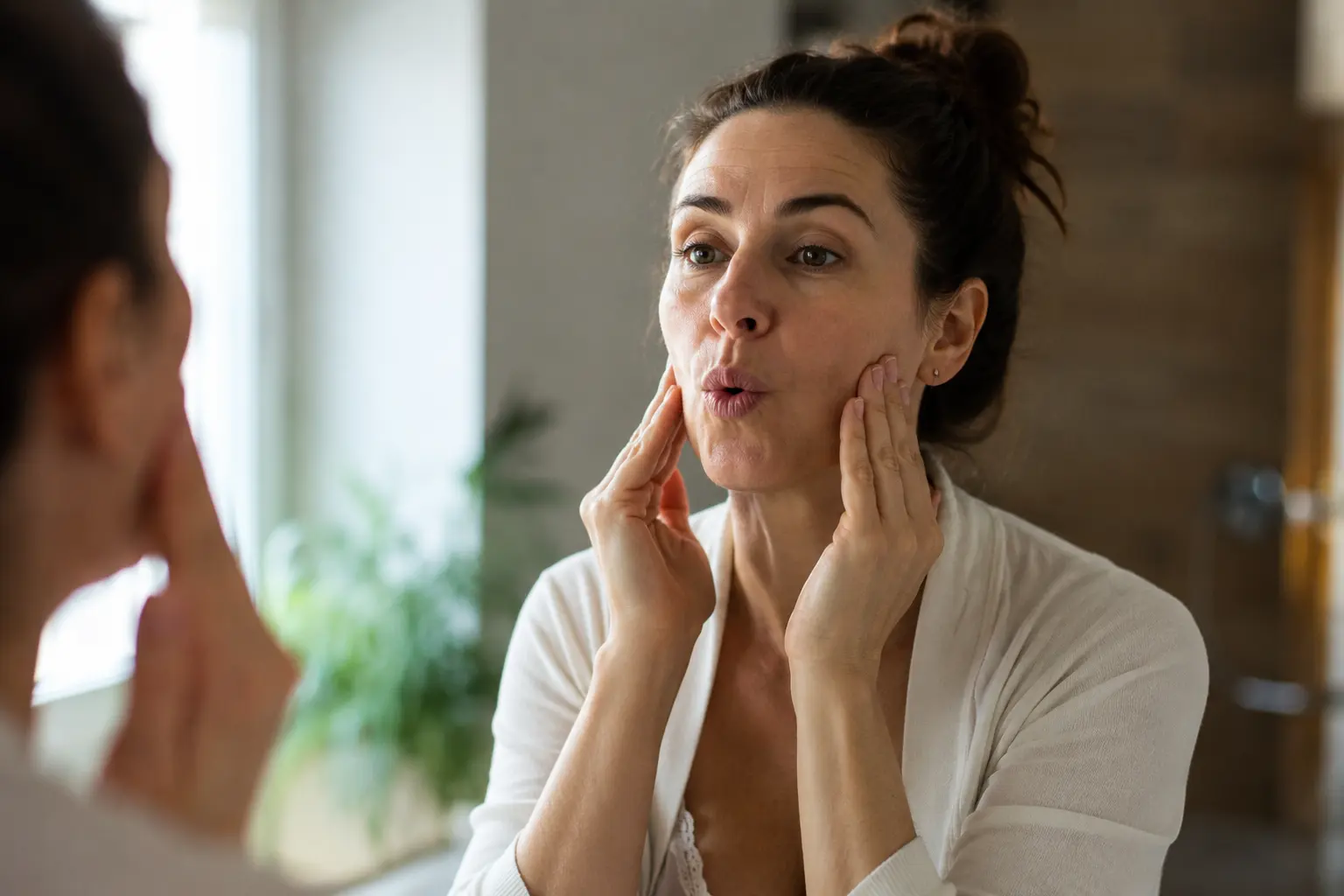
You catch your reflection and barely recognize yourself anymore, those deep lines etched across your forehead and around your eyes seeming to deepen by the week, but before you resign yourself to expensive treatments or needles, discover how face yoga wrinkle prevention is quietly transforming the way seniors approach aging skin naturally.
What is face yoga and how does it work?
Face yoga involves a series of targeted facial exercises designed to strengthen and tone the muscles beneath your skin. Think of it like a gym session for your face. Your facial muscles, much like any other muscles in your body, can weaken over time, contributing to sagging skin and the formation of wrinkles. By practicing specific movements that target the forehead, around the eyes, cheeks, and jawline, you increase blood circulation to these areas, which in turn boosts oxygen and nutrient delivery to your skin cells. This enhanced circulation stimulates collagen and elastin production, the proteins responsible for keeping skin firm and elastic. For example, a simple forehead smoothing exercise involves placing your fingers above your eyebrows and gently pushing upward while resisting with your forehead muscles. Over weeks of consistent practice, many seniors report noticing improved skin texture, reduced fine lines, and a more lifted appearance. Unlike invasive procedures, face yoga works gradually and naturally, aligning with your body’s own regenerative processes.
- Face yoga is a non-invasive, natural alternative to cosmetic surgery or injections.
- Regular practice of face yoga may lead to improved facial muscle tone and skin texture.
- This technique is believed to promote relaxation and stress reduction, contributing to a more youthful appearance.
Getting started with face yoga
Beginning a face yoga practice requires minimal setup but maximum intention. Find a quiet, well-lit space where you can focus without interruption, ideally in front of a mirror so you can monitor your form and ensure you’re engaging the correct muscles. Start by watching guided tutorials from reputable sources or consider joining a class specifically designed for seniors, as instructors can modify exercises based on your comfort level and any facial sensitivity. Begin with foundational exercises like the forehead smoother, eye squeeze, and cheek lift. The forehead smoother involves placing your index fingers horizontally above your eyebrows and gently pushing upward while your forehead resists the pressure. Hold for five seconds and release. The eye squeeze targets crow’s feet by squinting your eyes tightly for three seconds, then relaxing. The cheek lift involves smiling widely while pressing your cheeks upward with your fingertips, holding for a few seconds. Maintain proper posture throughout, keeping your spine straight and shoulders relaxed. Breathe deeply and slowly during each movement to maximize oxygen flow and promote relaxation. Many seniors find that practicing in the morning helps them feel energized, while evening practice aids relaxation before bed.
📘 Fix your day in under 2 minuteschoose where to begin:
Incorporating face yoga into your daily routine
Consistency transforms face yoga from a curious experiment into a genuine anti-aging tool. Aim to practice for at least 10 to 15 minutes daily, ideally at the same time each day to establish a sustainable habit. Many seniors integrate face yoga into their existing morning skincare routine, performing exercises right after cleansing and before applying moisturizer. Others prefer an evening session as part of their wind-down ritual. The key is choosing a time that fits naturally into your life so you’re more likely to stick with it. Document your progress by taking photos from the same angle and lighting every two weeks. These visual records often reveal subtle improvements that daily observation might miss. Over three to six months, you may notice reduced fine lines, improved skin firmness, and a more defined jawline. As you progress, you can increase the intensity or duration of exercises, or add new movements to target different facial areas. Some seniors create a simple checklist of their favorite five exercises and check them off daily, which provides both accountability and a satisfying sense of accomplishment.
Tips for maximizing the benefits of face yoga
Face yoga works best when supported by complementary lifestyle choices. Hydration is fundamental, as dehydrated skin appears more wrinkled and loses elasticity. Aim to drink at least eight glasses of water daily. Nutrition matters equally, so prioritize foods rich in antioxidants like berries, leafy greens, and fatty fish containing omega-3 fatty acids, which support skin health from within. Sun protection is non-negotiable, as UV damage accelerates collagen breakdown and deepens existing wrinkles. Use a broad-spectrum SPF 30 sunscreen daily, even on cloudy days. Gentle facial massage using natural oils such as rosehip, jojoba, or almond oil can enhance circulation and promote skin elasticity. Spend two to three minutes massaging your face using upward strokes, which encourages lymphatic drainage and reduces puffiness. Quality sleep is equally important, as your skin repairs and regenerates during rest. Aim for seven to nine hours nightly. Many seniors find that combining face yoga with these habits creates a synergistic effect, producing more noticeable results than any single practice alone. Remember that patience and consistency matter far more than intensity.
Seeking professional guidance
While face yoga is generally safe and self-directed, consulting with professionals can enhance your results and ensure you’re practicing safely. A dermatologist can assess your specific skin concerns, identify areas most prone to wrinkles, and recommend complementary treatments if needed. A certified facial yoga instructor can evaluate your technique, correct any movements that might strain your facial muscles, and design a personalized routine targeting your unique concerns. If you have sensitive skin, a history of facial tension, or specific conditions like rosacea or severe acne, professional guidance becomes especially valuable. Some seniors benefit from a combination approach, using face yoga alongside professional treatments like microdermabrasion or light chemical peels for accelerated results. Others find that face yoga alone, practiced consistently over several months, delivers the improvement they seek. Your dermatologist or instructor can also recommend skincare products that complement your face yoga routine, such as serums containing vitamin C or retinol, which further support collagen production and skin renewal. Building a support team ensures you’re on the right path and helps you stay motivated throughout your anti-aging journey.
Face yoga offers seniors a natural, non-invasive approach to reducing wrinkles through targeted facial exercises that strengthen muscles, boost circulation, and stimulate collagen production. Success requires consistent daily practice of 10 to 15 minutes, combined with supportive lifestyle habits including hydration, sun protection, proper nutrition, and quality sleep. Consulting with dermatologists or certified facial yoga instructors can personalize your routine and optimize results. With patience and dedication, many seniors experience visible improvements in skin texture, reduced fine lines, and a more lifted appearance within three to six months.
Can face yoga really reduce wrinkles?
Face yoga can help improve muscle tone and skin texture, which may reduce the appearance of fine lines and wrinkles over time. Results vary depending on individual factors such as age, skin condition, genetics, and consistency of practice. Most seniors notice visible improvements within three to six months of daily practice. Face yoga works best when combined with a healthy lifestyle, proper hydration, sun protection, and a quality skincare routine. While it may not eliminate deep wrinkles as dramatically as invasive procedures, many seniors find the gradual, natural results satisfying and sustainable long-term.
Are there any risks associated with face yoga?
When performed correctly, face yoga is generally safe for most individuals. However, improper technique or excessive strain on facial muscles can lead to discomfort, muscle fatigue, or temporary soreness. It is important to start slowly with gentle movements, follow guided instructions from reputable sources, and listen to your body’s signals during practice. If you experience pain rather than mild muscle engagement, stop the exercise and reassess your form. Seniors with facial nerve conditions, recent cosmetic procedures, or severe skin conditions should consult a healthcare provider before beginning. Avoid pulling or tugging aggressively on your skin, as this can cause irritation. When done mindfully and consistently, face yoga poses minimal risk while offering meaningful benefits.
Others also read:
Disclaimer: This article is for informational purposes only and is not a substitute for professional medical advice. Always consult a healthcare professional for personal guidance.
This guide has been prepared and reviewed by the GlobalHealthBeacon editorial team and reflects current medical research as of 2026. It provides structured, evidence-based information to support informed health decisions.
