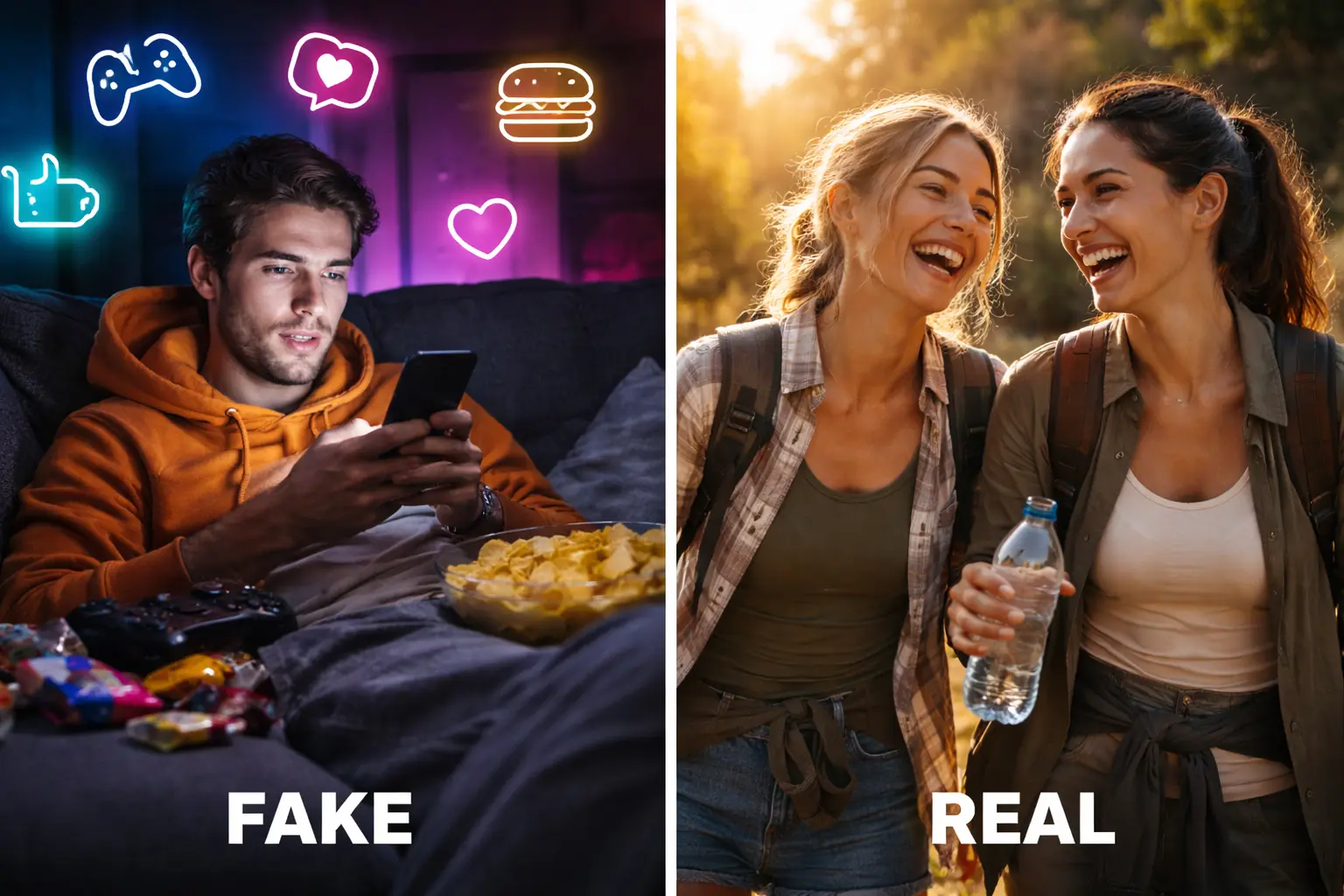
You feel unmotivated, chasing quick fixes that leave you emptier than before, while wondering if there’s a real difference between fake versus real dopamine and what it actually means for your aging brain.
Understanding dopamine: the brain’s reward system
Dopamine is a neurotransmitter, a chemical messenger in your brain that does far more than just make you feel good. Think of it as your brain’s internal communication system for motivation, pleasure, and emotional regulation. When you accomplish something meaningful, enjoy a meal with loved ones, or complete a task you’ve been putting off, your brain releases dopamine. This release reinforces the behavior, essentially telling your brain, ‘That was worth doing again.’ For seniors, understanding this system becomes increasingly important because dopamine function naturally changes with age. Your dopamine receptors, the sites where dopamine attaches to brain cells, become less sensitive over time. This means the same activity might produce less dopamine response than it did decades ago. However, knowing how this system works empowers you to work with your brain rather than against it, making intentional choices that support healthy dopamine production throughout your later years.
Fake dopamine: illusions of pleasure
Fake dopamine sounds like a modern term, but it describes something as old as human temptation. It refers to artificial or exaggerated stimulation of your brain’s reward system through substances like alcohol, certain medications misused, or compulsive behaviors such as excessive gambling or screen time. When you engage in these activities, your brain floods with dopamine, but here’s the critical difference: this surge is often disproportionate to the actual reward. Imagine taking a painkiller for a minor ache; the relief feels dramatic and immediate, but your brain adapts quickly. Over time, you need more of the substance or behavior to achieve the same effect, a process called tolerance. For seniors, this becomes particularly risky because your brain’s ability to regulate these surges diminishes with age. What starts as occasional use can spiral into dependency before you realize it. The aftermath of fake dopamine is often a crash, leaving you feeling depleted, anxious, or depressed as your dopamine levels plummet below baseline.
Real dopamine: natural rewards and balance
Real dopamine emerges from genuine, meaningful activities that align with your values and well-being. When you share a laugh with grandchildren, accomplish a gardening project, learn something new, or help a friend, your brain releases dopamine in a measured, sustainable way. These natural rewards don’t create the same tolerance effect as fake dopamine. Instead, they build resilience and satisfaction over time. A 75-year-old who joins a book club doesn’t need to read faster books each month to feel the same joy; the dopamine response remains stable because it’s tied to genuine connection and intellectual engagement. Real dopamine also comes with secondary benefits: exercise releases dopamine while simultaneously improving cardiovascular health, social interaction boosts dopamine while strengthening cognitive function, and nutritious eating supports dopamine production while nourishing your body. This synergy is what makes natural dopamine so powerful for healthy aging. Your brain recognizes these activities as genuinely rewarding, not artificially stimulating, so the dopamine response remains balanced and sustainable throughout your life.
- Eat a balanced diet rich in nutrients that support dopamine production, including foods containing tyrosine such as lean proteins, nuts, and seeds.
- Stay socially active and maintain close relationships with family and friends through regular phone calls, visits, or group activities.
- Incorporate regular physical activity into your routine to boost dopamine levels, aiming for at least 150 minutes of moderate activity weekly.
- Practice mindfulness and relaxation techniques to reduce stress and enhance dopamine function, such as meditation, deep breathing, or gentle yoga.
🔬 Science-backed benefits in 2 minuteschoose where to begin:
Effects of fake dopamine on seniors
The aging brain is particularly vulnerable to the consequences of fake dopamine because multiple protective systems decline with age. Your prefrontal cortex, the part of your brain responsible for decision-making and impulse control, naturally weakens over time. This means you’re more susceptible to the immediate gratification that fake dopamine offers, even when you intellectually understand the risks. Consider a common scenario: a senior prescribed opioids for chronic pain might find the initial relief so profound that continued use feels justified, even as dependency develops. The dopamine system becomes hijacked, prioritizing the drug over natural rewards like socializing or hobbies. Additionally, fake dopamine can accelerate cognitive decline because your brain becomes less responsive to natural rewards, essentially losing interest in activities that once brought joy. Mood disorders like depression and anxiety often follow, creating a downward spiral. The brain’s neuroplasticity, its ability to form new connections and adapt, also diminishes with age, making recovery from fake dopamine dependency slower and more challenging for older adults than for younger people.
Maintaining dopamine balance: a key to healthy aging
Healthy aging isn’t about chasing constant pleasure; it’s about sustaining a stable, balanced dopamine system that supports motivation, emotional resilience, and cognitive function. This balance becomes your foundation for independence, social engagement, and life satisfaction in your later years. The strategy is straightforward but requires consistency: prioritize natural dopamine sources while actively avoiding artificial stimulants. This means being intentional about how you spend your time and energy. A senior who commits to weekly volunteer work, maintains a garden, takes regular walks, and nurtures friendships creates multiple natural dopamine pathways. These activities compound over time, building a robust reward system that keeps motivation and mood stable. Conversely, avoiding excessive alcohol, being cautious with prescription medications, and limiting screen time protects your dopamine receptors from overstimulation. Your brain responds to these choices by maintaining healthy receptor sensitivity, meaning natural rewards continue to feel genuinely rewarding. This isn’t about perfection; it’s about understanding that every choice either supports or undermines your dopamine health, and small, consistent choices accumulate into significant long-term benefits for your brain and overall well-being.
Dopamine regulation in aging brains
Your brain at 70 operates differently than it did at 30, and dopamine regulation is one of the most significant changes. Research shows that dopamine production naturally declines by approximately 10 percent per decade after age 20, a process that accelerates in your 60s and beyond. Additionally, your dopamine receptors become less responsive, meaning your brain requires more dopamine to achieve the same motivational or pleasure response. This isn’t a disease; it’s a normal part of aging. However, understanding this change helps you adapt strategically. Some seniors interpret this shift as depression or loss of interest, when actually their brain is simply signaling differently. By staying informed about these age-related changes, you can proactively adjust your lifestyle. Engaging in novel activities, maintaining social connections, exercising regularly, and managing stress all help preserve dopamine function and receptor sensitivity. Additionally, certain nutrients like B vitamins and antioxidants support dopamine production. Some seniors find that consistent sleep, reduced inflammation through diet, and cognitive engagement through learning new skills help maintain dopamine responsiveness. The key is recognizing that your aging brain isn’t broken; it simply requires more intentional support to maintain the dopamine balance that fuels motivation, mood, and meaning.
The distinction between fake versus real dopamine reveals fundamental truths about how your brain ages and what truly sustains well-being in your later years. Fake dopamine offers immediate but hollow satisfaction that ultimately depletes your brain’s reward system, while real dopamine from meaningful activities builds lasting resilience and joy. By understanding the neuroscience behind dopamine, you’re equipped to make informed choices that protect your cognitive health, emotional stability, and independence. The path forward isn’t about chasing pleasure; it’s about nurturing genuine sources of motivation and connection that keep your brain healthy and engaged throughout your senior years.
Can artificial stimulation of dopamine lead to addiction in seniors?
Yes, artificial stimulation of dopamine through substances or compulsive behaviors can increase the risk of addiction in seniors, sometimes more rapidly than in younger adults. The aging brain’s reduced impulse control and slower recovery mechanisms make dependency more likely. Older adults should be aware of risks associated with prescription medications, alcohol, gambling, and excessive screen time, all of which can artificially overstimulate the dopamine system and lead to dependency.
How can seniors optimize their dopamine levels naturally?
Seniors can optimize dopamine levels naturally by eating protein-rich foods containing tyrosine, staying socially active through regular meaningful interactions, exercising consistently at least 150 minutes weekly, practicing stress-reduction techniques like meditation, getting adequate sleep, learning new skills, and engaging in hobbies that bring genuine satisfaction. These activities work synergistically to support dopamine production and receptor sensitivity while providing secondary health benefits.
Others also read:
Disclaimer: This article is for informational purposes only and is not a substitute for professional medical advice. Always consult a healthcare professional for personal guidance.
This article has been prepared and reviewed by the GlobalHealthBeacon editorial team and is based on current medical research and published scientific literature available in 2026. It provides structured, evidence-based information to support informed health decisions.
